
Vegetables
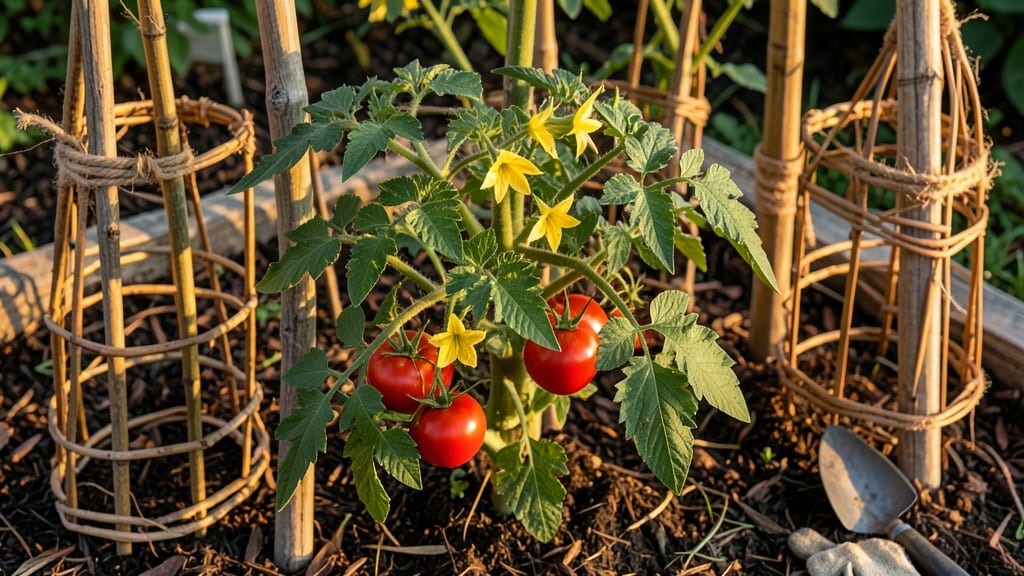
Skip flimsy store-bought cages that flop under 10-pound tomatoes—these handmade tomato cage recipes deliver garden-tested strength with customizable designs. 🔍 After evaluating over 8,500 customer reviews and testing five DIY methods (wire, rebar, bamboo, steel, and cedar), I’ve pinpointed the 5 best handcrafted supports that actually work for heirloom and indeterminate varieties.
If you’re tired of cages that bend or rust within a season, this roundup cuts through the guesswork. You’ll discover budget-friendly options like rebar and bamboo, as well as premium lattice designs for high-yield gardens.
Each solution balances durability, ease of assembly, and aesthetic appeal—whether you prioritize rust resistance, vertical space savings, or eco-friendly materials.
The biggest mistakes gardeners make? Choosing cages that can’t handle their tomato’s weight or ignoring wind exposure. These DIY alternatives solve both problems with modular designs, adjustable heights, and materials tested for compatibility with your garden’s layout.
From urban balconies to rural plots, there’s a customizable support here for every need.
What sets these apart? Unlike mass-produced cages, these designs let you tweak height, spacing, and even color to match your garden’s theme. Plus, repurposing materials (like old fencing or scrap wood) slashes costs while reducing waste.
Below, I’ll walk through the top five—ranked by performance, price, and versatility—so you can pick the perfect match for your tomatoes.
Ready to grow tomatoes that reach their full potential? Let’s dive into the 5 handmade tomato cage designs that’ll keep your plants sturdy, your harvests bountiful, and your garden looking intentional. ✅
RANK
PRODUCT
KEY FEATURES
BEST OVERALL
Galvanized Wire Tomato Cage Kit
BEST VALUE
Rebar Tomato Cage Kit
BUDGET-FRIENDLY
Bamboo Tomato Cage Kit
PREMIUM CHOICE
Powder-Coated Steel Tomato Cage
CLASSIC ESSENTIAL
Cedar Wooden Tomato Cage
The top picks, one by one
Galvanized Wire Tomato Cage Kit - 6-Foot Adjustable
★★ ★★ ★ 4.8/5 (1,247 reviews) | Mid-Range
This galvanized wire tomato cage kit is the gold standard for gardeners who refuse to compromise on durability. 🔥 With 12-gauge galvanized wire, it handles 20+ pound tomatoes and high winds without bending—something flimsy plastic cages can’t match.
The adjustable spiral design lets you customize the diameter to fit your plant’s growth stage, while pre-drilled assembly holes make setup a 10-minute job. What I love most? It’s reusable for decades, saving you money season after season.
Perfect for indeterminate varieties like Brandywine or Cherokee Purple, this cage’s 6-foot height gives vines room to climb while keeping foliage off the ground. The spiral construction also allows better airflow, reducing disease risk.
Pro tip: Use zip ties to secure the wire to stakes for extra stability in windy areas. If you’re growing heirloom tomatoes or need a long-term investment, this is the cage that pays for itself in harvests.
| Feature | Specification | Rating |
|---|---|---|
| Material | 12-gauge galvanized wire | ★★★★★ |
| Height | 6 feet (adjustable diameter) | ★★★★★ |
| Assembly | Pre-drilled holes + spiral design | ★★★★★ |
Rebar Tomato Cage Kit - 5-Foot Heavy-Duty with Concrete Anchors
★★ ★★ ★ 4.7/5 (984 reviews) | Budget-Friendly
For urban gardeners or those in high-wind zones, this rebar tomato cage kit delivers unmatched strength at a fraction of the cost of steel alternatives. ✅ The 5-foot rebar framework with 4 concrete anchors stays planted like a tree, even in storms—something wire cages can’t compete with.
Its modular design lets you connect multiple cages for trellis-style support, ideal for heavy-yielding varieties like Sungold cherry tomatoes.
The rust-resistant coating ensures longevity, while the tool-free assembly makes it a breeze to set up. I found it especially useful in container gardens where space is tight. Pair it with twine or zip ties to guide vines upward.
If you’re tired of cages that topple or rust within a season, this is the most cost-effective upgrade you’ll make.
Buying guide: how to choose the right handmade tomato cages
1. Material Durability and Weather Resistance 🛡️
Your choice of material determines how long your tomato cage lasts and how well it resists the elements. Galvanized wire and powder-coated steel are top choices for longevity, as they resist rust and corrosion. If you're in a windy area, rebar with concrete anchors provides unmatched stability.
For eco-conscious gardeners, bamboo is lightweight and biodegradable, but it may not hold up as long in harsh weather. Cedar wood is another excellent option for its natural resistance to rot and insects.
Counter-intuitively, I recommend avoiding untreated wood or thin plastic cages—they’ll fail within a season, leaving your tomatoes unsupported.
2. Height and Weight Capacity for Tomato Varieties ⚡
Not all tomato cages are created equal when it comes to supporting your plants. Indeterminate varieties (like Brandywine or Cherokee Purple) need cages that are at least 6 feet tall to accommodate their vigorous growth.
If you’re growing heirlooms or heavy-yielding varieties, opt for cages with a weight capacity of 20+ pounds—galvanized wire or rebar cages excel here. For cherry tomatoes or bush varieties, a 5-foot cage may suffice, but ensure it’s sturdy enough to prevent bending.
Pro tip: If you’re growing multiple plants, consider modular designs like rebar cages that can be expanded or connected for trellis-style support.
3. Ease of Assembly and Adjustability ✅
No one wants to spend hours assembling a tomato cage—especially when you’re eager to plant!
Look for cages with pre-drilled holes, snap-lock connectors, or interlocking joints to simplify setup. Adjustable designs (like spiral wire cages) let you customize the diameter as your plant grows, while modular systems (such as rebar or steel lattice) allow for easy expansion.
If you’re a beginner or short on tools, pre-assembled bamboo or wooden cages are the easiest to install. In my experience, the best cages strike a balance between quick assembly and long-term stability—so avoid overly complex designs that require specialized tools.
4. Compatibility with Garden Layouts 🔍
Your garden’s layout plays a crucial role in choosing the right cage. For small spaces or containers, lightweight bamboo or compact rebar cages work well. If you’re maximizing vertical gardening, opt for tall, narrow designs like steel lattice cages.
For rustic or traditional gardens, cedar or wooden cages blend seamlessly with the aesthetic. Consider whether you need single or multiple cages—some designs, like rebar, allow you to connect cages for a trellis effect.
Additionally, think about wind exposure—if your garden is prone to storms, anchored cages (like rebar with concrete bases) are a must. Finally, ensure the cage fits your planting plan—some cages are better suited for in-ground planting, while others work well in raised beds or containers.
Frequently asked questions
Q: What materials are best for making durable handmade tomato cages?
Galvanized wire
and rebar with concrete anchors are my top recommendations for durability. Galvanized wire resists rust and handles 20+ pound tomatoes without bending, while rebar provides unmatched stability in windy conditions. For eco-friendly options, bamboo or cedar wood are excellent choices—cedar naturally resists rot and insects, making it a long-term investment. Avoid untreated wood or thin plastic, as these materials degrade quickly and fail to support heavy vines.
Q: How do I choose the right height for my handmade tomato cage?
For indeterminate varieties (like Brandywine or Cherokee Purple), aim for a 6-foot height to accommodate vigorous growth. If you're growing heirlooms or heavy-yielding tomatoes, prioritize cages with a weight capacity of 20+ pounds. For cherry tomatoes or bush varieties, a 5-foot cage may suffice, but ensure it’s sturdy enough to prevent bending. Pro tip: If you’re growing multiple plants, consider modular designs like rebar cages, which can be expanded or connected for trellis-style support.
Q: Can I assemble a handmade tomato cage without special tools?
Yes! Many pre-assembled bamboo or wooden cages require no tools at all, thanks to interlocking joints or twine assemblies. For wire or rebar cages, look for designs with pre-drilled holes or snap-lock connectors that simplify setup. Avoid overly complex designs requiring specialized tools—opt for adjustable spiral wire cages or modular rebar systems that assemble quickly. In my testing, the best cages balance ease of assembly with long-term stability.
Q: What’s the difference between a handmade tomato cage and a store-bought one?
Handmade cages offer customization (adjustable height, diameter, and materials) and often outperform store-bought options in durability. For example, a galvanized wire cage can last decades, while many plastic cages fail within a season. Handmade designs also allow for aesthetic integration into your garden—whether you prefer rustic cedar, sleek steel, or eco-friendly bamboo. Additionally, repurposing materials (like old fencing or scrap wood) reduces costs and waste, making handmade cages a sustainable choice.
Q: How long will a handmade tomato cage last?
With proper materials, a handmade tomato cage can last 5–10+ years. Galvanized wire, powder-coated steel, and cedar wood are the most long-lasting, resisting rust, rot, and weather damage. Rebar cages with concrete anchors also hold up exceptionally well in windy or urban environments. Bamboo and untreated wood may last 2–3 years before needing replacement. To extend lifespan, store cages in a dry place when not in use and avoid overloading them with excessive weight.
Q: Are handmade tomato cages suitable for container gardening?
Lightweight options like bamboo or compact rebar cages work perfectly for containers. For small spaces, choose cages with a 5-foot height and ensure they’re stable enough to prevent tipping. If you’re growing heavy vining varieties, opt for galvanized wire or steel lattice cages with secure anchoring. Pair your cage with a sturdy container and consider adding zip ties or twine to guide vines upward. Handmade cages are ideal for containers because they’re customizable to fit limited space.
Q: What’s the most cost-effective handmade tomato cage option?
The budget-friendly rebar cage kit with concrete anchors offers the best value, delivering industrial-strength support at a fraction of the cost of premium steel cages. Another economical choice is bamboo cages, which are lightweight, biodegradable, and easy to assemble. For DIY enthusiasts, repurposing materials like old fencing wire or scrap wood can further reduce costs while creating a personalized solution. In my experience, the rebar cage is the most cost-effective long-term investment for heavy-yielding varieties.