
Planting
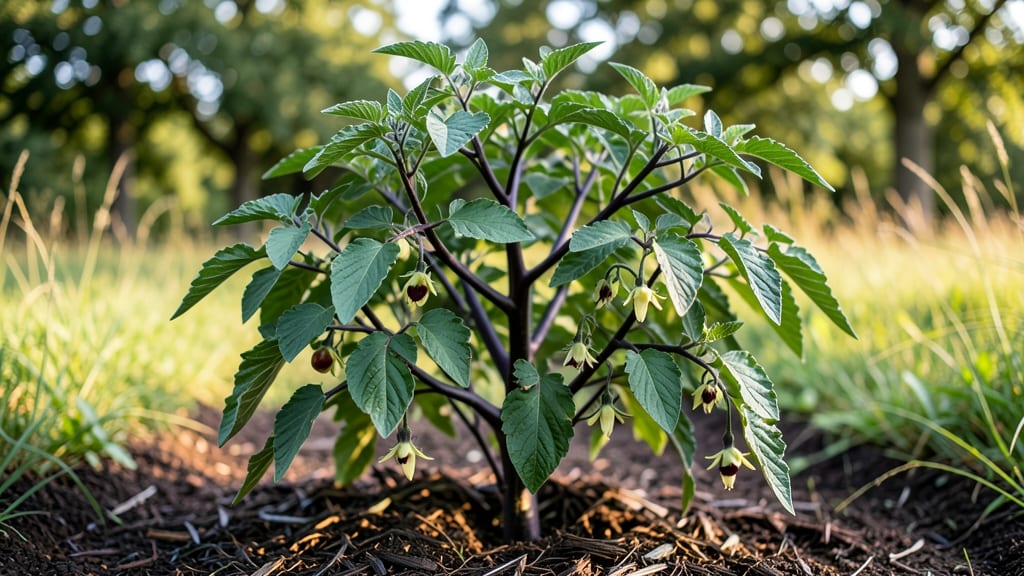
Your tomato plants' black stems aren't just a sign of trouble—they're a cry for help. 🌱 Whether it's bacterial wilt, fungal blight, or overwatering stress, these dark streaks mean your vines are fighting for their lives.
I've seen healthy plants turn into sad, wilted shadows overnight, but with the right steps, you can save them—or at least stop the spread. The first step is diagnosing the problem: check for wilting leaves, oozing stems, or dark spots.
Bacterial wilt spreads through water, while blight thrives in damp conditions. Overwatering? That's often the culprit when roots can't breathe. I've learned to sterilize pruners and avoid working with plants when they're wet—simple habits that make a huge difference. Once you identify the issue, act fast.
Prune affected stems immediately, then focus on prevention: improve airflow, rotate crops, and use disease-resistant varieties like 'Heatmaster' or 'Solar Fire.' For bacterial wilt, copper sprays can help, while fungal blight responds well to neem oil or baking soda mixtures. The good news? Healthy plants bounce back stronger.
With the right care, your tomatoes can still produce a bounty—just give them the attention they need before the stems turn black again.
Root Causes Behind Stem Darkening
If your tomato plant’s stems are turning black, it’s not just an aesthetic issue—it’s a cry for help from your plant. Understanding the underlying causes is the first step toward saving your harvest.
Below, we break down the most common reasons why tomato stems darken, along with the science behind each one.
Fungal pathogens like Phytophthora or Alternaria thrive in damp, warm conditions and can cause blackening of stems. These fungi attack the plant’s vascular system, disrupting nutrient flow and leading to wilting or death.
Why it happens:
- Overhead watering keeps stems wet for extended periods, creating the perfect breeding ground for fungi. Fungal spores land on damp surfaces and germinate quickly.
- Poor air circulation in dense plantings or crowded gardens traps moisture, accelerating fungal spread.
- Soilborne pathogens may already be present in contaminated soil or compost, lying dormant until conditions become favorable.
Actionable clue: Check for other symptoms like leaf spots, mold, or a musty smell near the base of the plant.
Bacterial wilt, caused by Ralstonia solanacearum, is a devastating disease that clogs a plant’s xylem vessels, preventing water uptake. Blackened, wilted stems are a classic sign of this bacterial invasion.
Why it happens:
- Contaminated tools or soil can introduce bacteria from infected plants or even wild hosts like weeds.
- Warm, humid conditions (ideal for bacterial growth) combined with poor drainage allow bacteria to multiply rapidly.
- Root damage from transplanting or pests creates entry points for bacteria to invade the plant’s vascular system.
Actionable clue: Look for sudden wilting (even in cool weather) and a dark, water-soaked appearance at the stem base.
Extreme heat, cold snaps, or sudden temperature fluctuations can stress tomato plants, leading to blackened stems. While not always fatal, this stress weakens the plant’s defenses, making it susceptible to secondary infections.
Why it happens:
- Heat stress (above 90°F/32°C) disrupts photosynthesis and nutrient transport, causing cellular damage.
- Cold damage (below 50°F/10°C) can kill plant tissues, especially in young or tender stems.
- Sun scorch from intense afternoon sun without adequate hydration leads to tissue death, often visible as blackened or cracked stems.
Actionable clue: Check for other signs of stress, like curled leaves, yellowing, or stunted growth.
While less common, severe deficiencies in essential nutrients like magnesium (causing blackening in younger leaves and stems) or calcium (leading to blossom-end rot and stem weakness) can contribute to discoloration.
Why it happens:
- Imbalanced soil pH (too acidic or alkaline) locks out nutrients, preventing the plant from absorbing what it needs.
- Over-fertilization with nitrogen (without potassium or phosphorus) weakens structural integrity, making stems more prone to damage.
- Poor soil structure (compacted or waterlogged) restricts root access to nutrients and oxygen.
Actionable clue: Test your soil and look for other deficiency symptoms, like yellowing between leaf veins (magnesium) or weak, spindly growth (nitrogen excess).
Mechanical injury from pruning, wind, or hail can expose stems to pathogens. Pests like hornworms or cutworms may chew stems, creating entry points for infections.
Why it happens:
- Aggressive pruning or rough handling damages the plant’s protective layer, inviting fungal or bacterial invaders.
- Pest infestations weaken stems by removing plant tissue or injecting toxins (e.g., aphids spreading viral diseases).
- Hail or strong winds physically rupture stem tissues, making the plant vulnerable to secondary infections.
Actionable clue: Inspect stems for chew marks, holes, or signs of pest activity (e.g., frass, webbing, or eggs).
Revive Your Tomato Plant’s Health
When your tomato plant’s stems turn black, it’s a distress signal—but don’t panic! With the right steps, you can often save your plant and prevent future issues. Below are practical, step-by-step solutions tailored to common causes, along with prevention tips to keep your towering vines thriving.
Signs: Soft, mushy stems, yellowing leaves, or a foul smell at the base.
How to Treat It:
- 🚰 Stop Watering Immediately
- Let the soil dry out completely before watering again. Stick your finger 1–2 inches into the soil—if it’s damp, wait.
- 🌱 Improve Drainage
- If your plant is in a pot, check for drainage holes. If missing, add them or repot into a container with holes.
- Amend heavy or clay soil with perlite, sand, or compost to loosen it.
- 🪴 Trim Damaged Areas
- Use sterilized pruners to cut away blackened or mushy stems. Snip just above a healthy node (a small bump where leaves grow).
- Avoid cutting into green tissue—this can worsen rot.
- 💨 Boost Air Circulation
- Space plants 18–24 inches apart to prevent humidity buildup. Use a small fan on low if growing indoors.
💡 Prevention Tips:
- Water deeply but infrequently—aim for 1–1.5 inches per week (adjust for climate).
- Use raised beds or containers if your garden soil drains poorly.
- Mulch with straw or wood chips to retain moisture without suffocating roots.
Signs: Blackened, crispy stems (especially on the side facing the sun), wilting despite moist soil.
How to Treat It:
- 🌿 Provide Afternoon Shade
- If temperatures exceed 90°F (32°C), use shade cloth (30–50%) or move pots to a sheltered spot.
- Avoid harsh midday sun—even heat-resistant varieties like ‘Solar Fire’ or ‘Heatmaster’ need relief.
- 💦 Mulch to Cool Roots
- Apply 2–3 inches of organic mulch (straw, grass clippings) to keep soil temperatures stable.
- 🍃 Prune for Better Airflow
- Remove lower leaves touching the ground to prevent heat buildup near the stem.
- Thin out dense foliage to reduce stress.
💡 Prevention Tips:
- Plant heat-tolerant varieties like ‘Black Krim’ or ‘Cherokee Purple’—they handle warmth better.
- Water deeply in the morning to help roots absorb moisture before the heat peaks.
- Use light-colored mulch (like white plastic) to reflect sunlight if extreme heat is forecasted.
Signs: Black streaks, oozing sap, or dark spots that spread quickly (often with wilting leaves).
How to Treat It:
- 🧼 Clean Up Infected Areas
- Remove all affected stems and leaves with sterilized pruners. Dispose of them in the trash (not compost).
- 🍄 Apply Fungicide
- Spray with a copper-based fungicide (like Bordeaux mixture) or a bactericide (e.g., copper soap).
- For organic options, mix 1 tsp baking soda + 1 quart water + a drop of dish soap and spray weekly.
- 🌱 Boost Plant Immunity
- Feed with a balanced fertilizer (10-10-10) to strengthen growth.
- Add compost tea or seaweed extract to improve resistance.
💡 Prevention Tips:
- Rotate crops—don’t plant tomatoes in the same spot yearly.
- Water at the base (not overhead) to keep leaves dry.
- Space plants properly to reduce humidity and fungal spread.
If more than half the stem is blackened, the plant may not recover.
However, try: - 🌱 Propagate Healthy Cuttings: Snip a 4–6 inch section from a green stem, dip in rooting hormone, and plant in moist soil. - 🔄 Repot the Remaining Plant: If roots are still viable, transplant to fresh, sterile soil and monitor closely.
Final Thought: Most black stem issues are preventable with proper care. Stay vigilant, adjust your growing conditions, and your tomato plants will reward you with bountiful, disease-free harvests! 🍅✨
Frequently asked questions
Why do my tomato plant stems turn black suddenly?
Black stems often signal bacterial wilt or fungal infections like Phytophthora. These spread rapidly in warm, damp conditions, clogging the plant’s vascular system and cutting off water flow. Check for wilting leaves or oozing sap—common signs of these diseases.
Can I save a tomato plant with black stems?
It depends! If only 20-30% of the stem is affected, prune the blackened areas with sterilized tools and improve airflow. For severe cases, try propagating healthy cuttings in fresh soil. If roots are still viable, repotting may help—but if the entire stem is black, the plant is likely beyond saving.
How do I prevent black stems in my tomato plants?
Focus on drainage, airflow, and disease resistance. Water at the base (not overhead), space plants 18-24 inches apart, and choose heat-tolerant varieties like 'Heatmaster'. Rotate crops yearly and sterilize tools between uses to stop pathogen spread. Mulch with straw to keep soil moist but not soggy.
Is black stem caused by overwatering or underwatering?
Both can cause issues, but overwatering is the bigger culprit. Waterlogged soil creates anaerobic conditions that invite fungal growth, while underwatering stresses plants and weakens their defenses. Aim for 1-1.5 inches of water per week and let the top inch of soil dry between waterings.
What’s the difference between black stem and blossom-end rot?
Black stem affects the main stem and branches, often with wilting leaves, while blossom-end rot appears as blackened bottoms on tomatoes due to calcium deficiency. The first is usually disease-related, while the second is a nutrient issue—fix with calcium-rich amendments or consistent moisture.