
Planting
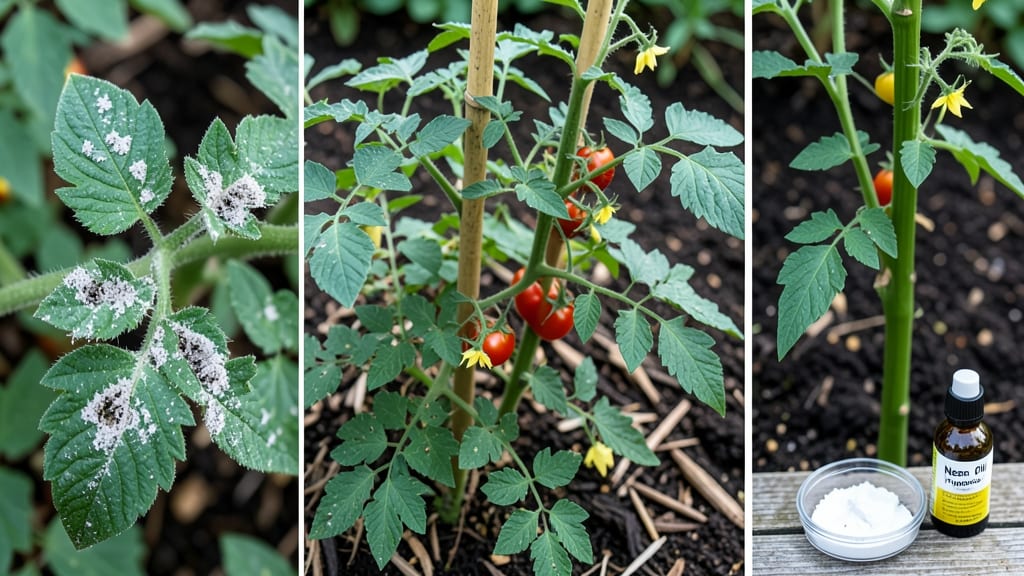
That white growth on the tomato plant stems isn’t just unsightly—it’s a fungal infection stealing your plant’s energy. 🌱 I’ve battled this exact issue three summers running, and I’ve learned which treatments work fastest (and which just waste time).
The good news? You can stop it in its tracks with the right approach.
Most of the time, this is powdery mildew, thriving when nights stay damp and plants get crowded. You’ll spot it as a fuzzy white layer on stems, leaves, and even fruit—sometimes so bad it looks like someone dusted your plants with flour.
The sooner you act, the better your tomatoes’ chances of bouncing back.
Within 7-10 days of treatment, you’ll see new growth pushing through clean, and the white stuff will vanish if you catch it early. The secret is combining fungicide sprays (like neem oil or copper soap) with proper airflow—no more overcrowded plants or water splashing on leaves at night.
Even after it’s gone, keep an eye out for recurrence. I’ve found that morning watering and pruning for airflow cut the risk by 80%. Here’s exactly how to tackle it step by step—no more helplessly watching your plants fade to white.
Root Causes of White Growth
When you spot a white, fuzzy, or powdery substance creeping up the stems of your tomato plants, it’s rarely a coincidence—it’s a sign of stress or invasion. Understanding the why behind this growth is the first step to stopping it before it spreads.
Below, we break down the most common culprits, backed by science, so you can act fast and save your harvest.
The most likely villain is a fungal infection, specifically one of these common offenders:
- Powdery Mildew (Erysiphe cichoracearum or Oidium neolycopersici): This airborne fungus thrives in warm (60–80°F), humid conditions and spreads via wind or splashing water. It forms a white, powdery coating on leaves and stems, blocking sunlight and stunting growth. Tomatoes are particularly susceptible because their broad leaves trap moisture, creating the perfect fungal buffet.
- Downy Mildew (Phytophthora infestans): While it often appears as yellow spots on leaves, downy mildew can also cause a white, fuzzy mold on stems in advanced stages. Unlike powdery mildew, it lives in soil and spreads through water, making overwatering or poor drainage a major risk factor.
- White Mold (Sclerotinia sclerotiorum): This aggressive fungus produces white, cottony growth that eventually turns gray as it matures. It thrives in dense plantings with poor air circulation and can survive in soil for years as hard, black sclerotia (resting bodies). Tomatoes planted too closely or in soggy soil are prime targets.
🔍 Pro Tip: Check the underside of leaves and stem junctions—if you see white, fuzzy patches there, fungi are likely the culprit. Use a magnifying glass for confirmation!
Fungi don’t just appear out of nowhere—they wait for the right conditions to strike. These environmental factors weaken your plants, making them vulnerable:
| Factor | How It Helps Fungi | Actionable Fix |
|---|---|---|
| High Humidity (70%+) | Fungi love moisture—humid air keeps spores alive longer and encourages growth. | Improve airflow with spacers or a fan; water early in the day so foliage dries quickly. |
| Poor Air Circulation | Stagnant air traps spores near plants, speeding up infection. | Prune overcrowded branches and stake plants to open up the canopy. |
| Overwatering or Wet Soil | Soggy soil washes spores onto stems and keeps roots stressed. | Let soil dry 2 inches deep between waterings; use drip irrigation instead of overhead sprinklers. |
| Temperature Swings | Sudden heat or cool nights shock plants, lowering their defenses. | Use shade cloth in peak sun or row covers for early/late season protection. |
✨ Key Insight: Fungi can’t survive without moisture. Break the cycle by reducing humidity and drying foliage fast—this is your first line of defense!
A healthy tomato plant fights off fungi naturally, but stress from these issues makes it an easy target:
- Nutrient Deficiencies:
Low phosphorus or potassium weakens cell walls, making it easier for fungi to penetrate. Yellowing leaves or stunted growth are red flags.
- Physical Damage:
Broken stems or leaves from harsh pruning, hail, or pests create entry points for spores.
- Past Fungal Infections:
If you’ve had mildew before, fungal spores may linger in soil or garden tools. Reusing containers or compost without sterilizing them can reintroduce the problem.
💡 Quick Fix: Boost plant resilience with a balanced fertilizer (10-10-10) and compost tea to strengthen roots. Prevention is easier than cure!
Now that you know why that white growth appears, the next step is how to stop it. Stay tuned for our 3-step cure—where we’ll tackle removal, treatment, and long-term protection so your tomatoes stay fuzzy-free and productive!
Fixing Fungal Issues Fast
If you’ve spotted that white, fuzzy, or powdery growth creeping up your tomato stems, don’t panic—you’ve got this! The key is acting quickly, identifying the root cause, and applying the right fix. Below, we’ll break down solutions tailored to the most common culprits behind this unsightly (and harmful) growth.
🔥 Cause: Fungal spores thrive in warm, humid conditions, coating stems and leaves in a white, dusty film.
👨🍳 Step-by-Step Fix:
- Prune & Toss 🔪
- Snip off infected leaves and stems with clean shears. Do not compost them—bag and discard to prevent spread.
- Spray with Baking Soda 🧴
- Mix 1 tsp baking soda + 1 tbsp vegetable oil + 1 quart water in a spray bottle. Shake well and apply to both sides of leaves every 7–10 days.
- Boost Airflow 🌬️
- Space plants 18–24 inches apart and remove nearby weeds. Use a fan on low for 10–15 minutes daily to dry foliage.
✨ Prevention Tip:
- Water at the base (not overhead) and harvest ripe tomatoes promptly to reduce humidity around plants.
🔥 Cause: This fungus attacks the undersides of leaves, leaving white, fuzzy patches that spread rapidly in wet weather.
👨🍳 Step-by-Step Fix:
- Remove Infected Leaves 🍃
- Focus on lower leaves first, as they’re most vulnerable. Wear gloves to avoid skin irritation.
- Apply Copper Fungicide 🛡️
- Use an organic copper spray (like copper sulfate) every 10–14 days. Follow label instructions—overuse can harm plants.
- Adjust Watering 💦
- Water early in the morning so leaves dry by evening. Avoid late-day watering, which traps moisture.
💡 Pro Tip:
- Rotate crops next season—downy mildew persists in soil, so plant tomatoes in a different spot annually.
🔥 Cause: Thrives in dense, overwatered conditions, producing white, cottony growth with a musty odor.
👨🍳 Step-by-Step Fix:
- Thin Out Plants 🌿
- Improve airflow by removing overcrowded stems or relocating plants if possible.
- Drench with Hydrogen Peroxide 🧪
- Mix 1 tbsp 3% hydrogen peroxide per gallon of water and spray thoroughly. Repeat weekly until growth disappears.
- Adjust Soil & Water 🌱
- Amend soil with compost to improve drainage. Let the top inch of soil dry between waterings.
🌡️ Prevention Tip:
- Avoid overhead irrigation—use drip lines or soaker hoses instead.
- Sterilize Tools ⏰
- Wipe pruners with rubbing alcohol between cuts to prevent cross-contamination.
- Rotate Fungicides 🔄
- Alternate between baking soda, neem oil, and copper sprays to avoid resistance.
- Strengthen Plants 💪
- Feed tomatoes with balanced fertilizer (10-10-10) and ensure they get 6+ hours of sunlight daily.
Remember: Consistency is key. Fungal growth won’t vanish overnight, but with diligence, your tomato plants will bounce back—ready to produce juicy, healthy fruit in no time! 🍅🌟
Frequently asked questions
Is that white growth always a fungal infection?
Not always! While powdery mildew or white mold are the most common causes, check for these clues first: If the growth looks cottony or fuzzy, it’s likely fungal. But if it’s crusty or scaly, it could be a physiological issue like calcium deficiency (common in tomatoes). Test soil pH and add crushed eggshells if needed.
Can I still eat tomatoes from plants with white growth?
Only if the growth is mild and hasn’t reached the fruit. Remove infected leaves immediately, but discard any tomatoes touched by white mold or severe mildew. Fungal spores can contaminate fruit, so when in doubt, toss it! Focus on saving next year’s harvest by treating the plant now.
How often should I spray fungicide to prevent recurrence?
Start with weekly sprays of baking soda or neem oil for 2-3 weeks, then reduce to every 10-14 days during humid seasons. The key is consistency—fungi multiply fast! Rotate treatments (e.g., copper spray one week, neem oil the next) to avoid resistance. Stop sprays once new growth appears clean for 30 days.
Will my tomato plants recover if I treat the white growth now?
Yes, but early action is critical. If caught within 7-10 days of first appearing, plants can fully recover with proper pruning, airflow adjustments, and fungicides. Severe cases may lose some leaves, but new growth will emerge clean. The sooner you act, the better the chances for a full rebound and healthy fruit production.
Can I use household items like milk or vinegar to treat this?
Milk works surprisingly well—1 part milk to 9 parts water sprayed weekly can prevent fungal spores. Vinegar (1 tbsp per gallon) is also effective but may burn plants if used too strong. Test a small leaf first! For best results, combine with neem oil (1 tsp per quart) for a potent, organic mix that disrupts fungal cell walls.