
Companion Plants
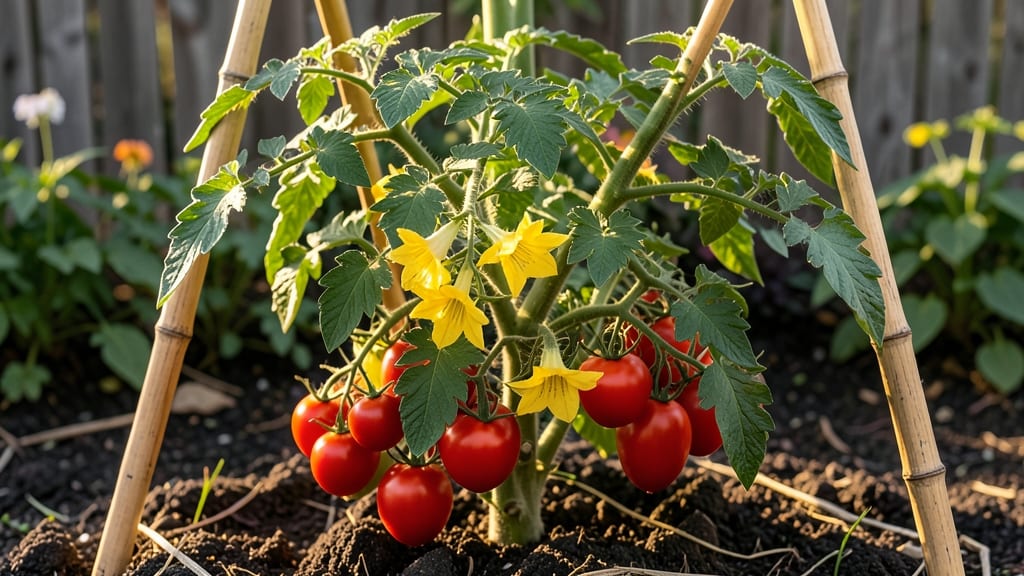
Growing bodacious tomato plants that reach 12 feet tall and thrive in heat isn’t just possible—it’s my secret weapon for summer harvests that put store-bought tomatoes to shame. 🌱 These aren’t your average backyard plants; they’re the kind that make neighbors ask for cuttings and turn every slice into a showstopper.
The key? Picking the right varieties, giving them room to stretch, and treating them like the heavyweights they are. Start with heirlooms like Brandywine or hybrids like Arkansas Traveler—both known for their heat tolerance and massive fruit production.
Plant them in well-draining soil with a cage or trellis (yes, they’ll need it), and water deep once a week rather than daily shallow drinks. Prune aggressively to focus energy on fruit, not foliage, and feed with balanced fertilizer every 3-4 weeks. The payoff?
Plants that keep producing through September, even when temps hit 90°F. By mid-summer, you’ll be snapping photos of 6-pound beefsteaks and purple-hued giants that taste like nothing from the grocery store. The trick is patience—these plants take time to mature, but the results are worth every extra day.
And if pests show up? A neem oil spray keeps them at bay without harming the plant’s vigor. Works for container growers (just use a 5-gallon pot and prune harder) and small spaces—just scale the trellis. Here’s how to keep them thriving all season long.
📚 In This Guide
- What you need
- Instructions
- Tips and common mistakes
- Wrapping up and next steps
What you need
- ● Tomato Seeds or Seedlings: Heat-resistant varieties like ‘Heatmaster,’ ‘Solar Fire,’ or ‘Arkansas Traveler’ (3–5 plants for optimal yield).
- ● High-Quality Potting Mix: 10–15 gallons of well-draining, organic-rich soil (or a 50/50 blend of compost and coconut coir).
- ● Containers or Raised Beds: For containers: 5-gallon fabric grow bags (2–3 per plant) or 15-gallon pots (1 per plant).
- ● For in-ground: Raised beds (4’x8’) with at least 12” depth.
- ● Fertilizer: Balanced organic fertilizer (e.g., 5-5-5 or 10-10-10, 1 lb per 10 sq ft).
- ● Slow-release tomato fertilizer (e.g., Osmocote, 2 tbsp per plant at planting).
- ● Mulch: Straw or black plastic mulch (1–2 inches thick) to retain moisture and regulate soil temp.
- ● Garden Gloves (heavy-duty for handling plants and soil).
- ● Trowel or Transplant Spade (for digging and planting).
- ● Watering Can or Drip Irrigation System (with soaker hoses for deep watering).
- ● Stakes or Cages: 8–10 ft bamboo stakes (2–3 per plant) or
- ● Heavy-duty tomato cages (5’x5’ or larger).
- ● Pruning Shears (for trimming suckers and dead leaves).
- ● pH Test Kit (to ensure soil pH is 6.0–6.8).
- ● Sun Hat & Sunscreen (because heat-proof tomatoes mean serious sun exposure!).
- ● Shade Cloth (30–50% coverage for seedlings or extreme heat days).
- ● Epsom Salt (1 tbsp per gallon of water, every 2 weeks for magnesium boost).
- ● Companion Plants: Basil, marigolds, or nasturtiums to repel pests and boost growth.
- ● Thermometer (to monitor soil temp—ideal range: 70–90°F).
- ● Garden Journal (to track progress, watering, and fertilizer schedules!).
Step-by-step instructions for growing heat-proof tomato giants
Here's how to coax those towering, sun-resistant tomato monsters from seed to sky-scraping glory.
🌱 Step 1: Select and Prepare Heat-Tolerant Seedlings
Start with varieties bred for heat, like 'Solar Fire' or 'Heatmaster'. I always look for seeds labeled "determinate" for bushier growth or "indeterminate" for continuous fruiting. Soak seeds in lukewarm water for 12 hours—this softens the outer coating and speeds germination. Use a seedling heat mat set to 75-85°F for consistent warmth.
Plant seeds ¼ inch deep in biodegradable peat pots filled with sterile seed-starting mix. The pots break down when transplanting, so roots stay undisturbed. Keep the soil moist but never soggy—you'll know it's right when the surface looks slightly damp but not glistening. Place pots in a humidity dome until sprouts appear, usually in 5-10 days.
☀️ Step 2: Harden Off and Transplant for Maximum Heat Resistance
Two weeks before your last frost, begin hardening off seedlings by placing them outside in partial shade for 1-2 hours daily. Gradually increase exposure over 10-14 daysovercast afternoon—less stress on the plants.
Choose a south-facing location with 6+ hours of direct sun. Bury seedlings deeper than the root ball—up to the first true leaves—to encourage strong root systems. Space plants 3-4 feet apart for air circulation, which prevents fungal diseases in heat. Water deeply at the base immediately after transplanting.
💧 Step 3: Master Watering for Heat-Proof Growth
Deep watering is key—1-2 inches per week, delivered directly to the soil, not the leaves. I use a soaker hose set to run for 30-45 minutes twice weekly. Water in the early morning so foliage dries quickly, reducing disease risk. Mulch with 2-3 inches of straw to retain moisture and keep roots cool.
Watch for wilting—it's normal during heatwaves, but the plants should recover by evening. If they don't, they're thirsty. Avoid overhead watering; wet leaves in hot sun act like magnifying glasses, burning foliage. You'll see strong, glossy leaves as a sign your watering routine is working.
✂️ Step 4: Prune and Support for Towering Growth
Install sturdy cages or stakes at planting to support the vines as they grow. I use 5-foot bamboo stakes tied with soft cloth strips—never wire, which can cut into stems. Prune suckers (the shoots that grow between the stem and branches) to direct energy upward. Remove any leaves touching the soil to prevent disease.
Pinch off the first flower cluster if your plants are small—this encourages bushier growth. Once established, indeterminate varieties will keep producing flowers and fruit all season. You'll know you're on track when vines reach 6 feet tall by midsummer, with healthy green leaves and no signs of stress.
🌿 Step 5: Fertilize and Protect for Peak Performance
Feed plants every 3-4 weeks with a balanced, slow-release fertilizer (10-10-10). I also add compost tea monthly for extra nutrients. In extreme heat (95°F+), provide shade cloth (30-50%) during peak afternoon sun to prevent leaf scorch. Remove any yellow or diseased leaves immediately to keep the plant healthy.
Watch for pests like hornworms or aphids—handpick larger insects and spray with neem oil for smaller ones. A healthy plant will bounce back quickly. By late summer, you'll have 12-foot-tall monsters loaded with fruit, proving that heat doesn't have to stop your tomato dreams.
Tips & tricks for growing towering, sun-resistant tomatoes
Here's what I learned after growing 12-foot tomato monsters—these tricks make all the difference between wimpy plants and sky-scraping giants.
Germination Boost: The 12-hour soak in lukewarm water is non-negotiable for breaking seed dormancy. I like to use a spray bottle to mist the seeds after soaking to maintain consistent moisture during those critical first 10 days in the humidity dome. This creates the perfect microclimate for sprouts to emerge faster and more uniformly.
Heat Mat Hack: Setting your seedling heat mat to 75-85°F is crucial, but I've found that placing a small fan on low circulation near the tray prevents mold growth while maintaining warmth. The gentle airflow mimics natural conditions and keeps seedlings sturdy rather than leggy. Just avoid direct drafts—you want warmth, not windburn.
Transplanting Timing: That overcast afternoon transplant is key for minimizing shock. I've learned to check the weather forecast a week ahead and schedule transplanting for a day with light cloud cover. Even a partial cloud cover reduces stress on the seedlings, giving them the best chance to establish roots quickly. The deeper planting technique (up to first true leaves) is what creates those monster root systems.
Watering Watch: The 30-45 minute soaker hose sessions might seem long, but they're essential for deep watering. I've found that setting a timer and stepping away lets the water penetrate deeply without creating surface runoff. The early morning timing is critical—it gives leaves all day to dry, preventing fungal issues that can cripple your towering ambitions.
Pro Tips for Bodacious Tomato Plants
- Here's what I learned after growing 12-foot tomato monsters—these tricks make all the difference between wimpy plants and sky-scraping giants.
- Germination Boost: The 12-hour soak in lukewarm water is non-negotiable for breaking seed dormancy.
- Heat Mat Hack: Setting your seedling heat mat to 75-85°F is crucial, but I've found that placing a small fan on low circulation near the tray prevents mold growth while maintaining warmth.
Frequently asked questions
Got questions about growing bodacious tomato plants?
You’re not alone! These heat-proof giants are thrilling but can raise a few eyebrows—especially for first-time growers. Here are some of the most common questions (and answers) to help you cultivate confidence in your 12-foot tomato dreams.
How hot can bodacious tomatoes handle before wilting?
Bodacious tomatoes are bred to thrive in 90°F+ heat with proper care. However, extreme heat (above 100°F) can stress plants—even these heat-lovers! Provide afternoon shade, mulch heavily, and water deeply at the base (not overhead) to keep roots cool. Pro tip: Drip irrigation or soaker hoses work best!
When’s the best time to plant bodacious tomato seeds?
Start seeds indoors 6–8 weeks before your last frost date (they take longer to germinate than standard varieties). Transplant seedlings after soil temps hit 60°F+—these giants need warmth to stretch their legs! If your growing season is short, opt for transplants instead of seeds for a head start.
Do bodacious tomatoes need special pruning or staking?
Absolutely!
These vines can reach 12+ feet, so use heavy-duty stakes or cages (8+ ft tall) to support their weight. Prune aggressively to remove suckers (side shoots) and improve airflow—focus on 3–5 main stems for maximum fruit production. Warning: Over-pruning late in the season can reduce yield.
What pests or diseases should I watch for with bodacious tomatoes?
Heat-loving doesn’t mean disease-proof! Watch for blossom end rot (calcium deficiency), hornworms (voracious leaf munchers), and early blight (brown spots on leaves). Preventative tips:
- Rotate crops yearly to avoid soil-borne diseases.
- Use neem oil or row covers for pests.
- Mulch with straw to deter soil fungi.
If issues arise, act fast—these giants need all their energy for those massive fruits!
Can I grow bodacious tomatoes in containers?
Technically yes, but it’s challenging due to their size. Choose a 5-gallon+ container with drainage, and use a lightweight potting mix (add perlite for aeration). Expect smaller yields and more frequent watering. For best results, grow in the ground or a large raised bed—these tomatoes love to stretch!
How do I know when bodacious tomatoes are ripe?
Look for deep, even color (red, yellow, or purple, depending on variety), a slight give when gently squeezed, and a fragrant aroma at the stem. Pro tip: Heat can slow ripening—pick green tomatoes early and ripen indoors with a banana or apple nearby (ethylene gas speeds it up!).
Wrapping up and next steps
Growing bodacious tomato plants is a rewarding adventure that brings bold flavors and stunning yields to your garden! 🌱 With the right companion plants, heat-resistant varieties, and a dash of patience, you’ll soon be harvesting monster-sized tomatoes that outshine the rest.
Whether you’re a seasoned gardener or just starting out, these tips will set you up for success.
Ready to take the next step? Start small—plant a few this season, experiment with companions like basil or marigolds, and watch your garden thrive. Before you know it, you’ll be the talk of the neighborhood with your 12-foot giants! 🍅✨