
Plants
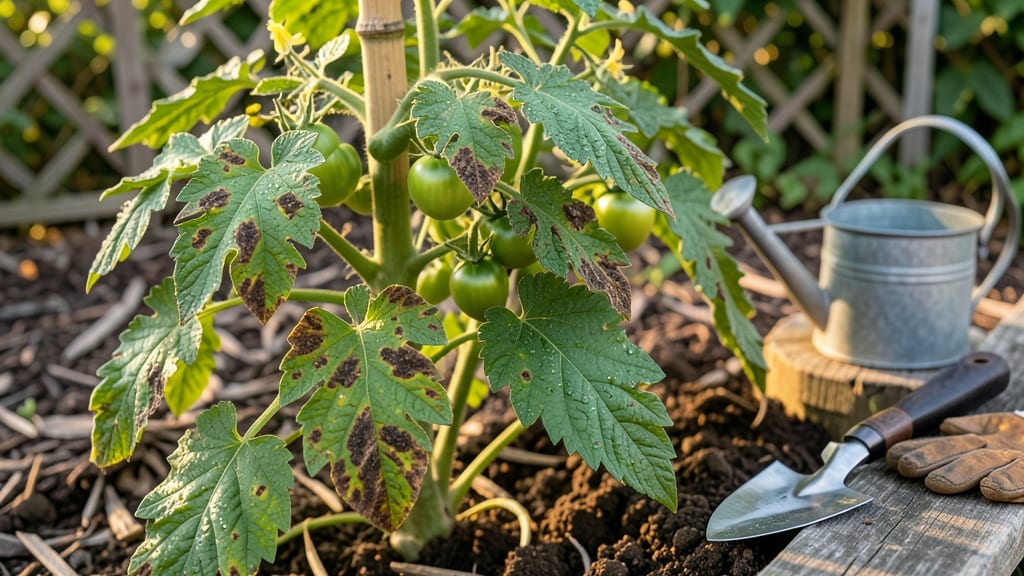
If your tomato plants have brown spots, you're likely dealing with early blight (dry, brown patches with concentric rings on lower leaves) or late blight (greasy, dark spots that spread rapidly with white mold). Remove infected foliage immediately and increase plant spacing to improve air circulation and stop fungal spread.
Brown spots on tomato leaves aren't just cosmetic—they're a clear sign your plants are fighting fungal infections. 🌱 Early blight thrives in warm, humid conditions, starting at the bottom and working upward, while late blight spreads aggressively in cool, wet weather, often ruining entire crops within days.
The key difference lies in their progression: early blight moves slowly with defined brown rings, while late blight creates water-soaked lesions that turn black and fuzzy. I've seen late blight completely devastate a garden in just two weeks if left unchecked, so acting fast is critical.
While chemical fungicides work quickly, many gardeners prefer natural solutions like copper sprays or a baking soda mixture (1 tablespoon baking soda + 1 quart water + a few drops of dish soap). 💫 Regular pruning to improve airflow and removing infected leaves before they touch the soil can dramatically reduce spore spread.
For prevention, focus on crop rotation and healthy soil—healthy plants resist infections better than stressed ones.
💡 In This Article
- Early Blight vs Late Blight: Key Visual Differences
- Preventing and Treating Tomato Leaf Spots Naturally
Early blight vs late blight: key visual differences
Early blight, caused by the fungus Alternaria solani, starts with small, irregular brown spots on the lower leaves—often near the soil line. These spots develop concentric rings that resemble bullseyes, with dark borders and lighter centers.
The fungus thrives in temperatures between 75-85°F and high humidity, which is why you'll notice it spreading upward during hot, muggy summers. Unlike late blight, early blight progresses slowly, giving you time to act if you catch it early.
Late blight, caused by Phytophthora infestans, is far more aggressive. It begins with water-soaked, greasy-looking spots that quickly turn dark brown or black, often with a white, fuzzy mold on the undersides of leaves.
These lesions spread rapidly—sometimes within 24-48 hours—and can move from leaves to stems and fruit. The key difference?
Late blight thrives in cooler (60-75°F) and wetter conditions, often appearing after heavy rain or morning dew. 🌧️ In my garden, late blight wiped out an entire row of heirloom tomatoes in just five days.
The fungal life cycles explain why timing matters. Early blight spores overwinter in soil and plant debris, while late blight spores can travel long distances on wind and water. Both fungi spread through splashing water, which is why mulching and proper spacing (18-24 inches between plants) are critical.
Early blight primarily affects leaves, while late blight attacks the entire plant—including fruit—which is why it's so devastating.
Here's how to tell them apart at a glance:
- Early Blight: Dry, brown spots with concentric rings on lower leaves; progresses slowly upward
- Late Blight: Greasy, dark spots with white mold; spreads rapidly to all plant parts
- Environment: Early blight loves heat/humidity; late blight thrives in cool/wet conditions
If you're unsure, check the undersides of leaves. White mold on late blight is unmistakable, while early blight spots remain dry and papery. 🌿 The sooner you identify the issue, the better your chances of saving your crop—especially with late blight, which can destroy plants in days.
For prevention, focus on airflow. Proper spacing (24-36 inches between plants) and staking tomatoes to keep foliage off the ground reduce humidity around leaves. Early blight loves crowded, damp conditions, while late blight spreads faster in tight spaces.
Regularly inspect your plants, starting from the bottom leaves upward—this is where both diseases first appear.