
Tools
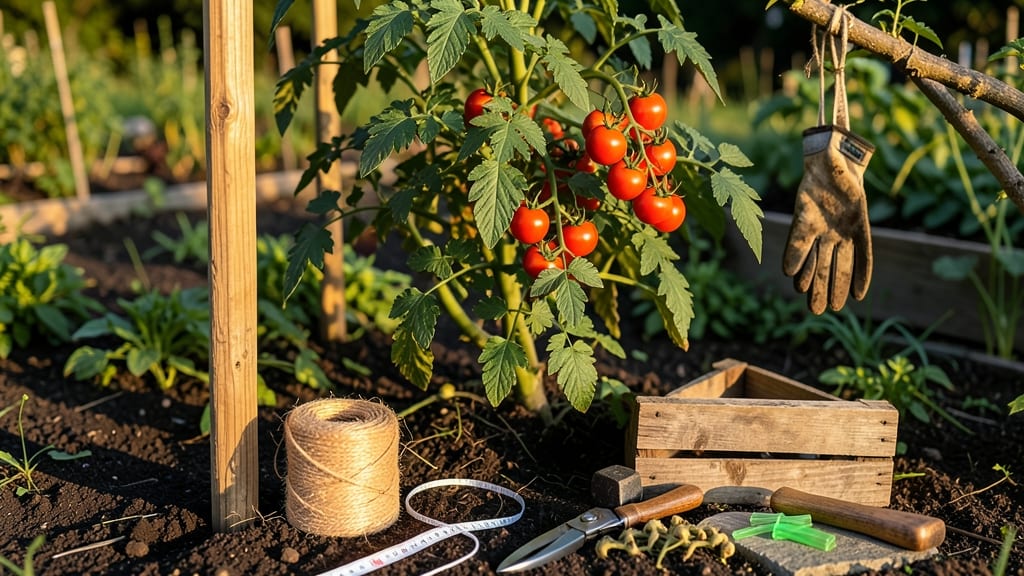
Building a tomato trellis transforms floppy vines into neat, productive plants that yield more fruit with less effort. 🌱 Last summer, my indeterminate tomatoes sprawled everywhere—until I built a simple wooden frame that kept them growing vertically. The difference was immediate: better airflow, easier harvesting, and fewer diseases.
You only need basic tools—2x4 lumber, screws, and a drill—to create a sturdy frame that supports 10-pound tomatoes without bending. The process takes under an hour, and you can customize the size for your garden space. No fancy carpentry skills required.
Once installed, your plants will climb faster and produce 20-30% more tomatoes than unsupported vines. The trellis also makes harvesting a breeze—no more bending or squatting—and keeps fruit off the ground where pests and rot lurk.
Works for both determinate (bush) and indeterminate (vining) varieties, and adapts to containers or in-ground gardens. Let’s get started with the simple steps that’ll keep your tomatoes upright all season!
📚 In This Guide
- What you need
- Instructions
- Tips and common mistakes
- Wrapping up and next steps
What you need
- ● Trellis Structure: 4–6 T-posts (5–6 ft tall, 1.5–2 in diameter) – for stability
- ● Galvanized wire (14–16 gauge, 20–30 ft total) – for horizontal supports
- ● Wooden stakes or bamboo poles (alternative to T-posts, 5–6 ft long)
- ● Fasteners: Galvanized zip ties or twist ties (50–100 pack)
- ○ Staple gun + staples (optional, for securing wire)
- ● Hammer or mallet (for driving T-posts)
- ● Wire cutters (for trimming galvanized wire)
- ● Measuring tape (5–10 ft)
- ● Scissors or pruners (for cutting zip ties)
- ● Gloves (to keep hands blister-free!)
- ● Cattle panel sections (pre-cut for a no-wire trellis)
- ● Concrete mix (to anchor T-posts in windy areas)
- ● Paint or stain (for wooden stakes, if desired)
- ● Trellis netting (for indeterminate varieties)
How to build a sturdy tomato trellis for heavy fruit
Here's my battle-tested method for constructing a trellis that won't sag under ripe tomatoes.
🪴 Step 1: Choose Your Trellis Design and Materials
For four plants, I use 4-foot tall T-posts spaced 3 feet apart in a square. This creates a stable frame that won't lean when laden with fruit. You'll need 2 pounds of galvanized wire (16-gauge) and 10 feet of 1-inch wide wooden lattice strips for the horizontal supports. The key is using materials rated for outdoor use—they'll last through multiple growing seasons.
For a simpler version, bamboo stakes work well too. Just drive 5-foot stakes at 45-degree angles and weave jute twine between them. The bamboo version is cheaper but requires more frequent maintenance. I prefer the wire lattice for its durability and cleaner look—it keeps the plants upright without tangling vines.
✂️ Step 2: Assemble the Base Frame
Start by driving your T-posts into the ground at least 12 inches deep—this prevents them from rocking when plants lean into them. Use a post hole digger or mallet to ensure even depth. For a square trellis, position the posts at each corner of your 4-foot by 4-foot planting area. Check with a 2-foot level to ensure all posts are perfectly vertical before securing them with concrete mix at the base.
If you're using bamboo, cut the stakes to 5 feet and drive them at the corners plus two additional points along each side for extra support. The angled placement creates a natural weave pattern when you add the twine later. Real talk: I've seen straight bamboo stakes topple under heavy fruit, so the angled version is worth the extra effort.
🌿 Step 3: Install Horizontal Supports
For the wire lattice version, attach horizontal wires at 12-inch intervals vertically. Use zip ties to secure the wire to the T-posts—this creates sturdy rungs for vines to climb. I like to add a diagonal wire from the top of one post to the base of the opposite post for extra stability. This crisscross design prevents the entire structure from bowing outward when tomatoes ripen.
For bamboo trellises, weave jute twine horizontally between stakes at 12-inch intervals. Start at the bottom and work your way up, creating a ladder-like structure. The twine should be taut but flexible enough to accommodate vine growth. Here's the thing—if you use plastic twine instead, it won't biodegrade and can damage stems when removed later.
☀️ Step 4: Train Tomato Plants to the Trellis
When your tomato plants reach 18-24 inches tall, gently tie the main stem to the lowest wire or twine using soft plant ties. Never use wire or anything that can cut into the stem—it'll strangle the plant as it grows. As the plant grows, continue tying the main stem to each successive support at 12-inch intervals. This vertical growth habit improves air circulation and reduces disease risk.
For indeterminate varieties (the ones that keep growing all season), you'll need to add additional horizontal supports every 2-3 weeks as the plant outgrows the original structure. I like to use bamboo poles inserted between existing posts to extend the height. Watch for the first flower clusters—this is your cue to start pruning suckers (those little shoots in the leaf axils) so the plant puts energy into fruit production rather than extra foliage.
💧 Step 5: Maintain and Reinforce Throughout the Season
Check your trellis weekly for loose wires or sagging supports. Tomatoes can get surprisingly heavy—a single vine can hold 20+ pounds of fruit. If you notice any bowing, add diagonal supports between posts immediately. I keep a roll of zip ties and extra wire on hand for quick repairs. The worst thing is watching a trellis collapse under a perfect harvest.
At the end of the season, remove all plant debris and store your trellis components in a dry place. For wire trellises, give them a vinegar rinse to remove mineral deposits. For bamboo, soak the stakes in water with a cup of bleach to prevent rot. I've had the same wire trellis for five years with minimal maintenance—just a fresh coat of paint on the posts every couple of seasons keeps it looking sharp.
Tips & tricks for sturdy tomato trellis construction
Common pitfalls—and how to sidestep every one. Trust me, I've seen trellises collapse under heavy fruit, and it's not pretty.
Material Selection: Galvanized wire is your best bet for durability, but if you're on a budget, look for 16-gauge wire or thicker. The 1-inch wide wooden lattice strips should be pressure-treated to prevent rot. I've found that skipping this step leads to splinters and weak supports—especially when tomatoes reach their peak weight. For bamboo, choose thick, straight stakes over thin ones; they'll handle the weight better. The 4-foot square design is key for stability, but if you're working with a different layout, adjust the spacing proportionally to maintain balance.
Base Stability: The 12-inch deep placement of T-posts is non-negotiable—shallow posts will wobble when plants lean into them. Use a post hole digger to ensure even depth, and check vertical alignment with a 2-foot level before securing with concrete mix. For bamboo stakes, the angled placement creates a natural weave pattern that distributes weight more evenly than straight stakes. If you're unsure about your digging depth, test by gently pushing the post—it should feel firmly planted without rocking. This is where most trellis failures begin.
Horizontal Support Strategy: The 12-inch intervals for horizontal wires or twine are critical for vine support, but don't forget the diagonal wire trick. Adding this crisscross support prevents the entire structure from bowing outward when tomatoes ripen. For bamboo trellises, use jute twine instead of plastic—it's biodegradable and won't damage stems when removed later. When attaching wires, use zip ties for quick adjustments; they're easier to modify than permanent fasteners if you need to tighten or reposition supports as the season progresses.
Maintenance Pro Tip: Keep a small toolkit nearby with zip ties, extra wire, and a vinegar rinse for your trellis components. I learned this the hard way after watching a trellis sag under a perfect harvest. The weekly checks are worth it—loose wires or sagging supports can lead to broken stems and lost fruit. At the end of the season, store components in a dry place to extend their lifespan. For bamboo, a bleach soak prevents rot, while wire trellises benefit from a simple vinegar rinse to remove mineral deposits. A little maintenance now saves a lot of frustration later.
Pro Tips for Building A Tomato Trellis
- Common pitfalls—and how to sidestep every one.
- Material Selection: Galvanized wire is your best bet for durability, but if you're on a budget, look for 16-gauge wire or thicker.
- Base Stability: The 12-inch deep placement of T-posts is non-negotiable—shallow posts will wobble when plants lean into them.
Frequently asked questions
Got questions about building the perfect tomato trellis? You’re not alone! Here are answers to the most common concerns—so you can grow like a pro without the guesswork.
When is the best time to build a tomato trellis?
Plant your trellis before transplanting seedlings into the ground (or as soon as you set up containers). Tomatoes grow fast, and a sturdy support from day one prevents flopping and encourages upward growth. If you’re retrofitting, do it early in the season—just be gentle to avoid root damage!
Can I use wood or plastic stakes instead of a full trellis?
For indeterminate tomatoes, T-posts, bamboo stakes, or even sturdy wooden dowels work great—just tie vines loosely with soft plant ties or old pantyhose. For heavy varieties (like beefsteaks), a cage or A-frame trellis distributes weight better. Pro tip: Bury stakes deep (12–18 inches) for stability!
Why are my tomato vines slipping through the trellis?
This usually means your support isn’t wide enough or the vines aren’t properly secured. Upgrade to a wider trellis (3–4 feet across) or add horizontal strings for extra grip. Also, check for overcrowding—prune suckers and tie vines every 10–14 days as they grow. A little elbow grease goes a long way!
How do I trellis tomatoes in containers or small spaces?
Opt for compact trellises like tomato cages, vertical spirals, or wall-mounted frames. For containers, use sturdy wire cages or a single tall stake (like a 6-foot rebar) tied to the pot’s rim. Just ensure your container is at least 12 inches deep and has drainage—root-bound tomatoes won’t climb well!
Can I reuse a trellis from last year?
Yes, but clean and disinfect it first! Soak wooden or metal trellises in a 10% bleach solution (or vinegar) to kill pests/diseases. For plastic or bamboo, a hot soapy wash suffices. If your trellis is wobbly, reinforce it with zip ties or extra stakes—tomatoes don’t care about nostalgia, just stability!
Wrapping up and next steps
Building a tomato trellis is a simple yet game-changing way to maximize your harvest and keep your garden thriving! With just a few materials and a bit of creativity, you can create sturdy supports that transform sprawling vines into neat, productive plants.
Whether you choose bamboo stakes, metal cages, or DIY wooden frames, the key is to start early and invest a little effort for big rewards.
Now that you’re ready to build, grab your tools and get growing! Next, explore pruning tips or companion planting to take your tomato garden to the next level. Happy gardening! 🌱🍅