
Planting
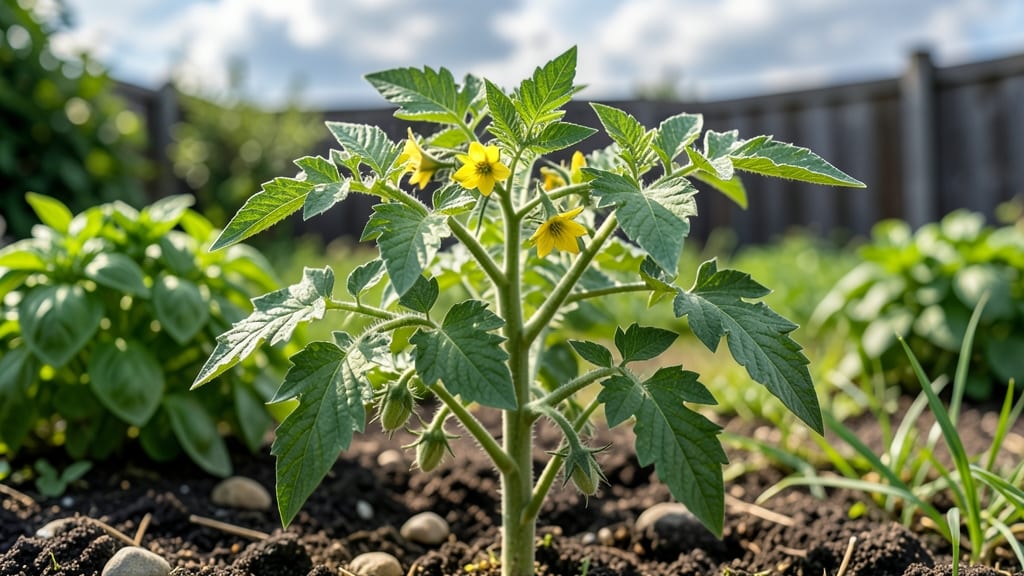
A 4-month-old tomato plant 🍅 is where the real magic happens—this is the stage where proper care turns a scraggly seedling into a fruit-bearing powerhouse.
Picture this: your plant is now 3-4 feet tall, with vines reaching for the sky and leaves that could shade a picnic blanket. But without the right pruning and staking, those strong stems can quickly turn into a tangled mess, leaving you with fewer tomatoes and more frustration.
This is where the game-changer comes in: strategic pruning to boost airflow, staking to support those heavy vines, and a few simple tricks to prevent common pitfalls like blossom end rot or overgrowth.
In this guide, I’ll walk you through exactly how to prune for maximum yield, choose the best support system, and keep your tomato plant thriving until harvest—so you’re not left with a vine that looks great but produces nothing.
When and how to prune a 4-Month-old tomato plant for maximum growth
At 4 months old, your tomato plant is entering its most critical growth phase—where proper pruning techniques can dramatically increase both fruit production and plant structural integrity.
This is the perfect time to remove suckers (those little shoots growing between the main stem and branches) before they drain energy from your plant. Indeterminate varieties, like Sungold or Brandywine, need aggressive pruning, while determinate types, such as Roma, benefit from minimal trimming.
Let’s dive into the exact steps to maximize your harvest.
Before you grab your pruners, it’s essential to understand why pruning matters. A well-pruned tomato plant directs its energy toward fruit development rather than excessive foliage, which can lead to disease risks and poor airflow.
At this stage, your plant should have a main stem of 3-4 feet tall with several primary branches. Pruning now ensures stronger stems that can support the weight of a heavy harvest later in the season. Let’s get started with the step-by-step process.
Step-by-Step Pruning Guide for Your 4-Month-Old Tomato Plant
- 1 Identify the suckers: Look for small shoots growing in the leaf axils (the angle between the main stem and a branch). These are your suckers—remove them to prevent competition for nutrients.
- 2 Use clean pruners: Sterilize your pruners with rubbing alcohol to prevent spreading diseases. Make cuts at a 45-degree angle just above a leaf node to encourage new growth.
- 3 Prune indeterminate varieties: For varieties like Beefsteak or Cherokee Purple, remove all suckers up to the first flower cluster. Leave 1-2 strong suckers below each fruit cluster to support future growth.
- 4 Minimize pruning for determinate types: Varieties like Celebrity or Roma produce fruit on a single stem. Only remove suckers if they’re growing toward the main stem—avoid excessive trimming to preserve fruit production.
- 5 Support the plant: After pruning, install a stake or cage if you haven’t already. Secure the main stem to the support to prevent wind damage and encourage upward growth.
- 6 Monitor for new suckers: Check your plant weekly for new suckers. Indeterminate varieties will continue producing them throughout the growing season, so stay proactive.
Timing your pruning is just as important as the technique itself. Aim to prune your 4-month-old tomato plant on a dry, sunny morning to allow wounds to heal quickly and reduce the risk of fungal infections.
Avoid pruning during hot afternoons or after rain, as these conditions can stress the plant. If you notice any yellowing leaves or wilting after pruning, it’s a sign you may have removed too much foliage—adjust your approach in future sessions.
One common mistake is over-pruning, which can weaken the plant and reduce its ability to produce fruit. As a rule of thumb, never remove more than one-third of the foliage at once.
For indeterminate varieties, focus on removing suckers while preserving the plant’s leaf canopy to ensure it can still photosynthesize efficiently. If you’re unsure whether a shoot is a sucker or a fruit-bearing branch, observe it for a few days—fruit-bearing branches will grow upward and develop flower clusters.
Pruning also plays a crucial role in disease prevention. Dense foliage traps moisture, creating the perfect environment for blight and powdery mildew. By thinning out the plant, you improve air circulation and reduce humidity levels near the stems.
This is especially important if you’re growing tomatoes in a humid climate or in container gardens, where airflow can be limited. Always prune with sterilized tools and avoid touching healthy leaves with your hands to minimize contamination.
For indeterminate tomato varieties, which continue growing and producing fruit throughout the season, pruning should
Best staking methods for 4-Month-old tomato plants: cages vs. trellises vs. stakes
At 4 months old, your tomato plants are entering their rapid vertical growth phase. Without proper support, their heavy fruit loads can snap stems or create disease-prone conditions. The right staking method improves airflow, fruit quality, and yield potential by keeping vines upright and organized.
Choosing between cages, trellises, or stakes depends on your space, variety, and maintenance preferences. Indeterminate varieties (like 'Sungold') need tall supports, while determinate types (like 'Roma') benefit from shorter cages. Let’s break down each option’s pros, cons, and best practices for your 4-month-old plants.
For cages, install them now if you haven’t already—they should be 5-6 feet tall for indeterminate varieties. Use soft ties (like old T-shirts) to secure vines to the cage’s wires, avoiding damage to stems. Cages are great for determinate tomatoes because they don’t require pruning to fit inside.
If you’re growing indeterminate varieties, a trellis is ideal for directing growth upward and saving space. Use flexible ties (like tomato clips) to attach vines every 6-12 inches as they grow. Trellises also make harvesting easier and reduce soil-borne diseases by keeping foliage off the ground.
Stakes are the most budget-friendly option but require more maintenance. Drive 6-foot bamboo or wooden stakes into the soil near each plant, securing vines with soft ties. This method works best for single plants in containers or small gardens, but you’ll need to tie vines weekly to prevent snapping.
Pro tip: No matter which method you choose, install supports now—waiting until vines are heavy can damage roots. For extra stability, bury stakes or cages 1/3 of their height into the soil and water thoroughly afterward to settle them.
🌱