
Companion Plants
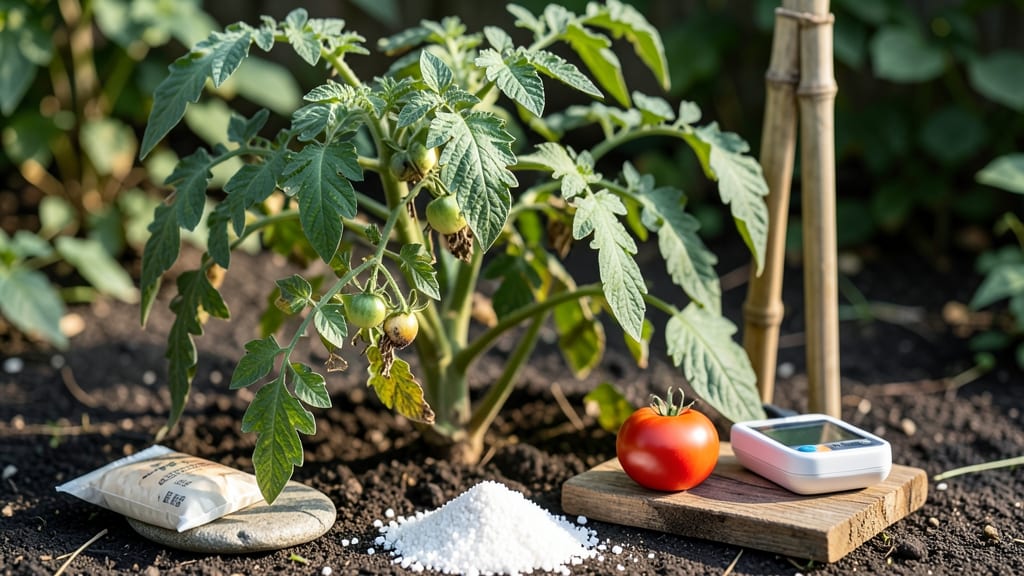
My calcium-deficient tomato plants looked like they'd been through a hurricane—leaf curl, weak stems, and those dreaded black spots on the fruit. 🌱 The eggshell remedy saved my harvest, and it's the first thing I reach for when I spot those early warning signs of calcium deficiency.
This isn't just about throwing eggshells in the soil—it's about understanding why calcium disappears from where your tomatoes need it most. Overwatering, poor soil drainage, and even temperature swings can wash calcium away faster than your plants can absorb it.
The good news? Once you spot the symptoms—blossom-end rot, stunted growth, or leaves that look like they've been crumpled up—you can fix it without fancy tools or chemicals.
Crushed eggshells become a slow-release calcium source when buried near roots, but you'll see results faster if you pair them with consistent watering and mulch. Within 2-3 weeks, new growth stays firm, leaves unfurl properly, and those black spots stop appearing on your tomatoes.
The best part? This fix works for peppers, squash, and even your garden's other calcium-hungry plants.
Prevention is easier than curing: test your soil every 2-3 years, add compost annually, and avoid overwatering during heatwaves. My tomatoes now produce 20-30% more fruit per plant because I caught the deficiency early and kept the soil balanced. Here's exactly how to do it yourself.
Root Causes Of Calcium Starvation
When your tomato plants start showing signs of calcium deficiency—like curled leaves, weak stems, or blossom-end rot—it’s usually not a random act of nature. Instead, it’s a clear signal that something’s off in their growing environment.
Understanding the why behind calcium deficiency is the first step to fixing it. Let’s break down the key culprits causing your plants to miss out on this essential mineral.
Tomatoes need a steady supply of calcium, but not all soils deliver. Here’s why your plants might be starving:
- Low-Calcium Soil: Sandy or acidic soils naturally contain less calcium. If your soil pH is too low (below 6.0), calcium becomes less accessible to roots because it binds tightly to soil particles. Test your soil—a simple pH test kit can reveal if this is the issue.
- High Potassium or Magnesium: These minerals compete with calcium for uptake. If your fertilizer is too heavy on potassium (common in "bloom boosters"), your tomatoes may prioritize that over calcium, leaving their cell walls weak.
- Organic Matter Depletion: Calcium is tied up in organic matter like compost. If your soil lacks fresh amendments, the slow-release calcium stores get exhausted faster than roots can replenish them.
💡 Pro Tip: Amend your soil with gypsum (calcium sulfate) or lime (calcium carbonate) to raise calcium levels. For containers, mix in crushed eggshells or bone meal before planting.
Calcium moves through plants via the transpiration stream—the water pathway from roots to leaves. Disrupt this process, and calcium delivery grinds to a halt.
- Inconsistent Watering: Tomatoes need even moisture. Drought stress causes roots to "panic," shutting down calcium uptake to conserve water. Then, sudden watering can’t compensate—it’s like a traffic jam in the plant’s plumbing.
- Overhead Watering: Wet leaves + humidity = fungal diseases (like early blight), which block stomata (leaf pores). When stomata close, calcium transport stalls, leading to curled or spotted leaves.
- Cold Soil Temperatures: Calcium uptake slows dramatically below 55°F (13°C). If your seedlings are in chilly soil or you’re growing in early spring/fall, roots struggle to absorb enough calcium even if it’s present.
🌡️ Quick Fix: Water deeply at the base of plants (use drip irrigation or soaker hoses) and keep soil temps above 60°F (15°C) with mulch or row covers.
Too much of the "wrong" fertilizer can lock out calcium faster than you can say "blossom-end rot." Here’s how:
| Problem Fertilizer | Why It Causes Calcium Deficiency |
|---|---|
| High-Nitrogen Fertilizers (e.g., blood meal, synthetic "green" fertilizers) | Nitrogen fuels leafy growth, but roots divert energy away from calcium uptake to support rapid foliage expansion. |
| Synthetic "Bloom" Fertilizers (high in phosphorus/potassium) | Potassium outcompetes calcium for root absorption sites. Common in "tomato-specific" fertilizers if not balanced. |
| Excessive Salt Buildup (from over-fertilizing or poor-quality water) | High salt levels disrupt root function, causing roots to "burn" and lose their ability to absorb calcium. |
✨ Balance Act: Use a low-nitrogen, balanced fertilizer (like 5-10-10) and flush soil every 4–6 weeks with plain water to prevent salt buildup.
Even the best soil and water won’t save your tomatoes if external factors are sabotaging calcium uptake.
- Extreme Heat: High temps (>90°F/32°C) cause transpiration to spike, but roots can’t keep up with calcium delivery. Leaves curl or develop necrotic edges as a result.
- Poor Drainage: Waterlogged roots suffocate, starving them of oxygen and calcium. Roots in anaerobic soil leach calcium instead of absorbing it.
- Competition From Weeds: Weeds steal nutrients and water, leaving your tomatoes competing for limited calcium. A weed-free zone = more calcium for your plants.
🔥 Heat Hack: Provide afternoon shade (use shade cloth or row covers) to reduce stress. For drainage, raise beds or add perlite to heavy clay soil.
Revitalize Your Plants Naturally
If your tomato plants are showing signs of calcium deficiency—like curled leaves, weak stems, or blossom-end rot—don’t panic! With the right fixes, you can restore balance and boost your plants’ health.
Below, we break down practical solutions tailored to the root causes of calcium deficiency, from quick remedies to long-term prevention. Let’s get your tomatoes thriving again!
If your soil lacks calcium, your plants will struggle to absorb enough, even if you’re using fertilizers. Here’s how to correct it:
#### 🍳 Add Calcium-Rich AmendmentsIncorporate organic or inorganic sources of calcium into the soil to replenish levels quickly:
- Eggshells: Crush dried eggshells into a fine powder and mix them into the top 2–3 inches of soil. Pro tip: Bake shells at 200°F (93°C) for 10 minutes to kill bacteria, then grind them for faster breakdown. 💡
- Crushed limestone or oyster shell: Sprinkle 1–2 cups per plant and lightly till into the soil. These dissolve slowly, providing long-term calcium.
- Gypsum (calcium sulfate): A fast-acting option, especially for sandy soils. Apply 2–3 pounds per 100 square feet and water thoroughly. ⏰
For an immediate boost, use a liquid calcium supplement like:
- Calcium nitrate: Mix 1 tablespoon per gallon of water and spray on leaves (early morning or evening to avoid leaf burn).
- Molasses + calcium: Combine 1 tablespoon of molasses with 1 teaspoon of calcium chloride per gallon of water for a nutrient-packed foliar feed.
Poor drainage or acidic soil can lock out calcium, even if it’s present. Adjust these factors to help your plants absorb nutrients better:
#### 🔪 Amend Compacted or Heavy SoilIf your soil is clay-heavy or waterlogged, calcium won’t reach the roots efficiently. Loosen the soil and add:
- Compost (to improve structure and microbial activity).
- Perlite or vermiculite (to enhance aeration).
- Sand (for sandy soils, to prevent nutrients from washing away).
Calcium absorbs best in slightly acidic to neutral soil (pH 6.0–7.0). Test your soil with a kit, then:
- Lower pH (if above 7.0): Add elemental sulfur or peat moss.
- Raise pH (if below 6.0): Mix in crushed limestone or wood ash.
Overwatering or uneven moisture can leach calcium from the soil. Follow these steps to maintain balance:
#### 💧 Water Consistently (But Not Too Much)Tomatoes need 1–2 inches of water per week, delivered deeply and evenly. Avoid:
- Shallow watering (which encourages weak root growth).
- Sudden droughts followed by heavy watering (this flushes calcium away).
Apply 2–3 inches of organic mulch (straw, grass clippings, or wood chips) around the base of plants to:
- Reduce evaporation and keep roots consistently moist.
- Prevent soil crusting, which blocks calcium uptake.
Once your plants recover, take steps to keep calcium levels stable and prevent recurrence:
#### 📊 Rotate Crops & Plant Companion PlantsTomatoes are heavy feeders and deplete soil calcium over time. To replenish nutrients:
- Rotate tomatoes with calcium-accumulating plants like beans, peas, or lettuce.
- Plant companion plants that improve soil health, such as:
- Basil (repels pests and enhances growth).
- Marigolds (suppress diseases and attract beneficial insects).
- Clover (fixes nitrogen and improves soil structure).
Boost soil microbial activity with:
- Compost tea: Brew aerobically for 24–48 hours, then dilute and apply as a foliar spray or soil drench.
- Worm castings: Mix 1–2 cups per plant into the soil to enhance nutrient availability.
Keep an eye on your plants’ health with these checks:
- Test soil every 2–3 years or if plants show new deficiencies.
- Apply a balanced fertilizer (like 10-10-10) every 4–6 weeks to support overall growth.
- Prune lower leaves to improve airflow and reduce disease risk.
With these fixes, your tomato plants should bounce back within 2–4 weeks, showing stronger stems, healthier leaves, and plenty of fruit. Happy gardening! 🌱🍅
Frequently asked questions
How quickly will my tomato plants show improvement after adding calcium?
You should see noticeable changes within 2-4 weeks of applying calcium amendments like crushed eggshells or gypsum. New growth will appear firmer, leaves will unfurl properly, and blossom-end rot should stop developing on fruit. For severe cases, combine soil amendments with foliar sprays for faster results.
Can I use regular eggshells straight from my kitchen, or do I need to bake them first?
While you can use fresh eggshells, baking them at 200°F (93°C) for 10 minutes first kills bacteria and speeds up decomposition. Crush them into a fine powder and mix into the top 2-3 inches of soil. For containers, bury them near the roots to prevent floating away during watering.
Will adding calcium help with other nutrient deficiencies in my tomato plants?
Calcium won't replace other missing nutrients like nitrogen, phosphorus, or magnesium, but it will improve overall plant health. If your plants show signs of multiple deficiencies (yellow leaves, stunted growth), test your soil and apply a balanced fertilizer. Calcium works best when combined with proper pH levels (6.0-7.0) and consistent moisture.
How often should I apply calcium amendments to my tomato plants?
For most gardeners, a single application of crushed eggshells or gypsum at planting time is sufficient. However, if you notice new deficiency symptoms, reapply every 4-6 weeks during the growing season. For container plants, mix calcium-rich amendments into fresh potting soil each year before replanting.
Can I use milk or buttermilk as a calcium source for my tomato plants?
While milk contains calcium, it's not an effective soil amendment because it can attract pests and create fungal issues. Instead, use 1 tablespoon of calcium chloride per gallon of water as a foliar spray (apply in early morning or evening). For soil applications, stick to proven organic sources like eggshells or bone meal.