
Vegetables
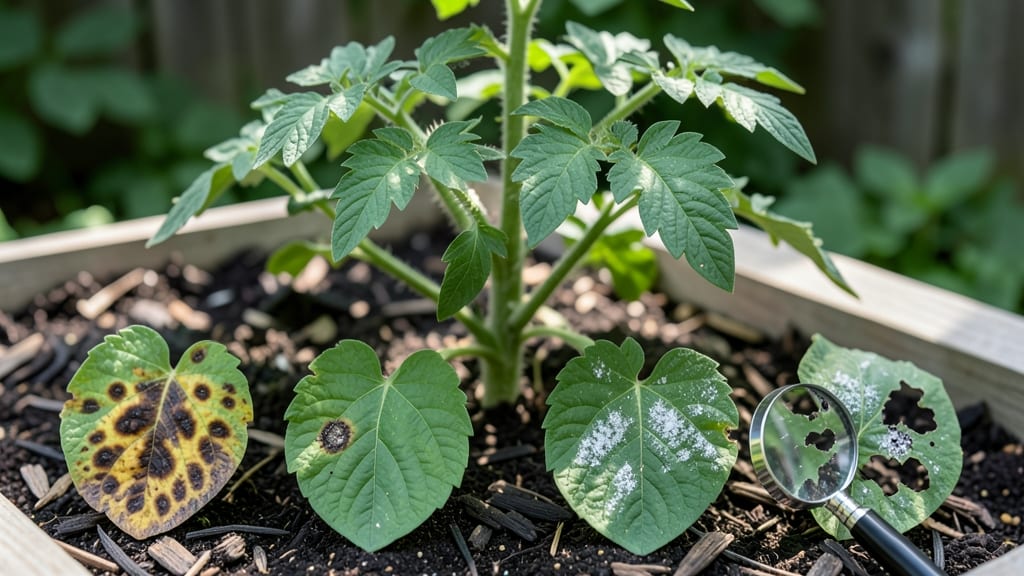
Tomato leaf problems pictures can turn your lush plants into a sad, spotted mess in days. 🌱 I’ve seen early blight turn vibrant green leaves into crispy brown patches overnight—until I learned the quick fixes that save the harvest. This guide shows you exactly what to look for, with before-and-after photos to spot the issue fast. The worst offenders are fungal diseases like blight, bacterial spots, and spider mites—each leaves distinct clues. Yellowing edges? Too much water. Curling leaves? Heat stress or pests. I’ll walk you through what’s wrong, how to treat it (most fixes take under 10 minutes), and how to stop it from coming back next season. By the end, you’ll recognize problems before they ruin your tomatoes and fix them with simple sprays, pruning, or soil tweaks. No more guessing—just clear steps with visual proof of what healthy leaves should look like. Works for home gardeners and container growers alike. Let’s get those leaves back to their best!
Root Causes Of Tomato Leaf Woes
Understanding why tomato leaves develop problems is the first step to restoring your plants to their vibrant, productive best. 🌱 Let’s break down the science behind the most common issues—so you can diagnose and treat them like a pro.
---
Fungal pathogens thrive in warm, humid conditions and can turn your tomato leaves into a sad, spotted mess. Here’s how they strike:
- Early Blight (Alternaria solani): This fungus starts as small, dark brown spots with concentric rings on older leaves. Over time, the spots expand, and the leaves yellow and die.
It loves moisture and poor air circulation. - Why it happens: Spores splash onto leaves from infected soil or plant debris, especially after overhead watering. Warm nights (60–80°F) and high humidity create the perfect breeding ground.
- Late Blight (Phytophthora infestans): A more aggressive cousin of early blight, late blight causes large, greasy-looking spots that spread rapidly, often killing leaves in days.
It’s infamous for devastating crops overnight. - Why it happens: This fungus thrives in cool, wet conditions (50–77°F) and spreads via wind, water, or infected plant material. It’s particularly rampant in coastal regions or after heavy rain.
- Powdery Mildew (Oidium spp.): A white, powdery coating on leaves that looks like flour dust. It weakens plants by blocking sunlight and clogging pores. - Why it happens: This fungus loves dry heat during the day (75–85°F) but needs high humidity at night.
Poor airflow and crowded plants make it worse.
--- Bacteria are relentless and can spread quickly, often through wounds or contaminated tools. Here’s how they wreak havoc:
- Bacterial Spot (Xanthomonas perforans or Pseudomonas syringae): Tiny, water-soaked spots with yellow halos that enlarge and turn brown or black. Severe cases cause leaves to drop prematurely. - Why it happens: Bacteria hitchhike on wind, rain, or even your gardening tools.
They enter through leaf wounds (like from hail or pruning) and thrive in warm, wet conditions (75–85°F).
- Bacterial Speck (Pseudomonas syringae pv. tomato): Similar to bacterial spot but with smaller, pinpoint lesions that may have a yellow halo. It can also cause wilting and stunted growth. - Why it happens: This bacterium spreads via splashing water, contaminated seeds, or infected transplants.
It’s especially aggressive in greenhouses or high-humidity areas.
--- Pests don’t just eat leaves—they inject toxins, spread diseases, and stress plants. Here’s how they sabotage your tomatoes:
- Aphids: These tiny green or black bugs cluster on undersides of leaves, sucking sap and excreting sticky honeydew (which attracts sooty mold). - Why it happens: Aphids are drawn to tender new growth and are spread by wind, ants (which farm them), or infected plants.
They thrive in warm weather (60–80°F) and crowded gardens.
- Spider Mites (Tetranychus spp.): Almost invisible until they spin fine webs and cause stippling (tiny white or yellow dots) on leaves. Severe infestations turn leaves gray and crispy. - Why it happens: These mites love dry, hot conditions (80°F+) and low humidity.
They multiply rapidly when plants are stressed (e.g., drought or over-fertilization).
- Tomato Hornworms: These green caterpillars with white stripes devour leaves overnight, leaving behind skeletonized foliage. - Why it happens: Hornworms are drawn to tomato plants (thanks to their scent) and lay eggs on leaves. They’re most active in late spring to early summer when nights are warm.
--- Sometimes, the problem isn’t a pathogen or pest—it’s the environment itself. Here’s how:
- Overwatering or Poor Drainage: Yellowing leaves, wilting, or blackened stems can signal root rot (Phytophthora or Pythium), where roots suffocate in soggy soil. - Why it happens: Tomatoes need consistent moisture but hate waterlogged roots.
Overwatering or compacted soil cuts off oxygen, inviting fungi to feast on roots.
- Underwatering or Heat Stress: Brown, crispy leaf edges or curled leaves often mean the plant is thirsty or struggling with heat. - Why it happens: Tomatoes need 1–2 inches of water per week. High temps (above 90°F) increase water loss, while inconsistent watering causes stress.
- Nutrient Deficiencies: Yellowing between leaf veins (chlorosis) often signals iron or magnesium deficiency, while purple stems or leaves can mean phosphorus or potassium is lacking. - Why it happens: Poor soil, over-farming, or imbalanced fertilizers (e.g., too much nitrogen) disrupt nutrient uptake.
Tomatoes are heavy feeders and need steady access to micronutrients.
--- Not all leaf problems are biological—sometimes, it’s just bad luck or human error:
- Hail or Wind Damage: Torn, shredded, or bruised leaves can invite infections or pests. - Why it happens: Storms create entry points for pathogens. Always inspect plants after weather events and remove damaged foliage.
- Chemical Burn: Brown, crispy edges or bleached spots can mean over-application of fertilizer, herbicide drift, or harsh pesticides. - Why it happens: Tomatoes are sensitive to salts and chemicals. Always follow label rates and water after applying treatments to dilute residues.
--- Pro Tip 💡: Most tomato leaf problems start small—act fast! Early diagnosis (using a magnifying glass or app like PlantNet) and targeted fixes save your harvest. Next up: [How to Treat These Issues](link-to-next-section) with before-and-after photos!
Quick Fixes For Common Tomato Leaf Issues
Tomato plants are resilient, but when their leaves start showing signs of distress, it’s time to roll up your sleeves and take action. Below are practical, step-by-step solutions for the most common tomato leaf problems, complete with prevention tips to keep your plants thriving.
Whether you're dealing with pests, diseases, or environmental stressors, these fixes will help you restore your plants to peak health—fast!
---
Early blight is one of the most common tomato diseases, recognizable by its concentric brown spots on lower leaves. If left unchecked, it can defoliate your plant and reduce yields.
How to Fix It: 1. 🍳 Prune and Remove Infected Leaves - Use sterilized pruners (wipe with rubbing alcohol) to snip off any leaves with brown spots. - Do not compost these leaves—toss them in the trash to prevent reinfection.
2. 👨🍳 Apply a Copper-Based Fungicide - Spray leaves early in the morning with a copper fungicide (like Bonide Copper Fungicide) every 7–10 days for prevention. - For organic growers, mix 1 tbsp baking soda + 1 tsp dish soap + 1 gallon water and spray.
3. 🥘 Improve Air Circulation - Space plants 18–24 inches apart to reduce humidity. - Avoid overhead watering—water at the base in the morning to keep foliage dry.
💡 Prevention Tip: Rotate crops yearly—never plant tomatoes, peppers, or potatoes in the same spot two years in a row.
---
This fungal disease causes small, dark spots with yellow halos that eventually turn gray. It thrives in wet, humid conditions, so quick action is key.
How to Fix It: 1. ⏰ Remove and Destroy All Infected Leaves - Cut off any leaf with more than one spot immediately. - Burn or bag infected foliage—do not leave it in the garden.
2. 🔪 Use a Preventative Spray Schedule - Alternate between copper fungicide and a biological fungicide (like Serenade ASO). - Spray every 5–7 days during rainy seasons or high humidity.
3. 🌡️ Adjust Watering Habits - Water only in the morning and avoid wetting leaves. - Consider drip irrigation to keep foliage dry.
💡 Prevention Tip: Plant resistant varieties like ‘Defiant PhR’ or ‘Mountain Merit’ if septoria is a recurring issue.
---
Tiny but destructive, spider mites suck sap from leaves, causing yellow stippling, webbing, and a dusty appearance. They thrive in hot, dry conditions.
How to Fix It: 1. 🔥 Blast Them Off with Water - Hose down the plant (especially undersides of leaves) with a strong stream every 2–3 days to dislodge mites.
2. 🍳 Apply Neem Oil or Insecticidal Soap - Mix 1 tbsp neem oil + 1 tsp mild dish soap + 1 quart water and spray thoroughly (repeat every 5–7 days). - Avoid spraying in direct sunlight—it can burn leaves.
3. 👨🍳 Introduce Beneficial Predators - Release lacewings or ladybugs (available at garden centers) to eat mites naturally.
💡 Prevention Tip: Keep your garden humid—mist plants occasionally or place a shallow tray of water near them to deter mites.
---
These giant green caterpillars can devour a tomato plant overnight, leaving behind skeletons of leaves and chewed fruit.
How to Fix It: 1. 👨🍳 Handpick Them Early in the Morning - Check leaves daily—hornworms are easy to spot (look for white diagonal stripes). - Drop them into soapy water to kill them instantly.
2. 🥘 Use Bt (Bacillus thuringiensis) Spray - Spray Dipel or Thuricide (a natural bacteria) on leaves—it kills caterpillars but is safe for humans and pets.
3. 🌡️ Encourage Natural Predators - Praying mantises, parasitic wasps, and birds love hornworms. Plant dill, fennel, or marigolds nearby to attract them.
💡 Prevention Tip: Rotate crops and remove debris after harvest to reduce hornworm populations.
---
No matter the issue, proper care is your best defense. Follow these golden rules to prevent problems before they start:
- 💡 Rotate Crops – Never plant tomatoes in the same spot two years in a row. - 🌡️ Mulch Heavily – Use straw or grass clippings to keep soil moist and prevent splashing. - 🎯 Test Your Soil – Tomatoes thrive in pH 6.2–6.8.
Adjust with lime or sulfur if needed. - 🔥 Monitor Regularly – Check undersides of leaves and new growth weekly for early signs of trouble.
--- Final Thought: With these simple, actionable fixes, you can revive struggling tomato plants and prevent future issues. The key is early intervention—don’t wait until the problem spreads! 🍅💪
Frequently asked questions
How can I tell the difference between early blight and late blight just by looking at the leaves?
Early blight shows up as small, brown spots with concentric rings on older, lower leaves first. Late blight, however, creates large, greasy-looking spots that spread rapidly—often killing entire leaves in days. Check the weather too: early blight loves warm nights, while late blight thrives in cool, wet conditions.
What should I do if my tomato leaves have yellow edges but the rest looks healthy?
Yellow edges usually mean overwatering, heat stress, or nutrient imbalance. First, check your soil moisture—tomatoes need 1-2 inches of water per week. If the soil is soggy, reduce watering. For nutrients, test your soil pH (6.2-6.8 is ideal) and add compost or a balanced fertilizer like 10-10-10.
Are there any home remedies that actually work for tomato leaf problems?
Yes! For fungal issues like early blight, mix 1 tbsp baking soda + 1 tsp dish soap + 1 gallon water and spray leaves. For pests like aphids, blast them off with water or spray neem oil solution (1 tbsp neem oil + 1 tsp soap per quart of water). Always test remedies on a small area first to avoid burning leaves.
Can I still save my tomato plant if most of the leaves are infected with disease?
It depends! If the disease is fungal (like blight), prune off all infected leaves immediately and treat with copper fungicide. For bacterial issues, there's no cure—remove the plant completely to prevent spread. If you catch it early, healthy new growth can often recover, but severe cases may require replacing the plant.
Why do my tomato leaves keep getting holes even when I don't see any pests?
Those holes are likely from hornworms or slugs. Check undersides of leaves for hornworms (green caterpillars with white stripes) or look for slimy trails at night for slugs. For hornworms, handpick them or use Bt spray. For slugs, set up beer traps or use iron phosphate bait. Early morning inspections work best!