
Companion Plants
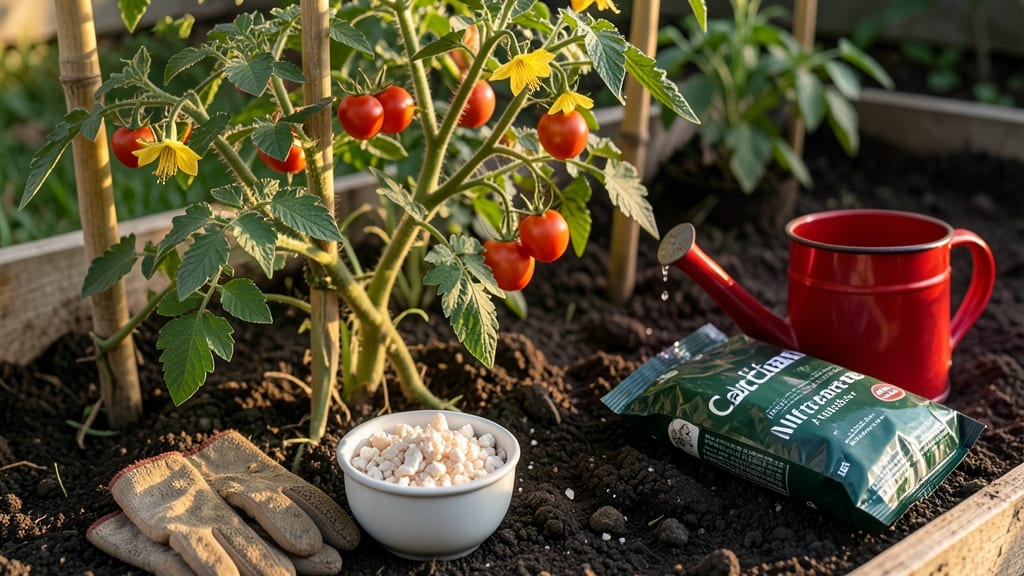
Blossom end rot turns your tomatoes into leathery, rotting messes—and it’s all about calcium. 🌱 I’ve lost entire harvests to this sneaky deficiency until I discovered how to give tomato plants exactly what they need to grow strong, juicy fruit.
The fix isn’t complicated, but it does require understanding why calcium matters and how to deliver it the right way.
Calcium isn’t just about preventing those ugly brown spots on the bottoms of tomatoes. It strengthens cell walls, helps roots absorb water, and keeps your plants resilient against stress. Most garden soils lack enough available calcium, especially if you’ve been amending with compost or manure.
The good news? You don’t need fancy supplements—crushed eggshells, lime, or even well-aged compost can work wonders when applied correctly.
Within 2-3 weeks of proper calcium treatment, you’ll see new growth forming strong, firm fruit instead of those sad, shriveled messes. The key is consistency: don’t overdo it (too much calcium causes its own problems), but don’t skimp either.
I’ll show you exactly how to balance it so your tomatoes stay healthy from first bloom to last harvest.
This method works for container-grown tomatoes, raised beds, and in-ground gardens alike. Whether you’re dealing with a sudden outbreak or just want to prevent future issues, these steps will keep your plants thriving—no more wasted effort or disappointing harvests. Let’s get those tomatoes growing right.
📚 In This Guide
- What you need
- Instructions
- Tips and common mistakes
- Wrapping up and next steps
What you need
- ● Eggshells – 10–15 clean, empty eggshells per plant (or more for large containers). Tip: Save shells from your kitchen or ask friends/family to collect them!
- ● Baking sheet or tray – For drying eggshells (preheat oven to 200°F (93°C) for 10–15 minutes).
- ● Blender or food processor – To grind dried eggshells into a fine powder.
- ● Small bowl or container – For storing the eggshell powder.
- ● Watering can or spray bottle – For applying the eggshell solution.
- ● Calcium supplement (e.g., crushed oyster shell or garden lime) – Mix 1–2 tbsp per gallon of water for extra calcium.
- ● pH test kit – To ensure soil pH is between 6.0–6.8 (calcium absorbs best in this range).
- ● Compost or worm castings – Boosts soil health alongside calcium.
- ● Glove – Protects hands from sharp eggshell edges.
Step-by-Step instructions for using eggshells to prevent blossom end rot
Here's how I keep my tomatoes thriving and rot-free using a simple, kitchen-sourced remedy.
🌱 Step 1: Collect and Clean Eggshells
Start by saving 4-6 eggshells from your next omelet or breakfast. Rinse them thoroughly to remove any residual egg or food particles—this prevents bacterial growth later. I like to soak them in a 10% vinegar solution for 10 minutes to sterilize them completely before drying.
Place the cleaned shells on a baking sheet and bake at 200°F for 10 minutes to kill any remaining bacteria. This step is crucial—skipping it can lead to mold or foul odors in your compost or soil. Let them cool completely before crushing.
✂️ Step 2: Crush Eggshells into Fine Powder
Use a clean rolling pin or mortar and pestle to crush the dried eggshells into a fine powder. I aim for consistency similar to coarse sand—this maximizes surface area for calcium absorption. If you have a food processor, pulse them in 3-second bursts to avoid overheating the motor.
Sift the crushed shells through a fine-mesh strainer to remove any larger fragments. Store the powder in a small, airtight container until ready to use. You'll only need about 1 teaspoon per plant, so a little goes a long way.
💧 Step 3: Mix Eggshell Powder into Soil or Compost
Work 1 teaspoon of eggshell powder into the top 2 inches of soil around each tomato plant. I like to do this when transplanting seedlings or when the first flowers appear—this is when calcium needs peak up. Gently scratch the soil surface to distribute it evenly without burying it too deeply.
For container-grown tomatoes, sprinkle the powder on the soil surface and lightly scratch it in. Water the soil thoroughly after applying to help the calcium dissolve and penetrate the root zone. You'll see the powder disappear within 24 hours as it integrates into the soil.
☀️ Step 4: Apply as a Foliar Spray (Optional Boost)
For an extra calcium boost, mix 1 tablespoon of eggshell powder with 1 quart of warm water. Stir well until fully dissolved, then strain through a coffee filter to remove any undissolved particles. Transfer the liquid to a spray bottle for easy application.
Lightly mist the tomato leaves in the early morning, avoiding direct sunlight to prevent leaf burn. I focus on the undersides of leaves where calcium absorption is highest. This method is especially helpful during hot, dry spells when plants can't access enough calcium from the soil.
⏰ Step 5: Monitor and Reapply as Needed
Check your tomato plants every 2-3 weeks for early signs of blossom end rot—small, dark, watery spots on the fruit's blossom end. If you spot these, immediately reapply eggshell powder to the soil and foliar spray the leaves. Prevention is key, but this remedy works even on established rot.
I also recommend applying eggshell powder at planting time and again when the first fruit sets. This 3-step timing (planting, flowering, fruiting) ensures continuous calcium availability. Healthy tomatoes will show it through thick, firm fruit and glossy, vibrant leaves.
Tips & tricks for preventing blossom end rot in tomatoes
These simple tricks will help you turn kitchen scraps into a garden game-changer.
Sterilization Matters: That 10-minute vinegar soak in Step 1 isn't just about cleanliness—it's your first line of defense against bacterial growth. I've seen eggshells mold in compost when this step was skipped. For extra peace of mind, you can extend the baking time to 15 minutes at 200°F, though 10 minutes works perfectly for me. The shells should be completely dry and cool before crushing to prevent any moisture from interfering with the powder's effectiveness.
Crushing Technique: When crushing eggshells in Step 2, consistency is key. I find a rolling pin works best for me—it gives me better control than a food processor. If you use a food processor, those 3-second bursts are crucial to avoid overheating. The goal is powder that resembles coarse sand, not fine dust. You can test your powder by sprinkling it on water—it should sink slowly rather than floating or clumping.
Timing Your Applications: The 24-hour integration time in Step 3 is perfect for most gardeners, but if you're dealing with particularly dry soil, you might want to water again after 12 hours to help the calcium dissolve. I've found that applying eggshell powder at these three critical times—planting, flowering, and fruiting—makes all the difference. This three-step timing ensures your tomatoes get continuous calcium support throughout their growth cycle, which is especially important during hot weather when plants can't access soil nutrients as easily.
Foliar Spray Secret: For the optional foliar spray in Step 4, I've discovered that adding a drop of liquid dish soap to the quart of water helps the solution adhere better to the leaves. Just use a very small amount—about 1/4 teaspoon—so it doesn't damage the plant. This simple addition can double the effectiveness of your calcium boost, especially during those dry spells when your tomatoes need every advantage they can get.
Pro Tips for Calcium For Tomato Plants
- These simple tricks will help you turn kitchen scraps into a garden game-changer.
- Sterilization Matters: That 10-minute vinegar soak in Step 1 isn't just about cleanliness—it's your first line of defense against bacterial growth.
- Crushing Technique: When crushing eggshells in Step 2, consistency is key.
Frequently asked questions
Got questions about boosting your tomato plants with calcium? You’re not alone! Here are some of the most common queries—and straightforward answers—to help you grow healthier, happier tomatoes.
How do I know if my tomato plants need calcium?
Look for signs like blossom end rot (black, sunken spots on fruit) or weak, brittle new growth. Yellowing leaves or stunted blossoms can also signal a calcium deficiency. Test your soil pH too—calcium absorbs best in slightly acidic to neutral soil (pH 6.0–7.0).
When is the best time to add calcium to tomato plants?
Start before flowering (4–6 weeks before harvest) to prevent blossom end rot. For eggshells, crush and mix them into soil 2–3 months before planting or as a side-dressing when plants are 6–8 inches tall. For liquid calcium (like milk or crushed eggshell tea), apply every 2–4 weeks during the growing season.
Can I use eggshells from raw or cooked eggs?
Both work, but raw eggshells are ideal—they’re cleaner and retain more calcium. If using cooked, rinse thoroughly to remove residue. Pro tip: Bake shells at 200°F (93°C) for 10 minutes to sterilize and crush them into a fine powder for faster absorption. Avoid using shells with glue or dye (like from cartons).
What if my tomato plants still get blossom end rot after adding calcium?
Blossom end rot can also stem from water stress (uneven moisture) or magnesium/potassium deficiencies. Ensure consistent watering (deep, infrequent soaks) and test soil for other nutrients. If issues persist, try a balanced fertilizer (like 10-10-10) or Epsom salt (for magnesium) alongside calcium.
Are there other natural calcium sources besides eggshells?
Try:
- Crushed oyster shell (high in calcium carbonate)
- Wood ash (sparingly—test soil pH first!)
- Milk or yogurt (diluted 1:10 with water as a foliar spray)
- Crushed coral or limestone (mixed into soil)
For quick fixes, calcium nitrate (a soluble fertilizer) works fast but isn’t organic.
Wrapping up and next steps
Growing thriving tomato plants is all about giving them the right care—and calcium is a game-changer! 🌱 By using eggshells or other calcium-rich amendments, you can prevent blossom end rot and boost overall plant health. Start small, monitor your plants, and enjoy the rewards of your hard work.
Ready to take the next step? Try your first batch of eggshell calcium today! Your tomatoes will thank you with juicy, blemish-free harvests. Happy gardening! 🍅✨