
Diseases
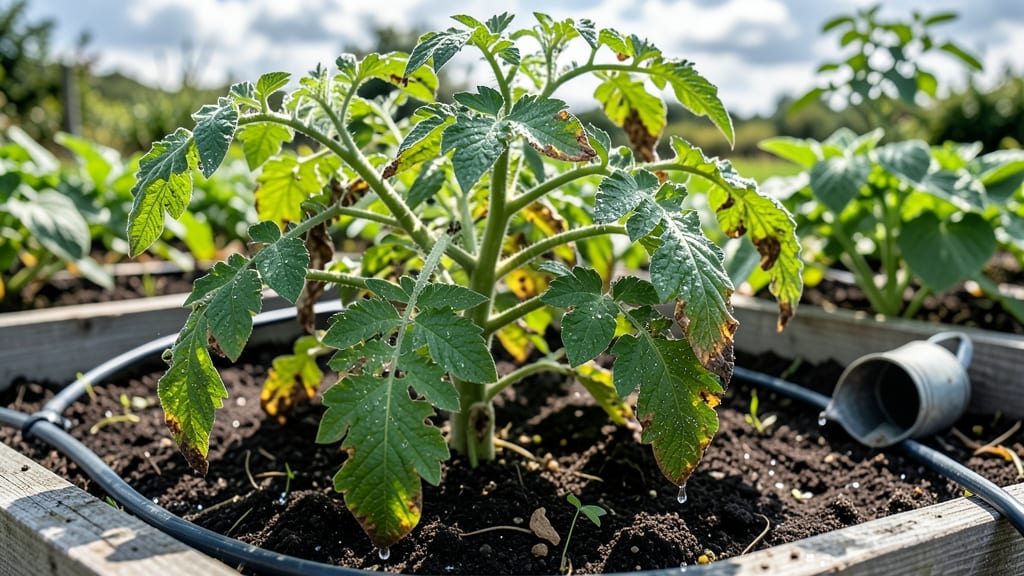
When your tomato leaves wilted, it’s often a sign your 🍅 plants are crying out for help—and the good news is, most cases have a quick fix.
Picture this: You’ve nurtured your tomato plants all season, only to wake up one morning and find drooping leaves, yellowing stems, or crispy edges. Before you assume the worst, let’s diagnose the real issue—whether it’s overwatering, underwatering, disease, or something else entirely.
In this guide, I’ll walk you through the top 3 causes of wilting tomato leaves and the fastest ways to revive them, so you can get back to a thriving harvest in no time.
You’ll also learn how to prevent future wilting with simple, long-term care strategies that keep your plants lush and productive from April through October.
Common causes of wilting tomato leaves and how to diagnose them
When your tomato leaves wilt, it’s your plant’s way of signaling distress—but not all wilting is created equal. The first step is identifying whether the issue stems from water stress, disease, pests, or nutrient deficiencies.
Each cause requires a different fix, so let’s break down the most common culprits and how to spot them quickly before your plant’s health declines further.
Start by examining the pattern of wilting. Are the lower leaves drooping first? Or is the wilting concentrated on new growth? Check the soil moisture—is it soggy or bone-dry? These clues will help narrow down the problem.
For example, overwatering often causes yellowing leaves paired with wilting, while underwatering leads to crispy, dry edges on leaves that feel dry to the touch.
Next, inspect the stem and roots. Gently pull back the mulch or dig around the base to check for root rot (a foul smell or mushy roots) or cracked soil (a sign of underwatering).
Look for spots or lesions on stems or leaves—these could indicate fungal diseases like early blight or bacterial wilt. If you spot holes or chewed leaves, pests like aphids or tomato hornworms might be the culprits.
Don’t overlook nutrient deficiencies, either. Yellowing between leaf veins often signals a magnesium deficiency, while purple stems or leaves point to a phosphorus shortage.
These deficiencies can stress your plant, leading to wilting even if watering seems correct. A quick soil test can confirm if your tomatoes need a nutrient boost.
Here’s a quick diagnostic guide to help you identify the root cause of your wilting tomato leaves:
If your tomatoes are wilting due to overwatering, the damage might extend to the roots. Root rot thrives in waterlogged soil, cutting off the plant’s ability to absorb moisture and nutrients. To diagnose, gently dig around the base and check for dark, mushy roots.
If you find them, act fast by improving drainage—amend your soil with compost or perlite and reduce watering frequency. For severe cases, consider transplanting to a well-draining container with fresh soil.
On the flip side, underwatering is just as damaging. Tomato plants need 1-2 inches of water per week, especially during fruiting. If your soil feels dry more than an inch below the surface, it’s time to water deeply.
Use your finger to test moisture levels—if it’s dry, give your tomatoes a slow, deep drink in the morning to prevent fungal issues. Mulching around the base can also help retain moisture and keep roots cool.
Pests and diseases often fly under the radar until wilting becomes severe. For instance, early blight starts with small brown spots on lower leaves and spreads upward if untreated.
If you notice concentric rings or yellow halos around spots, remove infected leaves immediately and spray with a copper fungicide to prevent spread. Similarly, aphids or spider mites suck sap from leaves, causing them to wilt and curl.
Blast them off with a strong spray of water or use insecticidal soap for a chemical-free fix.
Finally, nutrient deficiencies can mimic wilting caused by water issues. For example, a lack of magnesium (common in sandy soils) leads to yellowing between leaf veins, while potassium deficiency causes weak stems and wilting.
A simple soil test kit can reveal deficiencies, but you can also address them quickly with Epsom salt (for magnesium) or a balanced fertilizer like 10-10-10. Apply these treatments in the morning to give your plants time to absorb nutrients before evening moisture sets in.
Once you’ve identified the cause of your wilting tomato leaves, you’re already halfway to a solution. The key is acting quickly—whether that means adjusting your watering schedule, pruning diseased foliage, or amending your soil.
With the right diagnosis, your tomatoes can bounce back to full, lush health in no time. 🌱
3 Immediate fixes to revive wilting tomato plants fast
When your tomato leaves wilted overnight, it’s a clear sign your plants are stressed—but don’t toss them yet! Most wilting is reversible with fast-acting fixes that target the root cause. The key is acting quickly to restore moisture balance, remove stress, and boost nutrients before permanent damage occurs.
Before diving into solutions, check the soil moisture and leaf texture. Soft, limp leaves often mean overwatering or root rot, while dry, crispy edges signal underwatering or heat stress. Once you’ve identified the issue, these three fixes will get your plants perking up in days.
🌱 Step-by-Step Revival Plan
-
1
Adjust Watering Immediately
If soil feels soggy, stop watering for 3 days to prevent root rot. For dry soil, deep-water at the base (1-2 inches) in the morning. Avoid wetting leaves to reduce fungal diseases.
-
2
Prune Damaged Foliage
Use sterilized scissors to trim yellowed or blackened leaves—this redirects energy to healthy growth. Focus on lower leaves first, as they’re most prone to disease. Prune in early morning to minimize stress.
-
3
Boost Nutrients with Emergency Feed
Mix 1 tbsp of balanced fertilizer (10-10-10) in 1 gallon of water and apply to soil. For calcium deficiency (common in wilting), add crushed eggshells or calcium nitrate. Reapply every 7-10 days until leaves firm up.
After implementing these fixes, monitor your plants for 24-48 hours. If leaves remain wilted, check for pests like aphids or diseases such as early blight, which may require targeted treatments. Most tomato plants bounce back within 3-5 days with consistent care.
Pro tip: Mulch around the base with straw or grass clippings to retain moisture and regulate soil temperature. This simple step can prevent future wilting episodes by keeping roots consistently hydrated.
Remember, prevention is key. Once your plants recover, adjust your watering schedule to match their needs—deep and infrequent is better than shallow, daily sprinkles. Your tomatoes will thank you with juicy, vibrant fruit all season long! 🍅