
Plants
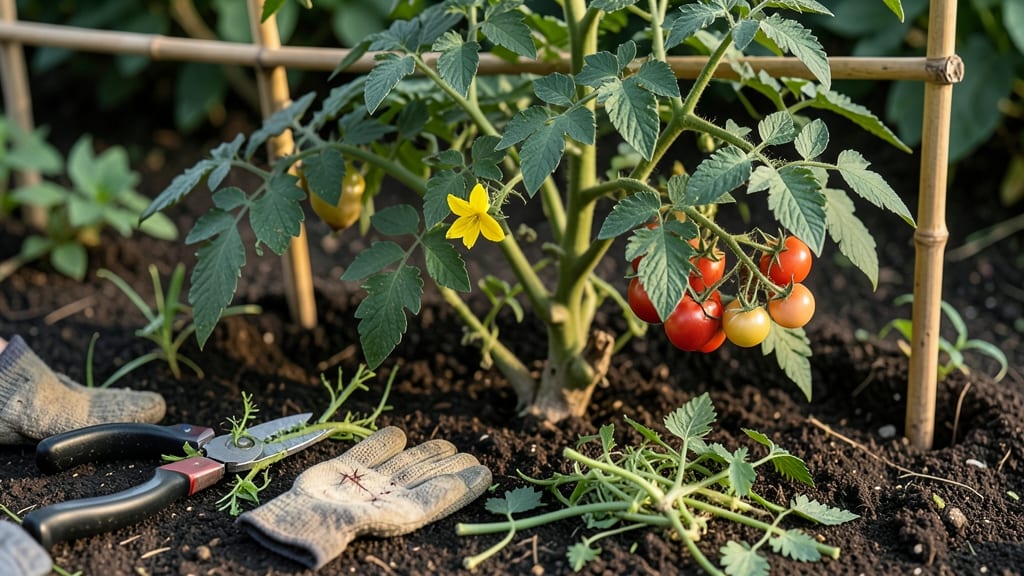
Yes, you can cut tomato plants back to improve air circulation and fruit production, but timing and technique matter. Prune suckers (side shoots) regularly for indeterminate varieties, while determinate tomatoes rarely need pruning beyond removing diseased leaves. Always use clean shears and avoid over-pruning to prevent stress.
Pruning tomato plants isn't just about shaping them—it's about directing their energy where it counts. 🌱 Indeterminate varieties (like Roma or Cherry tomatoes) thrive with regular trimming of suckers, those little shoots that form in the leaf axils, because it helps focus growth on fruit production rather than leafy vines.
Determinate types, which naturally stop growing, rarely need pruning unless you spot yellowing or diseased foliage. The key is working early in the morning on dry days to minimize stress on the plant and reduce disease transmission through open wounds.
For best results, use sharp, sterilized pruners to make clean cuts just above a leaf node, never tearing the stem. This encourages faster healing and prevents entry points for pests. I’ve found that a light touch—removing only what’s necessary—goes a long way in keeping plants productive.
Over-pruning can shock the plant, leading to stunted growth or even flower drop, so always observe your plant’s response after each trim.
💡 In This Article
- When and Why to Prune Tomato Plants
- Step-by-Step Tomato Pruning Guide for Beginners
When and why to prune tomato plants
Pruning tomato plants taps into their natural growth patterns to optimize fruit production. Indeterminate varieties—like the sprawling Beefsteak or Sungold Cherry tomatoes—grow continuously until frost, producing flowers along their main stem and branches.
When you remove those suckers (the small shoots forming between the main stem and branches), you redirect the plant's energy from leafy growth to developing larger, healthier fruit. Studies show that pruned indeterminate plants can yield 20-30% more tomatoes by eliminating unnecessary foliage that competes for nutrients.
The science behind this lies in photosynthesis efficiency and air circulation. Dense foliage creates a humid microclimate where fungal diseases like blight thrive. Pruning opens up the plant, allowing sunlight to penetrate deeper and air to flow freely—reducing moisture retention by up to 40%.
This is why I always prune on dry, sunny mornings (between 8-10 AM), when the plant's natural defenses are strongest and wounds heal fastest. The ideal time to start is when plants reach 12-18 inches tall, just as they begin flowering.
Determinate tomatoes, like Celebrity or Roma, tell a different story. These bushy varieties grow to a fixed height and produce fruit all at once. Here, pruning is minimal—focus on removing only diseased or yellowing leaves to prevent energy drain.
Over-pruning determinates can actually reduce yield by removing potential fruit-bearing branches. The key difference is their growth habit: indeterminates grow vertically indefinitely, while determinates stop growing after their main stem sets fruit, making them less responsive to aggressive pruning.
Watch for stress signals like wilting, yellowing leaves, or dropped flowers—these often mean you've pruned too much. The plant's natural response to heavy pruning is to divert energy to leaf regrowth rather than fruit development.
For indeterminates, aim to leave 3-4 main stems (for large varieties) or 1-2 stems (for smaller plants), removing suckers that form below the first flower cluster. This balance keeps the plant productive without overstressing it.
Temperature matters too. Pruning in hot afternoons (above 85°F) can shock the plant, while cool mornings (below 75°F) provide ideal conditions. The plant's cuticles seal wounds faster in cooler temps, reducing infection risk.
I've noticed that pruned plants often show new growth within 3-5 days when conditions are optimal—this is your cue that the plant is recovering well.
One common misconception is that pruning stunts growth. In reality, it's about guiding growth. Think of it like sculpting a vine: removing unnecessary branches allows the plant to focus its resources on what you want—more tomatoes.
For example, a heavily pruned Sungold Cherry plant might produce 50% fewer leaves but 30% more clusters of sweet, vibrant fruit. The trade-off is worth it for home gardeners aiming for high-quality harvests.