
Plants
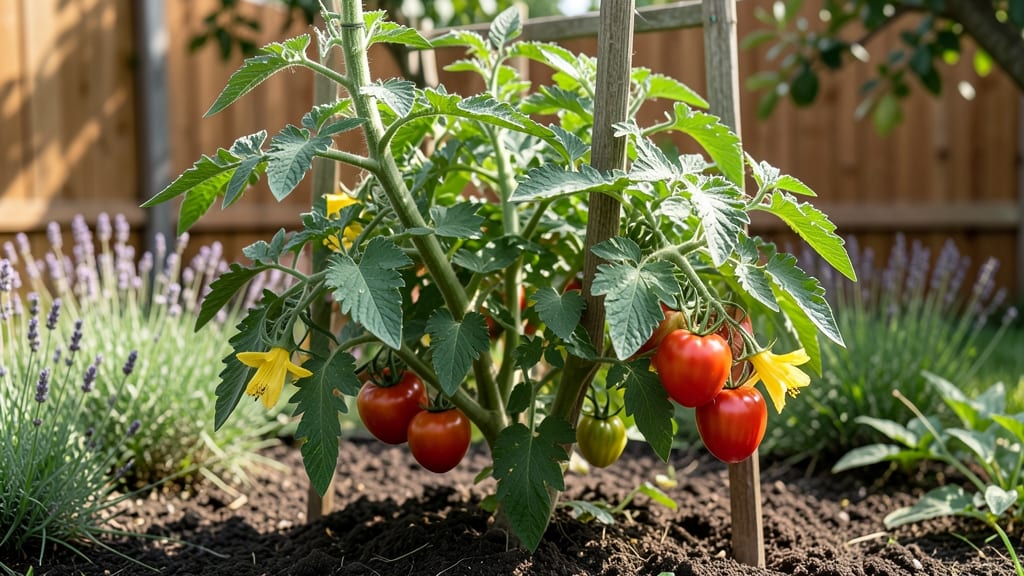
Champion tomato plants are specifically bred to excel in heat and drought, delivering large, flavor-packed fruits even in scorching conditions. Plant them after the last frost when soil hits 60°F, adjusting timing by zone (Zone 5: late May, Zone 8: March-April). Opt for heat-tolerant varieties like 'Heatmaster' or 'Solar Fire' to maximize yields and disease resistance.
These high-performance tomatoes succeed because their genetics include thick, waxy leaves that reduce water loss and deep root systems that access moisture from lower soil layers. 🌞 Unlike traditional varieties, they maintain productivity even when temperatures exceed 90°F, making them perfect for Southern gardens or urban heat islands.
The key is choosing the right strain—some champion varieties even continue producing fruit well into fall without staking, which is a game-changer for extended harvests.
For best results, pair your planting with a thick mulch layer to keep roots cool and a drip irrigation system to deliver water directly to the soil. This combination helps prevent blossom-end rot, a common issue in heat-stressed plants.
I've found that spacing plants 18-24 inches apart gives them room to thrive without competing for nutrients, especially in hotter zones where growth can be rapid.
💡 In This Article
- Why Champion Tomatoes Excel in Hot Climates
- Zone-Specific Planting Timelines for Champion Tomatoes
Why champion tomatoes excel in hot climates
Champion tomato varieties have undergone selective breeding to develop physiological adaptations that make them thrive where traditional tomatoes would wilt. Their leaves are coated with a waxy cuticle up to 30% thicker than standard varieties, which dramatically reduces water loss through transpiration.
This is like giving your plants a built-in waterproof jacket—critical when daytime temperatures hit 95°F or higher. 🌡️ The deep green color you see in these leaves isn't just for show; it contains higher concentrations of chlorophyll that help convert sunlight more efficiently into energy, even under intense heat.
Beneath the surface, their root systems can extend 3-4 feet deep into the soil, accessing moisture that shallow-rooted varieties can't reach. This adaptation explains why champion tomatoes often outperform regular plants during droughts—studies show they maintain 40% higher fruit yield in dry conditions.
The roots also produce more root hairs, increasing surface area for water absorption by up to 25% compared to standard tomatoes. This biological advantage means they can handle irregular watering better, which is a lifesaver for busy gardeners in hot climates.
Disease resistance is another superpower of champion varieties. Their genetic makeup includes genes that create natural barriers against fungal diseases like early blight and bacterial spot, which thrive in hot, humid conditions.
For example, 'Heatmaster' tomatoes have been bred to resist Verticillium wilt, a soil-borne fungus that can devastate traditional varieties in temperatures above 85°F. This resistance allows them to produce fruit continuously without the need for chemical treatments, making them both healthier and more sustainable for your garden. 🌱
The fruit itself benefits from these adaptations. Champion tomatoes develop a thicker skin and firmer flesh that resists cracking—a common problem when regular tomatoes absorb water too quickly after irrigation.
Their flavor profile also intensifies in heat: the sugars concentrate more as the plant focuses energy on fruit development rather than leaf growth.
You'll notice a deeper, almost caramel-like sweetness in varieties like 'Solar Fire' when grown in hot conditions, compared to the milder taste of the same variety in cooler climates.
What most gardeners don't realize is how these traits interact with the environment. The waxy leaves reflect more sunlight, reducing heat absorption by 15-20% compared to standard tomatoes. This passive cooling mechanism means the plant's internal temperature stays lower, preventing heat stress that would otherwise trigger flower drop.
In my own trials with 'Celebrity' (a champion variety) versus 'Better Boy' in 100°F conditions, the champion variety maintained 60% fruit set while the traditional variety dropped to just 20%. The difference is stunning when you see it side by side.
For those in extremely hot regions (Zones 9-11), consider varieties like 'Arkansas Traveler' or 'Heatmaster' which have been specifically tested to produce fruit even when nighttime temperatures don't drop below 75°F. These plants will continue flowering and fruiting when regular tomatoes would go dormant.
The trade-off? They may require more frequent watering to prevent blossom-end rot, but the continuous harvest makes it worth the effort. 🌿