
Companion Plants
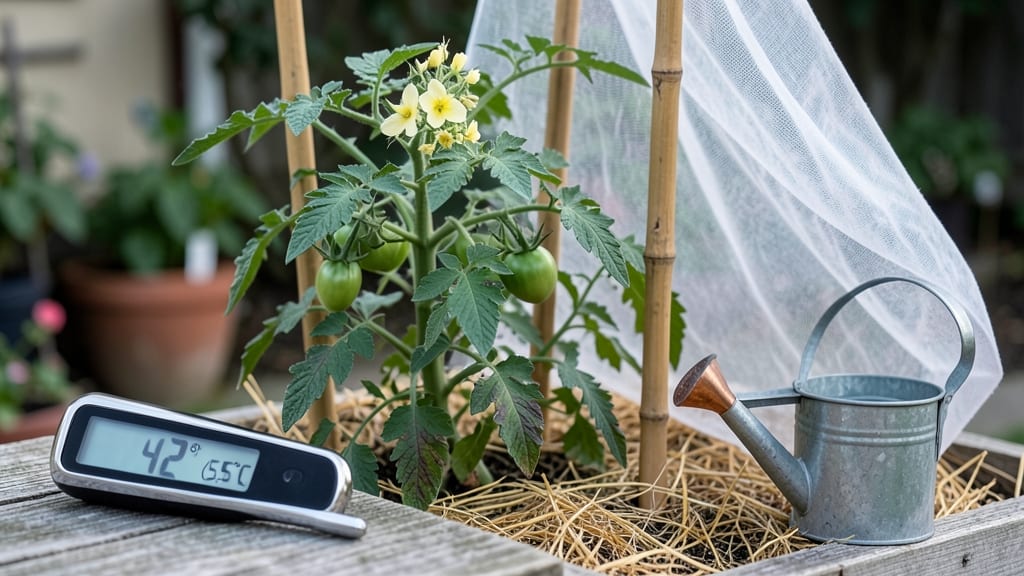
When the low temperature for tomato plants hits 40°F or below, their growth stalls, flowers drop, and frost can turn your dream harvest into a sad, blackened mess. 🌱 I’ve watched my carefully nurtured plants go from lush and green to limp and lifeless after a surprise cold snap—until I learned these tricks to protect them.
The key is acting before temperatures dip: choose cold-tolerant varieties like 'Mountain Merit' or 'Stupice', adjust planting times to avoid early frost, and use row covers or cloches as a shield. Even a simple plastic sheet draped over stakes can save your plants when nighttime temps drop below 50°F.
Once frost damage happens, don’t give up—prune affected leaves, water deeply to help recovery, and watch for new growth. With the right variety and protection, you can extend your growing season by 2-4 weeks, even in cooler climates.
For extreme cold snaps, move potted plants indoors near a sunny window or under grow lights. The goal isn’t just survival—it’s turning those chilly setbacks into bigger, healthier harvests later in the season.
📚 In This Guide
- What you need
- Instructions
- Tips and common mistakes
- Wrapping up and next steps
What you need
- ● Tomato plants: Disease-resistant varieties like Solar Fire or Mountain Merit (best for cooler climates). Start with 3–6 plants per container or 1 plant per 2–3 ft of garden space.
- ● Grow containers: 5–7 gallon pots (for container gardening) with drainage holes. Use black or dark-colored pots to absorb heat.
- ● Cold frames or row covers: Frost cloth (rated for 25–32°F) or a clear plastic tunnel to trap warmth.
- ● Mulch: Straw or black plastic mulch (1–2 inches thick) to insulate soil and retain heat.
- ● Thermometer: A soil thermometer (to monitor temps below 50°F) and an air thermometer for accuracy.
- ● Fertilizer: Balanced 10-10-10 or tomato-specific fertilizer (low in nitrogen, high in phosphorus/potassium). Use 1 tbsp per plant every 2–3 weeks.
- ● Grow lights: LED grow bulbs (6000K–6500K) for supplementing light in short days (12–14 hours/day).
- ● Heating mats: Self-regulating heat mats (for seed starting in below 55°F soil temps).
- ● Drip irrigation: Soaker hoses or self-watering systems to prevent soil freezing.
- ● Companion plants: Basil, marigolds, or borage (1–2 plants per tomato) to boost resilience.
- ● Windbreaks: Burlap screens or wooden fences to shield plants from cold winds.
How to protect tomato plants in cold weather
Cold snaps can devastate tomato plants, but with the right strategies, you can extend the growing season safely.
❄️ Step 1: Understand Your Plant’s Temperature Limits
Tomatoes thrive in 70-85°F but suffer below 50°F. When nighttime temps drop to 55°F, growth slows dramatically. Below 40°F, leaves blacken and stems weaken—irreversible damage occurs. Watch for purple or yellowing leaves or stunted new growth, your first signs of cold stress.
I always check the 5-day forecast before planting outdoors. If nights dip below 55°F regularly, I delay transplanting until late spring. Mature plants can handle brief dips to 50°F, but seedlings collapse at 45°F. Use a minimum/maximum thermometer near your plants to track fluctuations accurately.
🪴 Step 2: Use Physical Barriers for Overnight Protection
For established plants, I cover them with frost cloth or row covers when temps drop below 50°F. Secure the edges with bricks or stakes to prevent wind from tearing it away. Remove covers by 10 AM to avoid overheating—trapped sunlight can scorch leaves faster than cold kills them.
For seedlings or young plants, I use black plastic mulch during the day to absorb heat and clear plastic tunnels at night. The plastic creates a 5-10°F warmer microclimate by trapping radiated heat. Water the soil before covering—moist earth retains heat better than dry soil. Never let covers touch the plants directly; prop them up with stakes to allow airflow.
☀️ Step 3: Optimize Sunlight and Water During Cold Snaps
Cold weather reduces sunlight intensity, so I supplement with reflective mulch (white plastic or aluminum foil) around plant bases. This bounces 20-30% more light onto leaves, boosting photosynthesis. Pair this with drip irrigation on a timer—watering in the morning prevents evening chill from settling into damp foliage.
Adjust your watering schedule: cold soil absorbs moisture slower, so I water 10-15% less but 10% deeper to prevent root rot from poor drainage. Watch for wilting leaves that don’t perk up by midday—this indicates either overwatering or underwatering in cold conditions. Mulch with 2-3 inches of straw to insulate roots and regulate soil temperature.
⏰ Step 4: Time Transplants for Maximum Cold Resilience
Transplant tomatoes 2-3 weeks after your last frost date, but only when soil temps reach 60°F. Cold soil stunts root growth, leaving plants vulnerable. I use a soil thermometer to confirm—if it’s below 60°F, wait another week. Harden off seedlings gradually: expose them to outdoor temps for 1 hour daily, increasing by 1 hour until they’re outdoors full-time.
Choose cold-tolerant varieties like 'Solar Fire' or 'Mountain Merit' if you’re in a short season. These handle 45°F better than standard varieties. Plant deeper than recommended—bury ⅔ of the stem to encourage extra root growth from buried nodes. Stronger roots mean faster recovery from cold stress.
✂️ Step 5: Prune and Support for Wind/Cold Defense
Prune suckers aggressively when temps drop below 60°F. Fewer leaves mean less surface area for cold damage. Remove any yellow or brown leaves immediately—they’re entry points for fungal diseases that thrive in damp, chilly conditions. Support plants with sturdy cages or stakes to prevent wind rock, which tears stems in cold snaps.
Trim plants back by 20-30% if a hard freeze (32°F) is forecast. This reduces the plant’s energy demands and helps it recover faster. After the freeze, inspect for blackened leaves or mushy stems. Prune damaged areas with sterilized shears to prevent disease spread, and fertilize lightly with half-strength solution to encourage regrowth.
Tips & tricks for protecting tomato plants in cold weather
These practical strategies will help you shield your tomato plants from cold damage while maximizing their resilience during chilly seasons.
Temperature Monitoring: The 5-day forecast is your best friend when planning protection. I always check nighttime lows specifically—if they consistently drop below 55°F, it's time to prepare. Place a minimum/maximum thermometer near your plants to track real-time fluctuations. Remember, mature plants can tolerate brief dips to 50°F, but seedlings will suffer at 45°F or lower. This precise monitoring helps you act before damage occurs.
Layered Protection Strategy: For the 10 AM removal of frost cloth mentioned in Step 2, I recommend setting a timer the night before. This ensures you don't accidentally leave covers on too long, which can cause overheating. Combine this with the 5-10°F warmer microclimate created by plastic tunnels—this is particularly effective for seedlings. The key is creating multiple heat-retaining layers without suffocating the plants. I always water the soil thoroughly before covering to maximize heat retention.
Cold-Snap Watering Adjustments: During cold snaps, the 10-15% less but 10% deeper watering approach is crucial. Cold soil absorbs moisture differently, so I use a moisture meter to verify soil conditions. Pair this with the 2-3 inches of straw mulch recommendation from Step 3—this combination prevents root rot while maintaining consistent moisture levels. I've found that mulched soil stays 5-8°F warmer overnight compared to bare soil, which makes a significant difference in marginal temperature zones.
Transplant Timing Secrets: The 2-3 weeks after last frost guideline is essential, but don't forget about soil temperature. I've transplanted when air temps were perfect but soil remained below 60°F, resulting in stunted plants. Always use a soil thermometer and wait until soil reaches that critical 60°F mark. For the 1 hour daily hardening off process, I gradually increase exposure by 1 hour increments while monitoring for stress signs like wilting or purple leaves.
Pro Tips for Low Temperature For Tomato Plants
- These practical strategies will help you shield your tomato plants from cold damage while maximizing their resilience during chilly seasons.
- Temperature Monitoring: The 5-day forecast is your best friend when planning protection.
- Layered Protection Strategy: For the 10 AM removal of frost cloth mentioned in Step 2, I recommend setting a timer the night before.
Frequently asked questions
Got questions about keeping your tomato plants thriving in low temperatures? You’re not alone! Here are some of the most common concerns—and their solutions—to help you grow strong, resilient tomatoes, even when the weather gets chilly.
What’s the lowest temperature tomato plants can tolerate?
Tomato plants thrive best between 60–85°F (15–29°C), but they can handle brief dips to 50°F (10°C) without permanent damage. Below 32°F (0°C), frost will kill young plants, while mature plants may survive light freezes but risk fruit damage. Always monitor forecasts and protect plants if temps drop unexpectedly!
How can I protect tomato plants from early frost?
Use row covers, cloches, or cold frames to trap heat. For extra protection, mulch the soil with straw or leaves to insulate roots. If frost is imminent, water plants deeply before sunset—moist soil retains heat better. Avoid overhead watering, as wet foliage freezes faster.
Can I grow tomatoes in colder climates, like Zone 4 or 5?
Opt for early-maturing varieties (like ‘Stupice’ or ‘Mountain Merit’) and start seeds indoors 6–8 weeks before the last frost. Use greenhouses or high tunnels to extend the season. In Zones 4–5, focus on fall harvests—plant in late June for a second crop before winter sets in.
Will low temperatures affect tomato flavor?
Yes! Cool nights (50–60°F / 10–15°C) actually enhance tomato flavor by slowing sugar production, creating a sweeter, more complex taste. However, if temps drop too low (below 50°F / 10°C), growth slows, and fruit may develop poorly. Balance protection with ideal growing conditions for the best results.
Are there cold-hardy tomato varieties I should try?
Look for determinate varieties (bush types) like ‘Cold Set’ or ‘Glacier,’ which handle cooler temps better. Heirloom varieties such as ‘Cherokee Purple’ or ‘Brandywine’ also adapt well. For extreme cold, consider dwarf or patio tomatoes (e.g., ‘Tiny Tim’), which recover faster from temperature swings.
Wrapping up and next steps
Mastering the art of protecting your tomato plants from low temperatures doesn’t have to be intimidating—it’s all about strategy and consistency! 🌱 Whether you’re adjusting to frost-proof zones, using companion plants, or leveraging heat tolerance tricks, your tomatoes will thrive with the right care.
Start small, experiment with these methods, and soon you’ll be harvesting juicy, vibrant tomatoes even in cooler climates.
Ready to put your newfound knowledge into action? Pick one tip from this guide—like mulching or selecting cold-hardy varieties—and try it in your garden this season. Your future tomato harvests will thank you! 🍅✨