
Vegetables
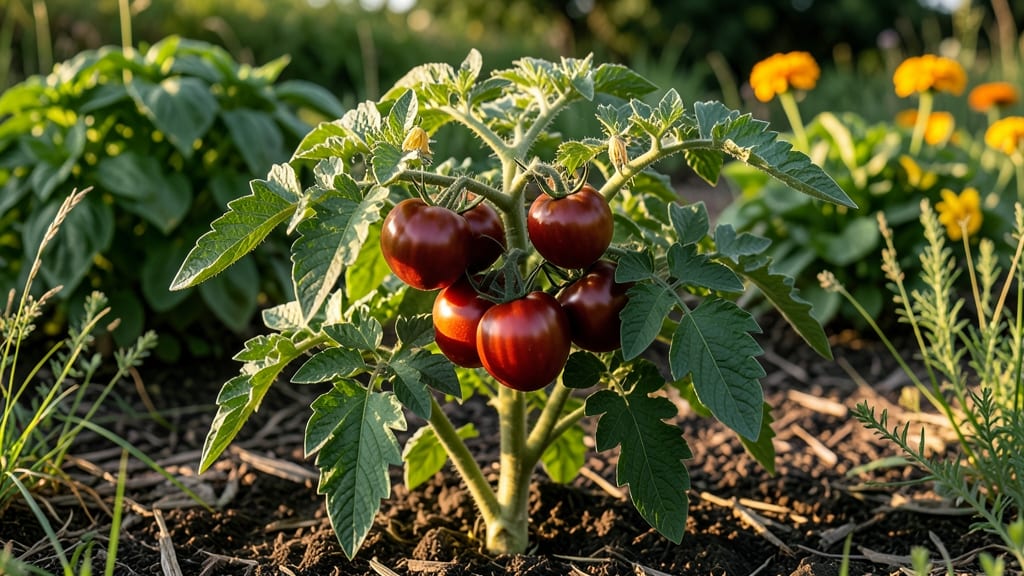
Choosing between determinate and indeterminate Cherokee Purple tomatoes changes everything about your harvest—one gives you a single glorious feast, while the other delivers steady rewards all season. 🌱 I learned this the hard way after planting both types side by side and realizing how dramatically their growth habits shape your garden experience.
The determinate variety stays compact, perfect for small spaces, while the indeterminate climbs like a vine, needing more room but producing fruit until frost.
Determinate plants top out around 3-4 feet tall and fruit all at once, making them ideal for canning or selling at farmers' markets. Indeterminate types, though, can grow 6-10 feet tall with vines sprawling outward, requiring sturdy cages or trellises.
This means you'll pick tomatoes continuously from summer until hard frost, but you'll need to train the vines and prune regularly to keep them productive. My determinate bush gave me 20 pounds of tomatoes in 3 weeks, while the indeterminate plant kept producing 5 pounds weekly for two months.
The care differences are just as striking: determinate varieties need minimal pruning—just remove suckers and dead leaves—while indeterminate plants thrive with regular pruning to direct energy upward.
Determinate types also handle crowding better, making them perfect for raised beds or containers, whereas indeterminate plants need wide spacing (at least 3 feet between plants) to avoid disease. The trade-off?
Indeterminate plants often yield more total tomatoes over the season, but you'll need to monitor for pests and diseases like blight, which love the dense foliage.
If you're working with limited space, go determinate. If you want a steady supply and don’t mind the extra work, choose indeterminate. Both types of Cherokee Purple tomatoes deliver that rich, meaty flavor you love, but their growth habits will shape your entire gardening strategy—from spacing to harvest planning.
Here’s how to make the most of either choice in your garden.
📚 In This Guide
- What you need
- Instructions
- Tips and common mistakes
- Wrapping up and next steps
What you need
- ● Seeds or seedlings: 3–5 Cherokee Purple tomato plants (choose determinate for bush growth or indeterminate for vining).
- ● Containers or garden bed: For determinate varieties: 5-gallon pots or raised beds (12–18" deep).
- ● For indeterminate varieties: 5–7-gallon pots or trellises/stakes (6+ ft tall).
- ● Potting mix: 1–2 bags of high-quality, well-draining organic soil (e.g., Miracle-Gro or homemade blend with compost).
- ● Fertilizer: Balanced organic fertilizer (e.g., 5-5-5 or tomato-specific formula like Dr. Earth).
- ● Support system: Determinate: Cages or stakes (4–5 ft tall).
- ● Indeterminate: Trellis, tomato cages (7+ ft), or bamboo stakes.
- ● Mulch: Straw or shredded leaves (2–3 inches thick) to retain moisture.
- ● Watering can or hose: With a gentle spray nozzle.
- ● Pruning shears for indeterminate varieties.
- ● Drip irrigation kit for consistent watering.
- ● Row covers or shade cloth (if growing in hot climates).
- ● Soil pH test kit (ideal range: 6.0–6.8).
- ● Compost tea or fish emulsion for extra nutrients.
Determinate vs indeterminate Cherokee Purple tomatoes: how to choose and grow
Here's how to pick the right Cherokee Purple variety for your garden—and why growth habit matters so much.
🌱 Step 1: Understand the Growth Habit Differences
The Cherokee Purple tomato comes in two distinct growth patterns: determinate (bush-type) and indeterminate (vining). Determinate varieties grow to a fixed height—typically 3-4 feet tall—and produce fruit all at once, making them perfect for canning or fresh harvests in a single season. These plants naturally stop growing once they flower, creating a compact, self-contained shape that’s ideal for containers or small spaces.
Indeterminate Cherokee Purple vines, on the other hand, keep growing 6-10 feet tall (or more with support) and produce fruit continuously throughout the season. This means you’ll enjoy tomatoes from early summer until frost, but you’ll need sturdy stakes, cages, or trellises to support the sprawling vines. Indeterminate types are better suited for large gardens or vertical growing systems.
☀️ Step 2: Match Your Garden Space to the Variety
If you’re working with limited space, determinate Cherokee Purple is your best bet. These plants thrive in 5-gallon containers or small garden beds, making them perfect for patios, balconies, or urban gardens. You’ll get a concentrated harvest over 2-3 weeks, so plan to process or enjoy your tomatoes quickly. I’ve grown them in 8-inch pots with great success—just ensure the container has drainage holes to prevent root rot.
For larger gardens or vertical growing, indeterminate Cherokee Purple will reward you with a prolonged harvest. Install a 6-8 foot tall tomato cage or a sturdy trellis system to support the vines. Prune suckers (the small shoots that form in the leaf axils) regularly to encourage stronger fruit production and better air circulation. This variety is ideal if you love the idea of picking ripe tomatoes every few days until the first frost.
🪴 Step 3: Plant for Optimal Fruit Production
Both varieties need full sun—at least 6-8 hours daily—and well-draining soil with a pH of 6.0-6.8. Cherokee Purple tomatoes thrive in loamy, fertile soil rich in organic matter. Before planting, mix in 2-3 inches of compost or aged manure to provide essential nutrients. I like to add a balanced, slow-release fertilizer (like 10-10-10) at planting time to give the plants a strong start.
Determinate plants should be spaced 18-24 inches apart in rows that are 3 feet apart, while indeterminate varieties need 24-36 inches between plants and 4 feet between rows to accommodate their sprawling growth. If growing in containers, use one plant per 5-gallon pot to prevent overcrowding. Water deeply once a week, aiming for 1-1.5 inches of water per week, and avoid wetting the leaves to reduce disease risk.
✂️ Step 4: Prune and Support for Maximum Yield
Determinate Cherokee Purple plants require minimal pruning—just remove any yellow or diseased leaves to keep airflow strong. These plants are naturally bushy, so focus on thinning fruit clusters to 5-6 tomatoes per truss to prevent overburdening the plant. This ensures larger, healthier fruit and reduces the risk of cracking.
Indeterminate varieties need regular pruning to manage their size and direct energy toward fruit production. Remove suckers (the shoots that grow between the main stem and branches) when they’re 2-3 inches long to encourage stronger growth. Install stakes or cages early—before the plant gets too heavy—to provide support. I tie the main stem to the stake every 12 inches using soft plant ties to prevent wind damage.
🍅 Step 5: Harvest and Enjoy at Peak Ripeness
Determinate Cherokee Purple tomatoes ripen all at once, so be ready to harvest within a 2-3 week window. Look for tomatoes that are deep purple-black with a rich, meaty texture—these are the hallmarks of a ripe Cherokee Purple. Harvest in the morning when the fruit is cool and firm. Determinate varieties are perfect for sauces, salsas, or fresh eating, as their concentrated harvest makes them ideal for preserving.
Indeterminate varieties produce fruit continuously until frost, so check your plants every 2-3 days for ripe tomatoes. Pick them when they’re fully colored and slightly soft to the touch. Indeterminate Cherokee Purples are fantastic for slicing, salads, or juicing because their prolonged harvest ensures a steady supply. Store unripe tomatoes in a cool, dark place (like a paper bag) to finish ripening indoors.
Tips & tricks for growing Cherokee Purple tomatoes
Between us, choosing the right Cherokee Purple variety can make or break your harvest—here's what I've learned after years of growing both types.
Sunlight Strategy: While both varieties need that 6-8 hours of full sun daily, indeterminate vines actually thrive with morning sun and afternoon shade in hot climates. I've noticed determinate plants can handle more direct afternoon sun, but watch for sunburn on ripe fruit—especially those deep purple skins. A simple shade cloth over the hottest hours can make all the difference during peak summer.
Container Hack for Determinate Plants: When growing determinate Cherokee Purples in 5-gallon containers, I've found adding a handful of perlite to the soil mix prevents compaction and improves drainage. This is crucial because container-grown plants dry out faster than in-ground ones—check soil moisture every 2-3 days rather than weekly. The 8-inch pots mentioned work, but I've had better luck with 10-inch pots for their slightly larger root systems.
Support System for Indeterminate Vines: The 6-8 foot tall tomato cages work, but I've switched to wooden stakes with soft plant ties for indeterminate varieties. This gives me better control over vine direction and prevents the cages from collapsing under heavy fruit loads. Install stakes at planting time—don't wait until the vines are heavy! I also weave twine between stakes to create a trellis effect for better air circulation around the fruit.
Harvest Timing for Maximum Flavor: For determinate varieties, I harvest at the 2-3 week window when about 80% of tomatoes are ripe. The remaining green ones will ripen indoors in a paper bag with a ripe banana for ethylene gas. With indeterminate plants, I've found harvesting every 2-3 days actually encourages more fruit production—don't let tomatoes stay on the vine past their prime, as they'll crack or develop mealy centers.
Pro Tips for Cherokee Purple Tomato Determinate Or Indeterminate
- Between us, choosing the right Cherokee Purple variety can make or break your harvest—here's what I've learned after years of growing both types.
- Sunlight Strategy: While both varieties need that 6-8 hours of full sun daily, indeterminate vines actually thrive with morning sun and afternoon shade in hot climates.
- Container Hack for Determinate Plants: When growing determinate Cherokee Purples in 5-gallon containers, I've found adding a handful of perlite to the soil mix prevents compaction and improves drainage.
Frequently asked questions
Got questions about Cherokee Purple tomatoes and their growth habits?
You’re not alone! Here are the most common queries—plus clear, actionable answers to help you grow the best tomatoes of the season.
Is the Cherokee Purple tomato determinate or indeterminate?
The Cherokee Purple is a heirloom variety that can be found in both determinate and indeterminate forms. Determinate types grow in compact bushes (ideal for containers or small spaces), while indeterminate varieties climb and produce fruit all season. Always check the seed packet or breeder’s notes to confirm!
When should I plant Cherokee Purple tomatoes for the best yield?
For determinate Cherokee Purples, plant seeds 6–8 weeks before your last frost (or transplant seedlings after soil warms to 60°F+). Indeterminate types need a longer season—start them 8–10 weeks early or opt for transplants. In cooler climates, use row covers to extend the season!
Can I grow Cherokee Purple tomatoes in containers? If so, which type works best?
Determinate Cherokee Purples
are your best bet for containers! Choose a 5-gallon pot or larger with drainage holes and support (like a cage or trellis). Indeterminate types need more space (10+ gallons) and may struggle in tight quarters. Pro tip: Use a lightweight potting mix and fertilize weekly for container success!
Why aren’t my Cherokee Purple tomatoes ripening—even though the plants look healthy?
Common culprits include cool nights (below 55°F), lack of sunlight (<6 hours/day), or overwatering (which delays ripening). For determinate types, also check if they’re overcrowded—prune lower leaves to improve airflow. If indeterminate, ensure they’re properly staked and not stressed by pests.
What’s a good alternative if I want a similar tomato but with a different growth habit?
If you love Cherokee Purple’s flavor but need a different habit:
- Determinate: Try Brandywine or Black Krim (both bushy and meaty).
- Indeterminate: Sungold (sweet, prolific) or Black Cherry (vining, snackable).
- Heat-tolerant: Solar Fire (indeterminate) or Mountain Merit (determinate).
Pro tip: All three categories offer heirloom or hybrid options—pick based on your climate and space!
Wrapping up and next steps
Choosing between determinate and indeterminate Cherokee Purple tomatoes comes down to your garden goals and space! Determinate varieties thrive in tight spaces with a single harvest, while indeterminate plants offer continuous yields and vining freedom. Both are heirloom gems—so pick what fits your style! 🌱
Ready to grow? Start with seeds or seedlings this season, and don’t forget to stake or cage your plants for support. Happy gardening—and may your tomatoes be juicy, rich, and bountiful! 🍅✨