
Vegetables
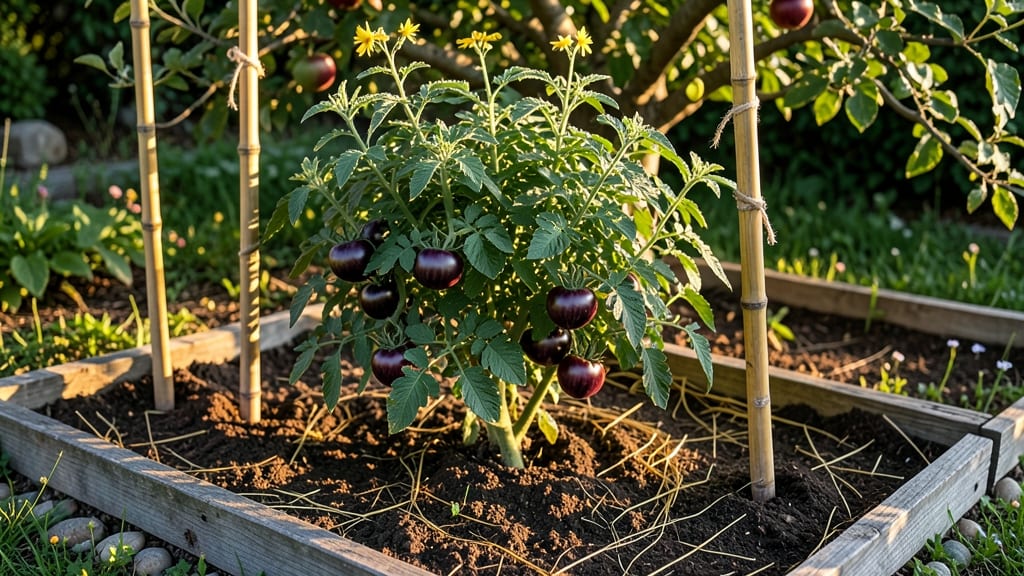
Choosing between determinate and indeterminate Cherokee tomatoes changes everything about your harvest. 🌱 I learned the hard way—planting indeterminate in a small container meant tiny tomatoes and frustrated pruning, while determinate in the same space gave me a summer of juicy, reliable fruit.
The difference isn't just growth habit; it's about space, timing, and how much work you want to put in.
Determinate Cherokee tomatoes grow in compact bushes, producing fruit all at once over 2-3 weeks—perfect for canning or early harvests. Indeterminate varieties climb and produce continuously until frost, but they need strong trellises and regular pruning to keep them from flopping.
If you're short on space, determinate wins; if you want tomatoes all summer, indeterminate delivers—but only if you're ready to train them.
Here's the game-changer: determinate plants thrive in containers as small as 5 gallons, while indeterminate need 10+ gallons and vertical support. Swap determinate for indeterminate in a raised bed, and you'll spend hours tying up vines instead of enjoying your garden.
The right choice depends on your goals—early bounty, continuous harvest, or minimal maintenance.
For small gardens or containers, determinate Cherokee tomatoes are the foolproof pick. Want tomatoes until October? Go indeterminate—but only if you're ready to prune and stake like a pro. Either way, you'll end up with flavor-packed fruit that makes every bite worth the planning.
Genetics Drive Growth Patterns
Understanding why Cherokee tomatoes grow as determinate or indeterminate varieties comes down to their genetic blueprint. These growth habits aren’t random—they’re hardwired into the plant’s DNA. Here’s why:
Cherokee tomatoes inherit their growth habit from their parent plants, just like humans inherit eye color. Determinate varieties (like Cherokee Purple) have genes that trigger a natural growth limit—they produce a compact bush with a single flush of fruit, then stop growing upward.
This trait is often linked to self-pruning genes, which signal the plant to focus energy on fruit production rather than vertical growth.
Indeterminate varieties (like Cherokee Chocolate), on the other hand, carry genes that suppress this self-pruning signal. Instead, they keep growing taller and producing new leaves and flowers indefinitely (or until frost kills them).
This continuous growth is driven by auxin hormones, which promote cell elongation and lateral branching.
Actionable takeaway: If you’re breeding tomatoes or selecting seeds, look for labels or pedigree info—determinate traits are often marked as "bush" or "compact," while indeterminate types may be labeled "vining" or "trailing."
While genetics set the stage, environmental factors can influence how strongly a plant expresses its determinate or indeterminate tendencies. For example:
- Day length (photoperiod): Some determinate varieties are day-neutral, meaning they’ll flower and fruit regardless of daylight hours.
Others may be slightly influenced by shorter days, which can accelerate flowering in determinate types. - Temperature fluctuations: Cool nights (below 60°F/15°C) can slow indeterminate growth temporarily, while warm days (above 80°F/27°C) may cause determinate plants to bolt (flower prematurely) if stressed. - Pruning or stress: If you heavily prune an indeterminate Cherokee tomato, it may produce a more bush-like growth habit as a survival response.
Conversely, determinate plants left unpruned may sprawl slightly due to overcrowded foliage.
Pro tip: 🌡️ Monitor your microclimate—if your garden swings between hot days and cool nights, indeterminate varieties might grow more erratically. Use shade cloth or mulch to stabilize conditions.
Many Cherokee tomato varieties are heirlooms, meaning they’ve been selectively bred for specific traits over generations. However, if you’re growing from saved seeds or hybrid mixes, the growth habit can become less predictable. Here’s why:
- Hybrid vigor: Some hybrids combine determinate and indeterminate traits, leading to semi-determinate plants (taller than bush types but not as sprawling as true indeterminates).
These may produce multiple flushes of fruit but still have a finite growth cycle. - Seed purity: If seeds are mixed or from an open-pollinated indeterminate parent, you might end up with a patchwork of growth habits in your garden.
For consistency, stick to certified organic seeds labeled for determinate or indeterminate traits.
Key insight: 🌱 Save seeds from stable plants—if you want to preserve a determinate Cherokee Purple, only collect seeds from the most compact, uniform bushes. Indeterminate types should come from the tallest, most productive vines.
Believe it or not, root health and soil quality can subtly influence how determinate or indeterminate a tomato acts. Poor soil or root stress can cause:
- Determinate plants to sprawl: If a bush-type Cherokee tomato struggles to anchor itself (due to shallow roots or compacted soil), it may stretch outward to access nutrients, mimicking indeterminate sprawl.
- Indeterminate plants to bolt early: Nutrient deficiencies (like low phosphorus) or overcrowded roots can trigger premature flowering in indeterminate varieties, making them act more like determinate types.
Fix it fast: 💡 Amend soil with compost before planting and use mycorrhizal fungi to boost root networks. For container-grown Cherokee tomatoes, ensure pots are at least 18 inches deep to prevent root bind stress.
Stress from diseases (like early blight or fusarium wilt) or pests (hornworms, aphids) can force a tomato plant to alter its growth pattern as a survival mechanism.
- Determinate plants under attack may stop growing entirely and focus all energy on fruit production, sometimes leading to smaller yields but earlier ripening.
- Indeterminate plants might shed leaves and flowers to redirect resources, causing them to grow in short, stunted bursts instead of their usual steady climb.
Preventative tip: 🛡️ Rotate crops and use resistant varieties (like disease-tolerant Cherokee hybrids) to reduce stress. For pests, handpick caterpillars and apply neem oil as a preventative barrier.
Even within the same variety, a Cherokee tomato’s growth habit can shift over time:
- Young seedlings: Both determinate and indeterminate types start similarly—with a single stem and true leaves. Determinate plants will develop lateral branches early, while indeterminates keep elongating. - Flowering phase: Determinate plants flower all at once (a "terminal bloom"), while indeterminates produce continuous side shoots with flowers.
If you prune an indeterminate plant too late, it may act determinate-like by focusing on lower fruit. - Fruit load: Heavy fruit production (especially in determinate types) can stunt further growth as the plant diverts energy to ripening.
Growth hack: ⏰ Prune indeterminate Cherokee tomatoes early (when plants are 12–18 inches tall) to encourage bushier growth. For determinate types, remove suckers to prevent overcrowding and improve air circulation.
Fixing Cherokee Tomato Growth Issues
Once you’ve identified whether your Cherokee tomatoes are growing determinate or indeterminate—and why they might be struggling—it’s time to take action. Below are practical, step-by-step solutions tailored to common problems, along with prevention tips to keep your plants thriving. 🌱🍅
Cause: Determinate varieties (like some Cherokee heirlooms) may struggle in extreme heat, slowing growth or causing blossom drop.
Fix It:
- 🌿 Provide Shade Cloth: Install 30-50% shade cloth over plants during peak afternoon sun (1–4 PM). This cools the foliage and prevents sunscald on fruits.
- 💧 Deep Watering: Water deeply in the early morning (6–8 AM) to reduce stress. Aim for 1–1.5 inches per week, including rainfall.
- 🍃 Mulch Heavily: Use straw or wood chips (2–3 inches thick) to insulate roots and retain moisture. Avoid plastic mulch—it traps heat.
- 🌱 Adjust Planting Time: For indeterminate Cherokee varieties, start seeds 4–6 weeks earlier in cooler climates or plant in late spring to avoid summer heatwaves.
Prevent It: ✨ Choose Heat-Tolerant Varieties: If your region has scorching summers, opt for heat-resistant Cherokee hybrids or determinate types bred for shorter seasons. ✨ Prune Strategically: For indeterminate plants, prune suckers and lower leaves to improve airflow and reduce heat buildup in the canopy.
Cause: Cherokee tomatoes (both determinate and indeterminate) need rich, well-draining soil with consistent nutrients. Compacted or nutrient-poor soil stunts growth.
Fix It:
- 🔄 Test Your Soil: Use a DIY soil test kit (or send a sample to a local extension office) to check pH (ideal: 6.0–6.8) and nutrient levels.
- 🍄 Amend the Soil:
- For Determinate Plants: Mix in compost + aged manure (5–10 gallons per plant) at planting.
- For Indeterminate Plants: Add a balanced fertilizer (10-10-10) at planting, then switch to low-nitrogen, high-phosphorus (5-10-10) when flowers appear.
- 💧 Fertilize Mid-Season: Side-dress with fish emulsion or compost tea every 4–6 weeks to replenish nutrients.
- 🌱 Use Container Hacks: If growing in pots, choose 5-gallon containers with moisture-control mix (50% potting soil, 30% compost, 20% perlite).
Prevent It: 💡 Rotate Crops: Avoid planting tomatoes (or nightshades like peppers/eggplants) in the same spot yearly to prevent soil depletion. 💡 Top-Dress Regularly: Add a thin layer of compost around the base of plants monthly to feed roots gradually.
Cause: Determinate Cherokee tomatoes (with bushier growth) and indeterminate types are both vulnerable to aphids, hornworms, blight, or fusarium wilt.
Fix It:
- 🛡️ Physical Barriers:
- Row Covers: Use floating row fabric early in the season to block pests like flea beetles.
- Copper Tape: Wrap copper tape around stakes to deter slugs and earwigs.
- 🍅 Biological Controls:
- Handpick Hornworms (look for green caterpillars with white stripes) and drop them in soapy water.
- Release Ladybugs or Lacewings (available at garden centers) to combat aphids.
- 💊 Organic Sprays:
- Neem Oil: Spray every 7–10 days to prevent fungal diseases (follow label rates).
- Baking Soda Mix: For powdery mildew, spray 1 tsp baking soda + 1 quart water + few drops of soap.
- 🌱 Remove Infected Plants: If blight or wilt appears, pull and destroy affected plants immediately to prevent spread.
Prevent It: 🔥 Plant Companion Crops: Interplant Cherokee tomatoes with basil, marigolds, or onions to repel pests naturally. 🔥 Rotate Varieties: Alternate between determinate and indeterminate Cherokee types yearly to confuse pests and diseases.
Cause: Determinate varieties (compact bushes) and indeterminate vines both suffer when spacing is too tight or support is lacking.
Fix It:
- 📏 Correct Spacing:
- Determinate Cherokee: 24–36 inches apart in rows 3 feet apart.
- Indeterminate Cherokee: 18–24 inches apart with strong trellises or cages (at least 6 feet tall).
- 🪵 Install Support Early:
- Cages: Use 6-foot tomato cages for indeterminate types; secure with stakes if windy.
- Trellises: For heavy indeterminate vines, use wooden or metal trellises with soft ties (avoid wire that cuts stems).
- 🌿 Prune for Airflow:
- Determinate: Trim yellow leaves and suckers at the base to reduce crowding.
- Indeterminate: Prune suckers above the first flower cluster and lower leaves to improve airflow.
Prevent It: ✨ Start Small: If space is limited, grow determinate Cherokee in containers or raised beds. ✨ Use Dwarf Varieties: For small gardens, try ‘Cherokee Purple Bush’ (determinate) to save space.
Cause: Cherokee tomatoes (especially indeterminate) may bolt (flower too early) or fail to set fruit due to stress, temperature swings, or poor pollination.
Fix It:
- 🌡️ Control Temperature Swings:
- Avoid cold snaps (below 50°F/10°C) by using row covers at night.
- Prevent heat stress (above 90°F/32°C) with shade cloth or drip irrigation.
- 🐝 Boost Pollination:
- Hand-Pollinate: Gently tap flowers with a small stick or use a paintbrush to transfer pollen.
- Attract Bees: Plant bee-friendly flowers (like marigolds or borage) nearby.
- 🌱 Adjust Fertilizer: Switch to a phosphorus-heavy fertilizer (like 0-10-10) to encourage blooming.
Prevent It: 🎯 Plant at the Right Time: Sow seeds indoors 6–8 weeks before last frost for indeterminate types; direct-sow determinate after soil warms to 60°F (15°C). 🎯 Avoid Over-Fertilizing with Nitrogen: Too much nitrogen = leafy growth, no flowers. Use balanced or low-N fertilizers once flowering starts.
Frequently asked questions about Cherokee tomato growth habits
What’s the main difference between determinate and indeterminate Cherokee tomatoes?
Determinate Cherokee tomatoes grow as compact bushes and produce fruit all at once over 2-3 weeks, making them ideal for canning or early harvests. Indeterminate types grow continuously until frost, needing trellises and producing fruit throughout the season. Think of determinate as a "one-and-done" harvest, while indeterminate delivers a steady supply.
Can I grow Cherokee tomatoes in containers?
Determinate varieties thrive in 5-gallon containers or larger, while indeterminate types need 10+ gallons and vertical support. Use a lightweight potting mix with 20% perlite for drainage. Containers let you grow tomatoes on patios or balconies—just ensure pots get 6+ hours of sun daily.
How do I know if my Cherokee tomato plant is determinate or indeterminate?
Check the seed packet or plant label first. If unlabeled, observe growth: determinate plants develop lateral branches early and stop growing tall, while indeterminate types keep elongating with continuous side shoots. If you’re unsure, start with determinate—they’re more forgiving for beginners.
Do indeterminate Cherokee tomatoes need pruning?
Yes! Prune indeterminate types to remove suckers (shoots between main stem and branches) and lower leaves to improve airflow. This prevents disease and directs energy to fruit production. Skip pruning determinate varieties—they’re bred to be low-maintenance. Pro tip: Prune in the morning so wounds heal by evening.
Which Cherokee tomato type is better for small gardens?
Determinate Cherokee tomatoes win for small spaces—they stay compact and don’t require trellises. Indeterminate types sprawl and need 6+ feet of vertical space. For tiny gardens or containers, choose determinate varieties like ‘Cherokee Purple Bush.’ If you have vertical space, indeterminate types offer longer harvests but demand more care.