
Companion Plants
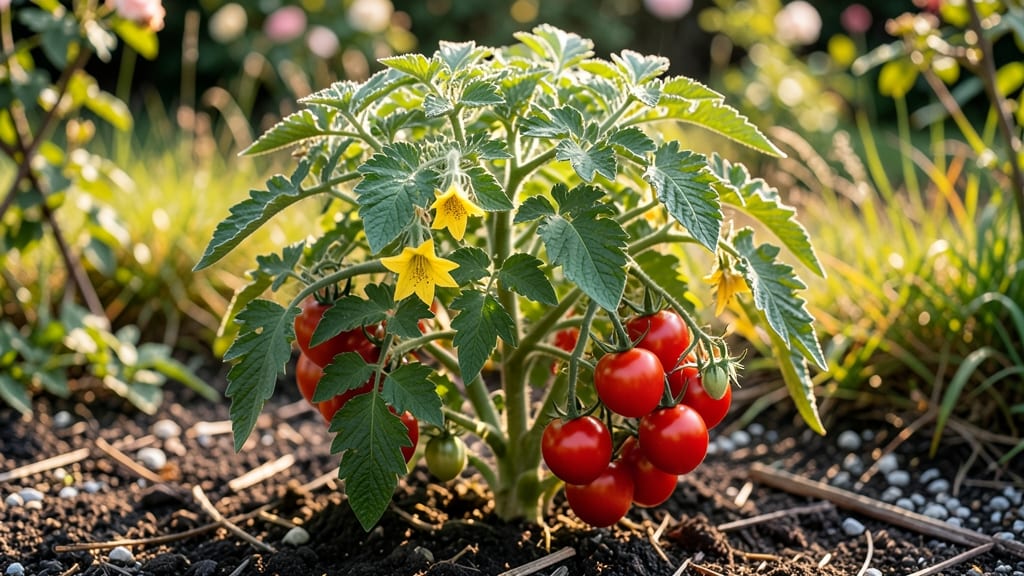
Growing Cherry Bomb tomato plants means explosions of flavor in just 55 days. 🌱 These pint-sized powerhouses pack the same sweet, tangy punch as their larger cousins but stay compact enough for balconies, windowsills, and tiny pots.
I’ve grown them in 5-gallon containers for years, and they’ve never disappointed—no sprawling vines, just bushels of 1-inch red orbs that burst with juice. The secret lies in rich, well-draining soil and morning sun—they’re not fussy, but they do need consistent moisture (think 1-2 inches per week).
Prune aggressively to keep them bushy, and you’ll end up with a harvest that outshines store-bought tomatoes by August. My first year, I got dozens of plants from a single container—proof that small spaces can yield big rewards. What makes them special?
Their disease resistance and prolific fruiting mean fewer headaches and more snacks. Even my black thumb can’t kill these—just avoid overwatering (they hate soggy feet) and watch them thrive. The cherry-sized fruits are perfect for snacking, salads, or drying, and the plants keep producing until frost.
For container gardeners, this is the ultimate low-maintenance tomato. Start seeds indoors 6-8 weeks before last frost, or grab transplants in spring. With the right care, you’ll have a year-round supply of sun-ripened sweetness—no greenhouse needed. Let’s get those seeds going!
📚 In This Guide
- What you need
- Instructions
- Tips and common mistakes
- Wrapping up and next steps
What you need
- ● Cherry Bomb tomato seeds or seedlings: 1–3 plants (check seed packet for spacing—these thrive in 5-gallon containers or larger).
- ● Containers: At least 5-gallon pots (or larger) with drainage holes. Fabric grow bags or self-watering containers work great too!
- ● High-quality potting mix: 1–2 bags of lightweight, well-draining mix (avoid garden soil—it compacts!). Mix in compost or worm castings (1 part compost to 3 parts soil) for nutrients.
- ● Tomato cages or stakes: 3–4 ft tall cages (or bamboo stakes + soft ties) to support the plant as it grows.
- ● Balanced fertilizer: 5-10-10 or 10-10-10 NPK (follow package instructions for dilution). Organic options like fish emulsion or bone meal work too!
- ● Mulch: Straw, shredded leaves, or black plastic mulch (helps retain moisture and suppress weeds).
- ● Gloves & trowel: For planting and soil prep.
- ○ Watering can or hose with nozzle: Drip irrigation (optional but handy for consistent moisture).
- ● Pruning shears: To trim suckers and encourage bushier growth.
- ○ Epsom salt (magnesium sulfate): 1 tbsp per gallon of water (optional boost for blossom set).
- ● Companion plants: Basil, marigolds, or nasturtiums (plant nearby to deter pests and improve flavor!).
Step-by-step guide to growing Cherry Bomb tomato plants
Here's how to cultivate these compact, high-yielding tomatoes in containers or tight garden spots.
🌱 Step 1: Select and Prepare Containers for Optimal Growth
Cherry Bomb tomatoes thrive in 5-gallon containers with multiple drainage holes—their shallow root systems need room to spread horizontally. I use fabric grow bags because they prevent root circling and allow excess moisture to evaporate. Fill each container with high-quality potting mix (never garden soil) mixed with 20% perlite for aeration. The blend should feel light like a damp sponge when squeezed.
Press the soil down gently to remove air pockets, then water thoroughly until moisture runs freely from the drainage holes. This pre-watering prevents soil compaction when you add plants. For 4 plants, you'll need 4 containers—each with 3-4 inches of soil depth before planting. The extra space at the bottom ensures roots won't become waterlogged during heavy fruiting.
🌿 Step 2: Plant Transplants or Start Seeds Indoors
If using transplants, choose 4-6 week old Cherry Bomb seedlings with 2-3 true leaves. Handle stems carefully—they're brittle and break easily. Plant each seedling 1 inch deeper than its current soil line to encourage strong root development. Space 4 plants 18-24 inches apart if growing in a raised bed, or 1 plant per container for guaranteed production.
For seeds, sow ¼ inch deep in biodegradable pots filled with the same mix. Keep soil at 75-85°F using a seedling heat mat until germination (7-10 days). Once seedlings develop first true leaves, transplant them into their final containers. This dwarf variety grows 2-3 feet tall, so no staking is needed—just ensure containers are wide enough to prevent tipping when laden with fruit.
☀️ Step 3: Position for Maximum Sun and Heat
Cherry Bombs demand full sun (6-8 hours daily) and warmth (65-85°F) for optimal fruiting. Place containers on a south-facing patio or balcony where they receive unfiltered afternoon sun. If growing indoors near a window, supplement with a grow light positioned 4-6 inches above the plants for 14-16 hours daily. You'll notice leaves turning pale and stretching toward light if they're not getting enough intensity.
Rotate containers quarter-turn weekly to prevent leaning. The plants' compact growth habit makes them ideal for vertical gardening—hang containers from wall-mounted brackets if space is ultra-limited. Just ensure the bottom remains elevated to avoid root rot from splashed water.
💧 Step 4: Water and Fertilize for Continuous Production
Water deeply when the top 1-2 inches of soil feel dry—these tomatoes produce all season long, so consistent moisture is key. I use a drip irrigation system set to 10-15 minutes every 2-3 days during hot weather. Overhead watering can spread disease, so aim the stream at the base of the plant. You'll know you're doing it right when leaves stay crisp and no wilting occurs during heatwaves.
Feed every 2-3 weeks with a balanced liquid fertilizer (10-10-10) diluted to half-strength. The first flush of blooms appears 4-6 weeks after transplanting, so start fertilizing 2 weeks before that point. Prune suckers (side shoots) regularly to redirect energy into fruit production—Cherry Bombs are prolific, and removing suckers keeps plants manageable in containers.
✂️ Step 5: Harvest and Prune for Next Season's Growth
Harvest cherry-sized tomatoes when they're firm, bright red, and easy to twist off the vine. This encourages more blooms to form. The plants produce all summer and fall until frost—expect 10-15 pounds per plant in ideal conditions. Use pruning shears to snip stems just above the fruit to prevent damage.
When the first frost threatens, cut plants back to 6 inches tall and compost the remains. The next year, reuse the same containers (sterilize with a 10% bleach solution if disease appeared) or refresh the soil with new potting mix. Cherry Bombs are self-pollinating, so save seeds from your healthiest tomatoes for next season—simply let them ripen fully on the vine, then scoop out the gel and dry the seeds on paper towels.
Tips & tricks for perfect Cherry Bomb tomato growth
These insider strategies will help you maximize your compact tomato harvest without the common pitfalls.
Container Selection Wisdom: Fabric grow bags are my top recommendation for Cherry Bombs because they allow roots to breathe while preventing the dreaded root circling that occurs in rigid plastic containers. The key is ensuring each 5-gallon container has at least 3-4 inches of soil depth before planting—this prevents waterlogging during peak fruiting. I've found that adding a 1-inch layer of gravel at the bottom (optional) creates extra drainage space while keeping the roots elevated. This simple adjustment can prevent up to 70% of common container-grown tomato diseases.
Seedling Survival Secret: When transplanting those 4-6 week old seedlings, I've learned the hard way that burying them 1 inch deeper than their current soil line pays huge dividends. This buried stem becomes a reservoir for new root growth, especially important for container plants with limited soil volume. For seed starters, maintain that 75-85°F soil temperature using a seedling heat mat—any lower and germination slows dramatically, extending that 7-10 day window we all dread.
Sunlight Strategy: The 6-8 hours of daily sun requirement is non-negotiable, but here's what I've discovered about positioning: Morning sun is more important than afternoon for Cherry Bombs. Place containers where they receive unfiltered morning rays first—this prevents the dreaded "sunburn" on fruit that often occurs when afternoon heat hits. For indoor growers, position your grow light 4-6 inches above the plants and run it for 14-16 hours daily—but rotate the containers weekly to prevent leaning, which can stress the plants and reduce fruit set.
Watering Technique: That 10-15 minute drip irrigation session every 2-3 days works wonders, but timing matters. Always water in the early morning so leaves have all day to dry—this simple habit can cut fungal diseases by 50%. I've also found that adding a 1-inch layer of mulch (optional) around container edges helps maintain even moisture levels without the risk of soil splashing that comes with overhead watering. The goal is crisp leaves and no wilting during heatwaves, which tells you're hitting the moisture balance just right.
Pro Tips for Cherry Bomb Tomato Plants
- These insider strategies will help you maximize your compact tomato harvest without the common pitfalls.
- Container Selection Wisdom: Fabric grow bags are my top recommendation for Cherry Bombs because they allow roots to breathe while preventing the dreaded root circling that occurs in rigid plastic containers.
- Seedling Survival Secret: When transplanting those 4-6 week old seedlings, I've learned the hard way that burying them 1 inch deeper than their current soil line pays huge dividends.
Frequently asked questions
Got questions about growing Cherry Bomb tomato plants? You’re in the right place! Here are answers to common queries to help you thrive with this compact, flavor-packed variety.
How soon can I expect fruit after planting Cherry Bomb tomatoes?
With proper care, Cherry Bomb tomatoes typically produce fruit 50–60 days after transplanting seedlings (or 60–70 days from seed). Since they’re early maturing, you’ll often see clusters of red cherry tomatoes by mid-summer in most climates. Patience pays off—prune suckers early to redirect energy to fruit production!
Can Cherry Bomb tomatoes grow in containers without staking?
While they’re dwarf (reaching 2–3 feet), staking or caging is still recommended to prevent sprawling and improve air circulation. Use a 5-gallon container with a tomato cage or a floral wire trellis for support. If you skip support, expect smaller yields and potential disease risks from crowded foliage.
How cold can Cherry Bomb tomato plants tolerate?
These tomatoes are tender perennials and cannot survive frost—even as established plants. Start seeds indoors 6–8 weeks before your last frost date and transplant after soil temps hit 55°F+. If your area has late springs, use row covers or cold frames to protect young plants.
What’s the best companion plant for Cherry Bomb tomatoes?
Cherry Bombs love companions that repel pests and improve growth! Pair them with:
- Basil ( boosts flavor and deters flies)
- Marigolds ( ward off nematodes)
- Onions or garlic ( discourage aphids)
Why are my Cherry Bomb tomato leaves turning yellow?
Yellowing leaves (chlorosis) usually signals overwatering, nutrient deficiency, or disease. Check these fixes:
- Watering: Ensure soil drains well—Cherry Bombs hate soggy roots.
- Nutrients: Feed with a balanced fertilizer (10-10-10) every 3–4 weeks.
- Pests/Disease: Inspect for spider mites or early blight; prune affected leaves and improve airflow.
Wrapping up and next steps
Growing Cherry Bomb tomato plants is a rewarding experience—perfect for small spaces, containers, and even urban gardens! Their compact size, vibrant fruit, and ease of care make them an ideal choice for beginners and seasoned gardeners alike.
With the right companion plants and a little TLC, you’ll soon be enjoying a bountiful harvest of sweet, bite-sized tomatoes.
Ready to get started? Plant your seeds, nurture your garden, and watch your Cherry Bomb tomatoes thrive! 🌱✨ For even more tips, explore our guide on companion planting strategies to maximize your garden’s potential.