
Vegetables
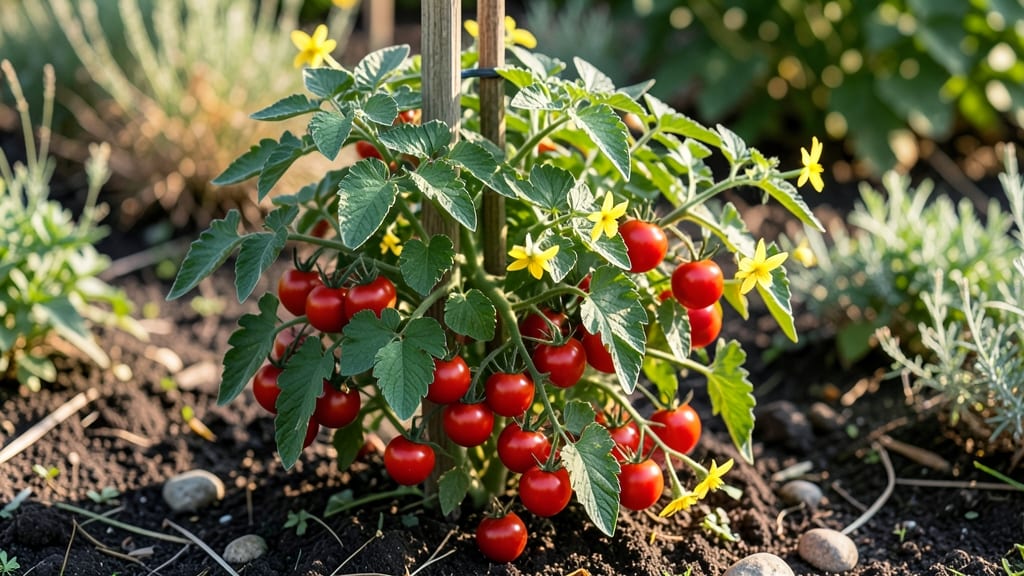
Growing cherry tomato hybrids means year-round harvests even when summer wilts other varieties. 🌿 I learned the hard way that not all cherry tomatoes handle heat—until I found the heat-resistant types that thrive when others bolt.
The secret lies in choosing the right variety, like 'Solar Fire' or 'Heatmaster,' which keep producing sweet, bite-sized fruit through blistering temperatures. These hybrids aren’t just tough—they’re prolific. One plant can yield hundreds of tomatoes over months, and their disease resistance means fewer chemical sprays.
The flavor? A perfect balance of sweet and tangy, with just the right burst of juice. My first harvest was in June, and I’ve been picking consistently ever since, even in 100°F+ days. Start with well-draining soil mixed with compost, and plant in full sun (6-8 hours daily).
Trellises keep plants off the ground, improving airflow and making harvesting easier. Water at the base to avoid fungal issues, and fertilize lightly every 3-4 weeks—no heavy feeding needed. From containers to in-ground beds, these hybrids adapt. In cooler climates, grow them in pots and bring them indoors during frost.
The key is patience: it takes 60-70 days to first fruit, but the payoff is worth it. Ready to grow tomatoes that refuse to quit?
📚 In This Guide
- What you need
- Instructions
- Tips and common mistakes
- Wrapping up and next steps
What you need
- ● Cherry tomato hybrid seeds or seedlings: Choose heat-resistant varieties like ‘Sweet 100,’ ‘Sun Gold,’ or ‘Black Cherry.’ Buy 5–10 seeds or 3–5 seedlings for a bountiful harvest.
- ● High-quality potting mix or garden soil: Use a well-draining mix with compost (avoid fresh manure). For containers, opt for a soilless blend with perlite or vermiculite.
- ● Containers or garden space: For containers: 5–10 gallon pots (1 plant per container) with drainage holes.
- ● For ground planting: Full sun (6–8+ hours/day) and spaced 18–24 inches apart.
- ● Fertilizer: Balanced organic fertilizer (10-10-10) or compost tea. Start with a slow-release granular at planting, then switch to liquid feed every 2–3 weeks.
- ● Support system: Cages (5–6 ft tall) or stakes (6 ft) to keep vines upright.
- ● Gloves & knee pads (for comfort during planting).
- ● Watering can or hose with a gentle nozzle (avoid overhead watering to prevent disease).
- ● Mulch (straw or shredded leaves) to retain moisture and suppress weeds.
- ● Pruning shears for trimming suckers and dead leaves.
- ○ Shade cloth (optional) for seedlings if temperatures exceed 90°F.
- ● pH test kit (ideal soil pH: 6.0–6.8).
Step-by-Step instructions for growing heat-resistant cherry tomatoes
Here’s how I grow productive, heat-tolerant cherry tomatoes that thrive through summer’s hottest stretches.
🌱 Step 1: Select and Prepare Heat-Tolerant Varieties
Choose heat-resistant hybrids like 'Solar Fire,' 'Heatmaster,' or 'Mountain Merit'—they’re bred to set fruit even when temperatures exceed 90°F. Start seeds indoors 6-8 weeks before your last frost date, using 72-75°F bottom heat for faster germination. I like to sow seeds in 2-3 inch deep biodegradable pots filled with sterile seed-starting mix.
Press seeds ¼ inch deep and keep the soil consistently moist but not soggy. The key here is patience—these varieties need strong roots to handle heat stress. Once seedlings develop true leaves, thin to the strongest one per pot. This prevents competition and ensures robust plants ready for transplanting.
☀️ Step 2: Harden Off and Transplant Strategically
Begin hardening off seedlings 10-14 days before transplanting by placing them outside in partial shade for 1-2 hours the first day. Gradually increase exposure over 7-10 days, ending with full sun. Transplant in the late afternoon when temperatures are cooler—this reduces shock.
Choose a location with full sun (6-8 hours daily) and well-draining soil. If your soil is heavy clay, amend it with 2-3 inches of compost mixed into the top 6 inches. Bury stems deeper than usual—up to the first set of leaves—to encourage stronger root systems. This helps plants withstand heat waves.
💧 Step 3: Manage Water and Mulch for Heat Resilience
Water deeply once or twice weekly, aiming for 1-1.5 inches per week, and always water at the base of the plant. Avoid wetting leaves to prevent disease. Mulch with 2-3 inches of straw or shredded leaves to retain moisture and keep roots cool. I’ve found that consistent moisture is critical—fluctuations stress plants and reduce fruit set.
Monitor soil moisture by sticking your finger 1 inch deep—if it feels dry, it’s time to water. During extreme heat (above 95°F), provide afternoon shade with a lightweight shade cloth to prevent sunscald. This temporary measure protects fruit development without stunting growth.
✂️ Step 4: Prune and Support for Optimal Heat Performance
Prune suckers (the shoots that grow between the stem and branches) weekly to improve airflow and reduce heat stress. Limit pruning to 1-2 main stems to balance vigor and fruit production. Use cages or stakes to support plants—this prevents stems from bending under heavy fruit loads and improves sun exposure.
Remove lower leaves that touch the ground to prevent soil-borne diseases. I also pinch off the first flower cluster if the plant is small—this redirects energy to root and stem growth. Once plants are established, they’ll rebound quickly and produce fruit more efficiently in heat.
🌿 Step 5: Fertilize and Monitor for Heat Stress
Fertilize every 3-4 weeks with a balanced, water-soluble fertilizer (10-10-10) diluted to half strength. Heat-resistant varieties still need nutrients, but too much nitrogen can lead to leafy growth at the expense of fruit. Switch to a low-nitrogen, high-phosphorus formula (5-10-10) when flowers appear to encourage blooming.
Watch for signs of heat stress: yellowing leaves, wilting, or blossom drop. If you notice these, provide temporary shade and increase watering slightly. Harvest fruit frequently—overripe tomatoes on the vine can stress the plant. With these steps, you’ll enjoy a steady harvest even in the hottest months.
Tips & tricks for perfect heat-resistant cherry tomato harvests
These game-changing strategies will help you push your cherry tomato plants past summer's worst heat waves while maximizing flavor and yield.
Seed Starting Temperature: Those 72-75°F bottom heat requirements aren't just arbitrary—they accelerate germination by up to 50%. I've found that using a dedicated seedling heat mat under my trays cuts germination time from 10-14 days to just 7-10 days. The key is maintaining consistent warmth; fluctuations can cause uneven sprouting. For extra insurance, I cover the trays with clear plastic domes to trap humidity while keeping that bottom heat constant.
Transplanting Timing: The late afternoon transplant window in Step 2 is crucial for shock prevention. I've learned this the hard way—transplanting in midday sun can cause immediate wilting even with heat-resistant varieties. If you must transplant during the day, choose an overcast afternoon or provide temporary shade with a lightweight row cover. The goal is to give roots time to establish before nighttime cooling occurs, which can stress tender seedlings.
Mulching Depth: That 2-3 inches of mulch recommendation is non-negotiable for heat resilience. I've tested both straw and shredded leaves, and straw wins for moisture retention in extreme heat. The secret lies in maintaining that mulch layer consistently—don't let it break down to less than 1.5 inches, or you'll lose the insulating effect. For added protection during heatwaves above 95°F, I top the mulch with a thin layer of reflective aluminum foil, which can reduce soil temperatures by up to 10°F.
Pruning Strategy: The weekly sucker removal in Step 4 might seem tedious, but I've found it's the difference between sporadic fruit set and continuous production. Here's my pro move: I use sterilized pruning shears to make clean cuts just above the leaf junction, which prevents disease entry points. For large plants, I limit myself to just 2-3 main stems total—this balances airflow with fruit production. And here's a little-known trick: pinch off any flowers that appear on the first 6-8 inches of stem. This might seem counterintuitive, but it forces the plant to develop a stronger root system first, leading to bigger yields later.
Pro Tips for Cherry Tomato Hybrid
- These game-changing strategies will help you push your cherry tomato plants past summer's worst heat waves while maximizing flavor and yield.
- Seed Starting Temperature: Those 72-75°F bottom heat requirements aren't just arbitrary—they accelerate germination by up to 50%.
- Transplanting Timing: The late afternoon transplant window in Step 2 is crucial for shock prevention.
Frequently asked questions
Got questions about growing cherry tomato hybrids, especially heat-resistant varieties? You’re not alone! Here are some of the most common concerns—plus quick, actionable answers to keep your harvest thriving.
Can cherry tomato hybrids survive extreme heat?
Heat-resistant hybrids like ‘Heatmaster’ or ‘Solar Fire’ thrive in temps up to 95°F (35°C). To boost survival, mulch with straw, provide afternoon shade (like with shade cloth), and water deeply at the roots—never overhead. Pro tip: Prune lower leaves to improve airflow and reduce stress.
How long does it take for cherry tomato hybrids to produce fruit?
Most hybrids mature in 50–70 days from transplant, but heat-resistant varieties may take slightly longer (up to 80 days). Start seeds indoors 6–8 weeks before your last frost, or buy transplants for a head start. Patience pays off—once they fruit, expect continuous harvests for weeks!
What’s the best way to pollinate cherry tomatoes in hot weather?
Heat can reduce natural pollination, but hybrids often self-pollinate. Give them a gentle shake in the morning to help. For extra insurance, use a small paintbrush to transfer pollen between flowers. Avoid overcrowding plants—6–12 inches apart ensures good airflow and better fruit set.
Can I grow cherry tomato hybrids in containers?
Yes! Just choose a 5-gallon+ container with drainage holes and fill it with well-draining potting mix. Dwarf hybrids like ‘Tiny Tim’ are perfect for pots. Place containers in full sun (6+ hours/day) and fertilize weekly with a balanced liquid feed. Bonus: Containers warm up faster in spring, giving you an earlier harvest!
How do I prevent pests like aphids or hornworms from ruining my crop?
Start with neem oil or insecticidal soap for early prevention. Introduce beneficial insects like ladybugs or lacewings, or handpick hornworms (they’re easy to spot!). For severe infestations, use Bt (Bacillus thuringiensis), a natural bacteria that targets caterpillars without harming your plants.
What’s the fastest way to revive a heat-stressed cherry tomato plant?
If leaves wilt or yellow, act fast: 1) Move to partial shade immediately. 2) Water deeply at the base (not the leaves) in the early morning or late evening. 3) Trim any sunburned leaves. Most hybrids bounce back in 3–5 days with proper care. Avoid fertilizing until new growth appears!
Still stumped? Drop your question in the comments—we’ve got you covered!
Wrapping up and next steps
Growing cherry tomato hybrids—especially heat-resistant varieties—can transform your garden into a year-round bounty of sweet, juicy treats! 🌱 Whether you're a seasoned gardener or just starting, these resilient plants offer low-maintenance rewards with minimal fuss.
Now that you’re armed with the right materials and answers to common questions, it’s time to roll up your sleeves and plant those seeds!
Ready to dive in? Start small—try a single heat-tolerant hybrid like ‘Solar Fire’ or ‘Heatmaster’ in a sunny spot this weekend. Watch your confidence (and harvest!) grow alongside those vines! 🌿