
Planting
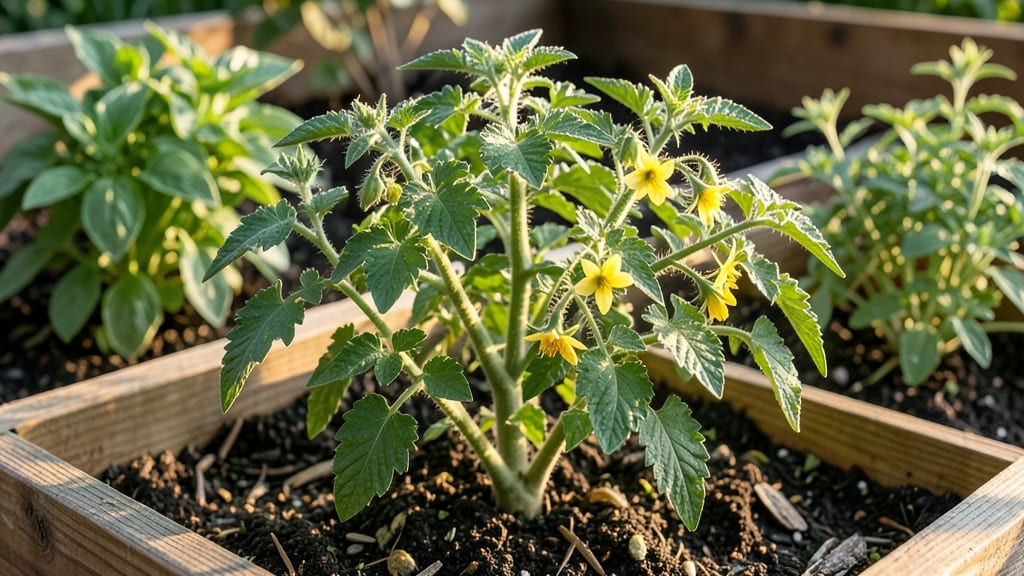
Cherry tomato plants need consistent heat to trigger those first clusters of tiny yellow flowers—without it, you’ll be staring at leafy vines instead of a harvest. 🌱 I’ve watched my plants go from stubborn stems to fruiting machines once I cracked the code on temperature, light, and water balance.
The secret isn’t fancy fertilizers; it’s creating the right conditions for nature to do its thing.
Those first flowers appear when daytime temps hit 65-75°F and nights stay above 55°F, but too much heat after that can drop blossoms before they set fruit. Overwatering or uneven moisture stresses the plant, while too little light makes it stretch weak and leggy.
I’ve learned the hard way—last summer, my plants flowered but produced almost no tomatoes because I ignored these basics.
What you’ll end up with is a plant covered in bright yellow blossoms that turn into sweet, bite-sized tomatoes within weeks. The key is watching for signs of stress—drooping leaves mean adjust your watering, while pale flowers signal a nutrient boost.
Hand-pollination (gentle shaking or a paintbrush) helps in rainy weather, but healthy plants rarely need it.
This works for container gardens, raised beds, or in-ground plots—just match your setup to the plant’s needs. Once you see those first flowers, you’re on the fast track to a harvest that’ll have neighbors asking for cuttings. Let’s get those vines blooming right.
📚 In This Guide
- What you need
- Instructions
- Tips and common mistakes
- Wrapping up and next steps
What you need
- ● Cherry tomato seeds or seedlings: Choose heat-tolerant varieties like 'Sweet 100,' 'Sun Gold,' or 'Tiny Tim.' Quantity: 3–6 plants per container or 1 plant per 12-inch pot.
- ● Well-draining potting mix: A high-quality seed-starting mix or organic garden soil amended with compost (avoid heavy clay). Quantity: 1–2 cubic feet, depending on container size.
- ● Containers or garden bed: Containers: 5–7 gallon pots with drainage holes (for seedlings) or 12+ inch pots for mature plants.
- ● Garden bed: Full sun (6+ hours daily), loose soil with a pH of 6.0–6.8.
- ● Slow-release fertilizer: Look for a balanced 10-10-10 or tomato-specific blend (e.g., Espoma Tomato-Tone). Quantity: 1–2 tbsp per plant.
- ● Watering can or hose with a gentle nozzle: Avoid soaking the soil—aim for 1 inch of water per week (adjust for heat).
- ● Pruning shears or scissors: Sharp, clean tools for deadheading and trimming suckers.
- ● Heat mat or grow lights: For seedlings—keeps soil at 70–80°F to speed up germination. Pro tip: 💡 Place lights 2–3 inches above seedlings for 14–16 hours/day.
- ● Café or mulch: Straw, wood chips, or black plastic to retain soil moisture and regulate temperature.
- ● Plant supports: Cages, stakes, or trellises (if growing indeterminate varieties).
- ● Calcium supplement (e.g., crushed eggshells or calcium nitrate): Prevents blossom-end rot in high-heat conditions.
- ● Thermometer: Monitor soil and air temps—cherry tomatoes thrive in 75–85°F for flowering.
How to encourage cherry tomato flowering for bountiful harvests
Here’s how I trigger heavy blooms in cherry tomatoes—no fancy tricks, just proven heat and light cues.
☀️ Step 1: Position Plants for Consistent Heat
Cherry tomatoes need daytime temperatures above 70°F to flower reliably. Place them where they’ll get full sun (6+ hours daily)—a south-facing window, greenhouse, or outdoor spot without afternoon shade. I’ve found that even one hour of shade after noon can delay blooms by a week.
Watch for drooping leaves in the afternoon—that’s your signal the heat’s too intense. Move them to partial shade if needed, but keep them in morning sun to build energy for flowering. If growing indoors, a grow light 4-6 inches above the plant mimics summer warmth.
💧 Step 2: Water Deeply and Evenly
Flowering stalls when plants stress from uneven moisture. Water deeply at the base until 1 inch of soil feels damp—not soggy, not dry. I use a 5-gallon watering can for containers to ensure roots get enough. Avoid wetting leaves, which can cause blossom-end rot or fungal issues.
Let the top inch dry out between waterings—this prevents root rot but keeps roots active. You’ll see smaller, darker leaves if they’re thirsty; adjust your schedule until foliage stays bright green and crisp. Mulch with 2-3 inches of straw to lock in moisture and keep roots cool.
🌱 Step 3: Boost Fertility for Flower Production
Cherry tomatoes need phosphorus-rich fertilizer to trigger blooms. Switch to a balanced 10-10-10 or 5-10-10 formula when plants hit 12 inches tall. I mix 1 tablespoon per gallon of water and apply every 2 weeks during flowering. Too much nitrogen makes plants leafy but flowerless.
Watch for yellowing lower leaves—that’s a sign of over-fertilizing. If it happens, flush the soil with plain water and cut back on feedings. A side-dressing of compost every 4-6 weeks also gives them a steady nutrient boost without burning roots.
✂️ Step 4: Prune for Airflow and Sun Exposure
Remove suckers (side shoots) that form in the leaf axils—these steal energy from flowers. Pinch them off weekly when they’re 1-2 inches long. I also prune lower leaves touching the soil to prevent disease and improve airflow. This keeps energy focused on fruit production instead of foliage.
You’ll see more flowers on upper stems after pruning. If your plant gets overcrowded, trim back one-third of the top growth to redirect resources. Just don’t cut into flower clusters—they’re the future harvest!
🌿 Step 5: Handle Stressors That Delay Blooms
Flowering stops when plants feel threatened. Pests like aphids suck sap and weaken growth—spray with neem oil if you spot them. Temperature swings (below 50°F at night) also halt blooms. Move pots indoors or use row covers if frost threatens.
If flowers drop off without setting fruit, it’s often heat stress (above 90°F) or poor pollination. Gently shake plants daily to help pollen transfer, or use a small paintbrush to pollinate flowers by hand. You’ll know it’s working when you see tiny green tomatoes forming within 5-7 days.
Tips & tricks for perfect cherry tomato blooms
Real talk: Getting those first flowers on cherry tomatoes can feel like waiting for a slow bus—until you know the right cues. These small tweaks make all the difference between a few sad blossoms and a plant covered in flowers.
Heat Timing: The 70°F daytime temperature requirement in Step 1 isn't just a number—it's when your plant's internal clock actually flips the switch for flowering. If your mornings are cool, move plants to a sunnier spot where they'll warm up faster. I've seen plants in shaded windows produce 50% fewer flowers because they never hit that critical threshold. Use a small thermometer near the plant for a week to track actual temps—you might be surprised how much cooler your spot is than you think.
Pruning Strategy: When you're pinching those 1-2 inch suckers weekly in Step 4, focus on the ones growing between the main stem and a leaf branch—these are the biggest energy vampires. I learned this the hard way by letting a plant get overcrowded, and it took three weeks to recover enough to flower properly. Pro tip: Use clean fingernails or small scissors (disinfected with rubbing alcohol) to avoid tearing the stem, which can introduce disease.
Fertility Fine-Tuning: That 1 tablespoon per gallon fertilizer ratio in Step 3 is your sweet spot, but here's what nobody tells you—if your plants are in small containers (under 5 gallons), cut the fertilizer in half. Roots in tight spaces get burned easily, and over-fertilizing actually stresses them more than under-fertilizing. Watch for purple stems (phosphorus deficiency) or dark green, rubbery leaves (too much nitrogen)—both are clear signals to adjust immediately.
Pollination Boost: The daily shaking in Step 5 works, but here's my secret weapon: I use a soft makeup brush (the kind for foundation) to gently transfer pollen between flowers. It's more precise than shaking and prevents damaging delicate stems. Do this in the morning when flowers are fully open—you'll see tiny green tomatoes forming within 5-7 days if you're doing it right. For indoor plants, I place a small fan on low setting near the plant for 10 minutes daily to simulate wind pollination.
Pro Tips for Cherry Tomato Plant Flowering
- Real talk: Getting those first flowers on cherry tomatoes can feel like waiting for a slow bus—until you know the right cues.
- Heat Timing: The 70°F daytime temperature requirement in Step 1 isn't just a number—it's when your plant's internal clock actually flips the switch for flowering.
- Pruning Strategy: When you're pinching those 1-2 inch suckers weekly in Step 4, focus on the ones growing between the main stem and a leaf branch—these are the biggest energy vampires.
Frequently asked questions
Got questions about getting your cherry tomato plants to flower and fruit? You’re not alone! Here are some answers to the most common concerns—plus pro tips to maximize your harvest.
Why aren’t my cherry tomato plants flowering?
Cherry tomatoes need consistent warmth (ideally 70–85°F) to trigger blooms. If your plants are still young or temps are too cool (<60°F), they’ll hold off. Also, check for stress factors like overwatering, poor light, or nutrient deficiencies (especially nitrogen). Give them time—some varieties bloom in 4–6 weeks after transplanting!
How long does it take for cherry tomato flowers to turn into fruit?
After pollination (usually via bees or gentle shaking), flowers typically take 7–14 days to develop into tiny tomatoes. Heatwaves or humidity can speed this up, while cold snaps may delay it. Pro tip: If flowers drop without fruiting, your plants might need more phosphorus (bone meal) or better pollination help (try hand-pollinating with a paintbrush!).
Can cherry tomatoes flower and fruit in cold weather?
Most cherry tomato varieties struggle below 50°F—flowers may form but won’t set fruit, or existing fruit could turn blossom-end rot (a calcium deficiency from stress). For cooler climates, opt for cold-tolerant types like ‘Sweet Million’ or ‘Tiny Tim,’ or grow in containers to move indoors at night. Row covers can also add 4–8°F of protection!
What should I do if my cherry tomato flowers keep falling off?
This is called blossom drop, often caused by temperature swings (too hot or cold), overwatering, or lack of calcium. Try these fixes:
- Water deeply but less frequently (1–1.5 inches per week).
- Apply crushed eggshells or calcium nitrate to soil.
- Shade plants from extreme afternoon heat (use shade cloth if temps hit 90°F+).
- Ensure even sunlight (6–8 hours daily)—weak stems can’t support blooms.
Can I force cherry tomato plants to flower faster?
While you can’t rush nature, you can optimize conditions:
- Move pots to a sunny, warm spot (or use a heat mat for seedlings).
- Fertilize with a balanced 10-10-10 or tomato-specific feed once flowers appear.
- Hand-pollinate morning-glory flowers (gently shake plants or brush flowers with a soft brush).
- Avoid pruning suckers too aggressively—let plants focus on fruiting!
Wrapping up and next steps
Watching your cherry tomato plant burst into vibrant blooms is one of the most rewarding parts of gardening! 🌸 With the right balance of heat, sunlight, and care, you’re well on your way to a bountiful harvest.
Now that you’re armed with the know-how, it’s time to roll up your sleeves and give your plants the love they need.
Ready to transform those flowers into juicy, sweet tomatoes? Start by monitoring their progress and adjusting care as needed. Happy gardening—your future harvest is waiting! 🍅✨