
Flowers
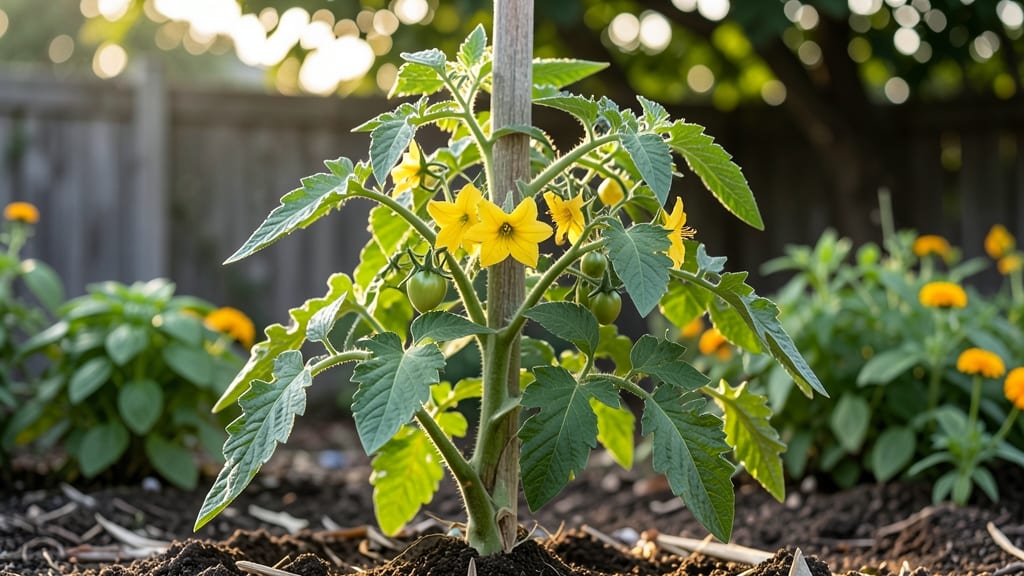
Yellow tomato flowers mean your towering indeterminate vines are fighting an invisible battle—nutrient starvation, disease, or pests stealing their strength. 🌱 I’ve watched my prized Sungolds and Cherokee Purples turn from vibrant yellow to sad, drooping blooms, and the fix isn’t always obvious.
The good news? Most causes have simple solutions, from a quick soil boost to targeted sprays that restore health in days.
Start by checking the soil—yellowing flowers often scream for nitrogen or magnesium. A handful of compost or Epsom salt in the water works wonders, but fungal diseases like early blight or spider mites can mimic these symptoms.
Wipe down leaves with neem oil or a baking soda spray, and watch for improvement within a week. Overwatering or scorching heat can also trigger the yellowing, so adjust your care routine now before the problem spreads.
What you’ll end up with is a vine bursting with deep red, purple, or orange blooms—not just a few sad yellow flowers. The key is acting fast: catch the issue early, and your indeterminate varieties will reward you with foot-long trusses all season long.
Prevention is easier than recovery, so let’s tackle this before your plants hit their peak.
Works for any indeterminate variety—whether you’re growing on a trellis, cage, or stakes. Here’s how to diagnose and fix it before your harvest suffers. The difference between a struggling plant and a thriving monster vine often comes down to these simple checks.
📚 In This Guide
- What you need
- Instructions
- Tips and common mistakes
- Wrapping up and next steps
What you need
- ● Seeds or Seedlings: Indeterminate tomato varieties with yellow flowers (e.g., 'Yellow Pear', 'Sun Gold', or 'Lemon Drop'). Quantity: 3–6 plants (for a small garden) or 10+ (for larger displays).
- ● Seed-starting mix: Lightweight, sterile potting soil (e.g., Pro-Mix or FoxFarm Seedling Mix). Quantity: 1–2 cubic feet.
- ● Containers or Garden Space: For seedlings: Biodegradable pots (3–4" diameter) or cell trays (72-cell minimum).
- ● For mature plants: Containers: 5-gallon pots or larger (with drainage holes). Quantity: 1 per plant.
- ● Garden beds: Well-draining soil, enriched with compost (1–2 inches mixed in).
- ● Support Structures: Trellises or cages: 6–8 ft tall (e.g., tomato cages, stakes, or A-frame trellises). Quantity: 1 per plant.
- ● Soft ties: Garden twine or Velcro plant ties (to secure vines gently).
- ● Soil Amendments: Compost: Aged, organic compost (5–10 lbs per plant).
- ● Balanced fertilizer: 10-10-10 or organic options like fish emulsion or bone meal.
- ● Mulch: Straw or shredded leaves (to retain moisture and suppress weeds).
- ● Pruning shears: For trimming suckers and shaping plants.
- ● Drip irrigation or soaker hoses: For consistent watering (especially in hot climates).
- ● Shade cloth: Lightweight fabric (30–50% shade) to protect seedlings from intense sun.
- ● Garden journal: To track progress, flowering, and fruiting!
How to grow indeterminate tomatoes with stunning yellow flowers
These towering beauties need the right approach—here’s how to coax both lush foliage and vibrant blooms.
🌱 Step 1: Choose the Right Varieties for Height and Color
Indeterminate tomatoes like 'Lemon Drop' or 'Sun Gold' produce continuous yellow flowers all season. Look for varieties labeled "indeterminate" and "cherry" or "grape" types—they thrive vertically and bloom prolifically. I always pick disease-resistant hybrids like 'Solar Fire' to avoid early blight ruining those showy blooms.
Check seed packets for "vines up to 10+ feet" warnings—these need sturdy support. If growing from seed, start indoors 6-8 weeks before last frost for strong, early plants. Seedlings should have 3-4 true leaves before transplanting outside, ensuring they’re ready to handle the heat and humidity that triggers flowering.
☀️ Step 2: Plant in Full Sun and Warm Soil
Indeterminate tomatoes demand 6-8 hours of direct sun daily—no compromise. I plant mine in south-facing beds where they get morning light and afternoon warmth. The soil should be at least 60°F before transplanting; cold soil slows root growth and delays flowering.
Amend the soil with 2-3 inches of compost before planting to provide nutrients for both foliage and flowers. Bury the stem up to the first set of leaves—this encourages deeper root systems and more vigorous growth. Water deeply right after planting to settle the soil and eliminate air pockets around roots.
💧 Step 3: Water Deeply and Consistently for Blooms
Yellow flowers thrive when plants receive 1-1.5 inches of water weekly, delivered deeply at the base. I water mine in the early morning to prevent fungal issues on leaves and flowers. Let the top 2 inches of soil dry between waterings—consistent moisture prevents blossom-end rot and encourages steady flowering.
Use a drip irrigation system or soaker hose to keep water off foliage. Overhead watering on leaves can spread disease, and wet flowers may drop prematurely. You’ll know you’re doing it right when the vine grows 12-18 inches per week and produces new flowers every 2-3 weeks.
✂️ Step 4: Prune for Airflow and Flower Production
Prune suckers—those little shoots in the leaf axils—weekly to focus energy on fruit and flowers. I leave 2-3 main stems for indeterminate varieties to maximize vertical growth and air circulation. Remove any leaves touching the ground or crowded branches to prevent disease and improve sunlight penetration.
Pinch off the first few flowers if the plant is small—this redirects energy to root and vine growth. Once the plant is 3-4 feet tall, let the flowers bloom freely. You’ll see clusters of yellow blooms forming along the stem, signaling the plant is thriving and ready for pollination.
🪴 Step 5: Support and Protect for Maximum Display
Use 6-foot cages or sturdy stakes to keep vines upright and flowers accessible. I tie vines to supports with soft plant ties every 10-12 inches to prevent breakage. Heavy fruit loads can weigh down branches, so check supports weekly during peak production.
Protect flowers from pests like hornworms by handpicking them daily. A row cover or lightweight netting can shield blooms from early-season frosts or late heat waves. With proper care, your indeterminate tomatoes will produce continuous yellow flowers and fruit until frost, creating a stunning summer display.
Tips & tricks for growing indeterminate tomatoes with vibrant yellow blooms
Here's what nobody tells you about coaxing those stunning yellow flowers from indeterminate tomato varieties.
Variety Selection: When choosing seeds or transplants, prioritize disease-resistant hybrids like 'Solar Fire'—they'll produce continuous blooms without the stress of early blight. Look for varieties specifically labeled "indeterminate" and "cherry" or "grape" types, as these are bred for vertical growth and prolific flowering. The warning about "vines up to 10+ feet" isn't just for fun—it's a clue these plants need strong support to showcase their dramatic yellow displays.
Transplant Timing: That 6-8 week indoor starting window is critical because indeterminate tomatoes need to develop strong roots before facing outdoor conditions. I've learned the hard way that seedlings with fewer than 3-4 true leaves struggle to handle the heat and humidity that trigger flowering. If you're in a cooler climate, consider using heat mats to maintain soil temperatures above 60°F during germination.
Watering Strategy: The 1-1.5 inch weekly watering guideline might seem generous, but it's essential for those bright yellow flowers. I've seen plants with perfect sun exposure fail to bloom because they weren't getting enough consistent moisture. The key is delivering water at the base using drip irrigation—this keeps foliage dry and prevents fungal diseases that can stunt flower production. Remember, those top 2 inches of soil should dry between waterings to prevent blossom-end rot.
Pruning Precision: When pruning suckers weekly, focus on maintaining those 2-3 main stems—they're the powerhouses for vertical growth and flower production. I've noticed that leaving too many stems can reduce flower yield, while removing too many can stress the plant. The 3-4 foot height threshold before allowing flowers to bloom freely is crucial—it's when the plant has enough energy reserves to support both foliage and flowers simultaneously.
Pro Tips for Tomato Yellow Flowers
- Here's what nobody tells you about coaxing those stunning yellow flowers from indeterminate tomato varieties.
- Variety Selection: When choosing seeds or transplants, prioritize disease-resistant hybrids like 'Solar Fire'—they'll produce continuous blooms without the stress of early blight.
- Transplant Timing: That 6-8 week indoor starting window is critical because indeterminate tomatoes need to develop strong roots before facing outdoor conditions.
Frequently asked questions
Got questions about those stunning tomato yellow flowers and their towering indeterminate varieties? You’re not alone! Here are some of the most common queries—plus quick answers to help you grow like a pro.
Why are my tomato plants producing yellow flowers instead of the usual white or purple?
Yellow flowers are a signature of certain heirloom or hybrid tomato varieties, like ‘Yellow Pear’ or ‘Solar Fire’. These vibrant blooms don’t affect fruit production—they’re just nature’s way of adding a pop of color! If you’re growing a standard variety, yellow flowers could signal stress (like overwatering or nutrient imbalance), but indeterminate types often bloom in shades of yellow naturally.
When should I expect yellow-flowered tomatoes to bear fruit after blooming?
Indeterminate tomatoes with yellow flowers typically take 45–60 days from bloom to ripe fruit, depending on sunlight, temperature, and variety. Keep an eye out for tiny fruit bumps forming behind the flowers—these are your future tomatoes! If flowers drop without fruiting, it might be due to pollination issues (try gently shaking the plant) or extreme heat (above 90°F).
Can I grow yellow-flowered tomatoes in containers or do they need a garden bed?
Indeterminate varieties with yellow flowers thrive in 5-gallon+ containers as long as they get 6–8 hours of sun and sturdy support (like cages or trellises). Just ensure the pot has drainage holes and use a balanced fertilizer every 2–3 weeks. Dwarf or bush varieties may need slightly smaller pots, but towering types like ‘Big Beef Yellow’ love room to sprawl.
My yellow-flowered tomato plant’s leaves are curling—is it dying or just stressed?
Curling leaves are often a sign of heat stress, pests (like spider mites), or fungal issues. Check the undersides of leaves for tiny webs or spots. If it’s heat-related, provide afternoon shade or mulch to retain moisture. For pests, spray with neem oil or introduce beneficial insects like ladybugs. Yellow flowers themselves aren’t the issue—focus on the foliage’s health to keep blooms (and fruit!) coming.
Are there any yellow-flowered tomato varieties that are disease-resistant?
Yes! Look for indeterminate hybrids labeled with disease resistance, like ‘Mountain Merit’ (yellow fruit, resistant to Verticillium and Fusarium wilt) or ‘Lemon Boy’ (bright yellow blooms and fruit, resistant to early blight). Always check seed packets for V, F, or N ratings—these indicate resistance to common tomato diseases. Pair resistant varieties with good airflow and sanitation to keep plants thriving.
Wrapping up and next steps
Growing indeterminate tomato varieties with stunning yellow flowers isn’t just about aesthetics—it’s a rewarding journey that brings color, flavor, and productivity to your garden. 🌱 Whether you’re a seasoned gardener or just starting, these towering plants offer endless possibilities for summer displays and bountiful harvests.
Now that you’re armed with the right knowledge, take the next step: sketch your garden layout, gather your supplies, and dive in with confidence!
Remember, every expert gardener began with a single seed. Your yellow-flowered tomato adventure is just beginning—happy planting! 🌿