
Pests and Diseases
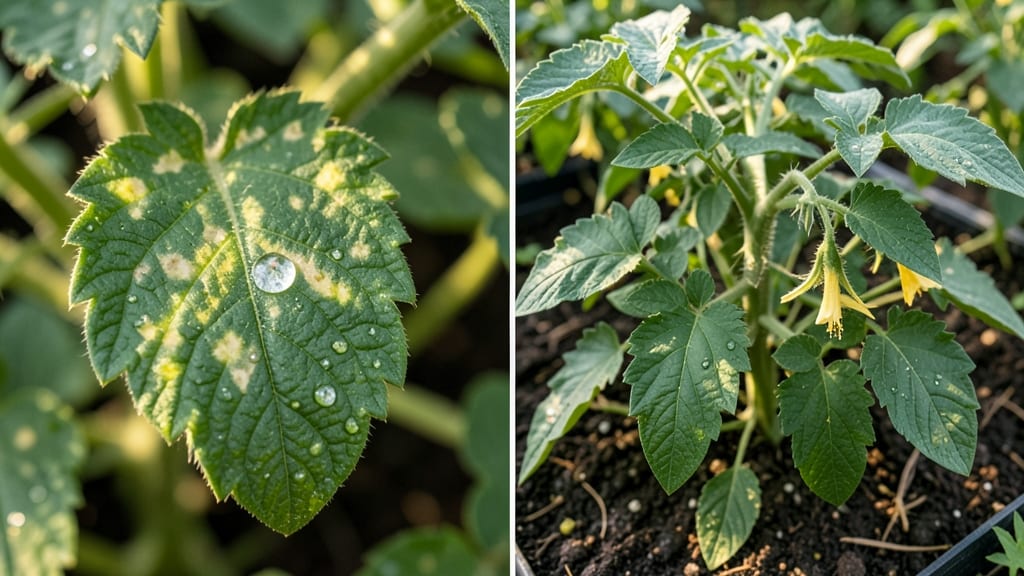
Those tiny whiteflies are turning your tomato leaves into a lace doily. 🌿 I’ve seen this happen after just a few weeks of ignoring the problem—clear spots that spread faster than you can say "harvest failure." The good news?
You can stop it dead in its tracks with the right approach. Whiteflies leave behind sticky residue that blocks sunlight, and those clear spots are their calling card. The fix starts with isolating affected plants, then a targeted spray (neem oil or insecticidal soap) applied when pests are active.
Repeat every 5-7 days until they’re gone—usually 2-3 treatments does the trick. The key is acting fast before the damage spreads to fruit.
📚 In This Guide
- What you need
- Instructions
- Tips and common mistakes
- Wrapping up and next steps
What you need
- ● Magnifying glass – For closely inspecting leaves (1x, 5x–10x magnification recommended).
- ● Whitefly traps (yellow sticky cards) – 2–4 traps (8" x 10" size) to monitor infestations.
- ● Neem oil (100% cold-pressed) – 16 oz bottle (look for Azadirachtin content for effectiveness).
- ● Horticultural oil or insecticidal soap – 16–32 oz spray bottle (ensure it’s OMRI-listed for organic gardening).
- ● Spray bottle (16–32 oz) – With a fine mist nozzle for even coverage.
- ● Gloves (nitrile or rubber) – 1 pair (to protect your skin from oils and pests).
- ● Pruning shears (sterilized) – Small, sharp pair for trimming heavily infested leaves.
- ● Plastic bags (gallon-sized) – 2–3 bags for collecting and disposing of infested plant debris.
- ● Garden twine or rubber bands – For securing traps or row covers (if using).
- ● Beneficial insects – Ladybugs, lacewings, or parasitic wasps (e.g., Encarsia formosa) to introduce natural predators.
- ● Reflective mulch or aluminum foil – To disorient whiteflies (cover soil around plants).
- ● Systemic insecticide (last resort) – Imidacloprid or Spinosad (follow label instructions carefully).
- ● Fine-mist sprayer – For larger gardens (e.g., 1-gallon capacity).
- ● Garden journal – To track treatments and progress over time.
How to treat whitefly damage on tomato plants
Here's my go-to method for stopping whiteflies and restoring your tomatoes to health in just days.
🌿 Step 1: Inspect and Confirm the Problem
Start by examining the undersides of leaves where whiteflies love to hide. Look for tiny white moth-like insects fluttering away when you disturb the plant—that's your confirmation. Clear spots on leaves appear as white or yellow patches where the pests feed and excrete sticky honeydew. I always check the newest growth first since whiteflies target tender leaves.
Run your fingers gently over the stems and leaves. You'll feel a fine, powdery residue from their waste—this is your signal the infestation is active. Don't wait for more damage to appear. Whiteflies multiply rapidly, so early action prevents total leaf loss and fruit damage.
💧 Step 2: Apply a Targeted Whitefly Spray
Mix 1 tablespoon of neem oil with 1 teaspoon of insecticidal soap in 1 quart of water in a spray bottle. Shake well before each use. Neem oil disrupts their life cycle while insecticidal soap smothers them on contact. I prefer this combo because it's safer for beneficial insects than chemical sprays while still being highly effective.
Spray the undersides of leaves thoroughly—this is where 90% of whiteflies hide. Focus on new growth and the main stems where they cluster. Apply in the early morning or late afternoon when temperatures are below 85°F to avoid burning the leaves. You'll see immediate results as the whiteflies drop to the ground, but don't stop after one treatment.
✂️ Step 3: Remove Severely Damaged Foliage
Use clean, sharp pruning shears to snip off any leaves showing more than 50% clear spots or heavy honeydew buildup. Dispose of these immediately in a sealed plastic bag—don't compost them as you'll spread the infestation. I always sterilize my shears with rubbing alcohol between cuts to prevent cross-contamination.
Prune strategically by removing leaves from the bottom of the plant first. This improves airflow and sunlight penetration to the lower canopy, which helps the remaining leaves recover faster. You'll notice the plant's energy shifts toward producing new, healthy growth within 3-5 days of proper pruning.
🪴 Step 4: Introduce Beneficial Insects for Prevention
Purchase parasitic wasps (Encarsia formosa) or ladybugs from a garden center and release them according to package instructions. These natural predators target whiteflies exclusively and provide long-term control. I release mine in the early evening when temperatures drop below 75°F—they're most active in cooler conditions.
Make sure your tomatoes have plenty of water before introducing beneficial insects. Healthy plants attract more predators and recover faster from infestations. Check the undersides of leaves every 2-3 days after release. You'll see small black or brown pupal cases on the leaves—this means the wasps are actively hunting whiteflies.
☀️ Step 5: Maintain Plant Health Through Recovery
Water your tomatoes at the base using a soaker hose to avoid wetting the foliage, which attracts more whiteflies. Keep the soil consistently moist but never soggy—whiteflies thrive in stressed plants. I fertilize with a balanced organic fertilizer (10-10-10) every 2 weeks during recovery to boost the plant's immune system.
Monitor your plants daily for new clear spots or whitefly activity. If you see just a few insects after 7-10 days, apply another round of the neem oil and insecticidal soap mix. With consistent care, your tomatoes should show full recovery of green foliage within 2-3 weeks, and you'll see new growth emerging from the main stems.
Tips & tricks for eliminating whitefly damage on tomato plants
These simple strategies will help you tackle whitefly infestations faster and prevent those pesky clear spots from ruining your harvest.
Timing is Everything: The early morning or late afternoon timing in Step 2 is crucial—this is when temperatures are below 85°F, which prevents leaf burn from the spray. I've seen gardeners accidentally spray during peak heat and end up with crispy, damaged foliage. If you miss this window, simply wait until the next day when temperatures drop again.
Visual Confirmation: In Step 1, when checking for whiteflies, look for the characteristic "powdery mildew" appearance on leaves—this is actually the whitefly honeydew residue. It's often missed because people focus only on the insects themselves. This residue is your early warning system that whiteflies are actively feeding, even if you don't see them immediately.
Pruning Precision: When removing damaged leaves in Step 3, focus on leaves with more than 50% clear spots—but don't stop there. Also remove any leaves that are yellowing or have heavy honeydew buildup, even if they're not yet 50% damaged. These leaves are still attracting whiteflies and slowing down your plant's recovery. Sterilizing your pruners between cuts is non-negotiable; I've seen infestations spread through contaminated tools.
Beneficial Insect Strategy: For Step 4, if you're introducing parasitic wasps, place them near the undersides of leaves where whiteflies cluster. These wasps lay their eggs inside whitefly larvae, and their offspring will emerge to feed on them. The key is patience—it takes about 2-3 days for the wasps to establish themselves, so don't expect immediate results. Check for those tiny black pupal cases as confirmation they're working.
Pro Tips for Clear Spots On Tomato Leaves
- These simple strategies will help you tackle whitefly infestations faster and prevent those pesky clear spots from ru...
- Timing is Everything: The early morning or late afternoon timing in Step 2 is crucial—this is when temperatures are b...
- Visual Confirmation: In Step 1, when checking for whiteflies, look for the characteristic "powdery mildew" appearance...
Frequently asked questions
What causes clear spots on tomato leaves in the first place?
Clear spots are often a sign of whitefly infestation, but they can also result from fungal diseases (like early blight), nutrient deficiencies, or even sunscald. Whiteflies, however, are the most common culprit—these tiny pests suck plant sap, leaving behind translucent patches and sticky residue (honeydew).
How long does it take to see improvement after treating whiteflies?
With the right treatment (like neem oil or insecticidal soap), you should notice a difference in 3–7 days. Clear spots may linger as leaves recover, but new growth should appear healthier within 2–4 weeks. Consistency is key—reapply treatments every 5–7 days until the pests are gone.
Are there natural alternatives to chemical sprays for whiteflies?
Try these DIY-friendly options:
- Neem oil: Mix 1 tbsp with 1 quart of water + a drop of dish soap. Spray directly on undersides of leaves (where whiteflies hide).
- Yellow sticky traps: Hang them near plants to catch adult whiteflies.
- Soapy water spray: Use a mild solution (1 tsp castile soap per quart of water) and spray early in the morning to avoid harming beneficial insects.
- Introduce predators: Ladybugs and lacewings love whiteflies—buy them online or attract them with diverse plantings.
Should I remove leaves with clear spots, or will they recover on their own?
It depends! If the spots are small and isolated, the leaf may recover with proper care. However, if the damage is severe or spreading, prune affected leaves below the damage to stop the spread. Always sterilize pruners with rubbing alcohol to prevent cross-contamination.
What should I do if the clear spots spread despite treatment?
Don’t panic—this could mean:
- A secondary infection (like sooty mold from honeydew). Clean leaves with a damp cloth and improve airflow around plants.
- Resistant whitefly strains. Rotate treatments (e.g., switch from neem oil to insecticidal soap or horticultural oil).
- Underlying stress. Check for overwatering, poor drainage, or nutrient deficiencies (like magnesium or potassium).
Wrapping up and next steps
Don’t let whitefly infestations stress you out—your tomato plants can bounce back with the right care! 🌱 By acting fast with neem oil, insecticidal soap, or natural predators like ladybugs, you’ll restore those leaves and keep your harvest thriving. Stay proactive: Regularly inspect your plants, especially the undersides of leaves, to catch early signs of pests.
Ready to take action? Start today—your tomatoes (and future salads!) will thank you. 🍅✨ Next up: Share your success or ask questions in the comments—we’re here to help!