
Plants
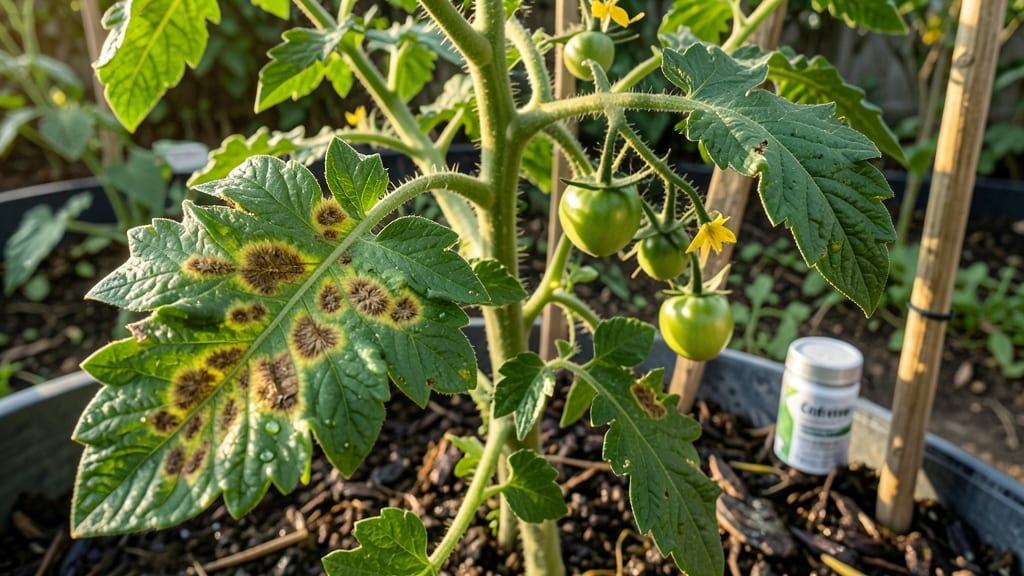
When tomato plants have brown spots on the leaves, your garden is waging a fungal battle—and I’ve helped dozens of gardeners turn this around without losing their harvest. 🌱 The good news?
Early action stops the spread, and the fixes are simpler than you think. Whether it’s early blight, late blight, or something else, we’ll get your plants healthy again in just three focused steps.
Most brown spots start as tiny dots that grow into larger, crusty patches, often with yellow halos around them. This is your plant’s SOS signal—fungus thrives in warm, wet conditions, and without intervention, it spreads to stems and fruit.
The key is acting fast: prune infected leaves immediately, space plants for airflow, and avoid overhead watering. These steps cut off the fungus’s lifeline before it takes hold.
You’ll see new growth within 10-14 days if you tackle this right. Organic options like copper fungicide or neem oil work well for mild cases, while severe infections might need a targeted chemical spray.
The goal isn’t just to stop the spots—it’s to strengthen your plants so they bounce back stronger than ever.
Prevention is where the real magic happens. Rotate crops yearly, remove plant debris after harvest, and choose disease-resistant varieties like ‘Mountain Merit’ or ‘Defiant PhR.’ These small habits keep your garden blight-free season after season—no more panic when those first brown spots appear.
Root Causes of Leaf Spots
Tomato plants developing brown spots on their leaves is rarely just a random fluke—it’s usually a sign of stress, disease, or environmental factors at play. Understanding the why behind these spots is the first step to fixing them.
Below, we break down the most common culprits, backed by science, so you can diagnose the issue accurately and take targeted action.
---
Fungal diseases are the #1 cause of brown spots on tomato leaves, thriving in warm, humid conditions. These pathogens don’t just discolor leaves—they weaken your plant’s ability to photosynthesize, stunting growth and reducing yields.
#### **🍄 Early Blight (Alternaria solani) - How it spreads: Spores land on lower leaves, especially in crowded or poorly ventilated gardens. Rain or overhead watering splashes spores upward, infecting new foliage. - What it looks like: Concentric (target-like) brown spots with yellow halos.
Spots often have tiny black specks (fungal fruiting bodies) in the center. - Why it happens: - High humidity (75%+) + warm temps (70–85°F) create the perfect breeding ground. - Poor air circulation traps moisture on leaves, giving fungi a foothold. - Old crop debris left in soil over winter harbors spores, ready to reinfect next season.
#### 🍅 Late Blight (Phytophthora infestans) - How it spreads: A devastating disease that thrives in cool, wet conditions (50–77°F). Spores spread via wind, water, or contaminated tools. - What it looks like: Dark, greasy-looking spots that spread rapidly, often with white mold on undersides.
Leaves turn brown and crispy within days. - Why it happens: - Prolonged leaf wetness (e.g., morning dew + no sun to dry leaves). - Cool nights + warm days trigger spore production. - Contaminated soil or nearby infected plants (e.g., potatoes, eggplants).
#### 🍂 Septoria Leaf Spot (Septoria lycopersici) - How it spreads: Spores overwinter in plant debris and splash onto leaves during watering or rain. - What it looks like: Small, tan or brown spots with dark edges, often clustered.
Severe cases cause leaves to yellow and drop prematurely. - Why it happens: - Excessive nitrogen fertilizer makes leaves soft and susceptible. - Frequent overhead watering keeps leaves damp for long periods. - Tight planting spacing reduces airflow, trapping moisture.
--- Not all brown spots are fungal—sometimes, your tomato’s leaves are crying out for better conditions.
#### ☀️ Sun Scorch (Burn Spots) - What it looks like: Dry, papery brown patches on leaf edges, often on sides exposed to intense afternoon sun. - Why it happens: - Sudden heat waves (especially after cool weather) overwhelm leaves. - Transplant shock from moving plants too soon into hot conditions. - Lack of shade in high-light areas (e.g., black plastic mulch or reflective surfaces).
#### 💧 Overwatering or Poor Drainage - What it looks like: Yellowing between veins followed by brown, mushy spots (especially on lower leaves).
Roots may smell rotten. - Why it happens: - Waterlogged soil cuts off oxygen, leading to root rot** (Pythium or Phytophthora). - Salty or compacted soil prevents roots from absorbing water efficiently. - Inconsistent watering (e.g., drought followed by heavy watering) stresses plants.
#### 🌬️ Chemical Burn (Fertilizer or Pesticide Damage) - What it looks like: Brown, crispy edges or bleached spots on leaves, often near stems or veins. - Why it happens: - Over-fertilizing with salt-based products (e.g., too much synthetic nitrogen). - Pesticide drift or improper mixing (e.g., copper sprays applied in direct sun). - Hard water (high in minerals) left on leaves after irrigation.
--- Some brown spots aren’t from disease—they’re pest snack marks that weaken your plant.
#### 🐜 Spider Mites - What they leave behind: Stippled brown spots (tiny dots where mites pierce cells) and webbing on leaf undersides. - Why it happens: - Dry, hot conditions (especially in greenhouses) stress plants, making them more vulnerable. - Low humidity reduces natural predators (like ladybugs).
#### 🐛 Aphids or Whiteflies - What they leave behind: Sticky residue (honeydew) that attracts sooty mold (black fungal growth), causing brown discoloration. - Why it happens: - Crowded plants provide shelter for pests. - Weak or stressed plants (from poor soil or disease) are easier targets.
--- Use this quick checklist to narrow down the cause: 1. Check the spot’s texture: Crispy = sun/chemical burn; mushy = fungal/rot; dry dots = pests. 2. Look underneath leaves: Mold or webbing?
Likely fungal or mites. 3. Inspect stems/roots: Soft or discolored? Overwatering or root rot. 4. Note weather patterns: Recent rain + humidity? Fungal. Heatwave? Sun scorch.
Quick Fixes for Brown Spots
Brown spots on tomato leaves don’t have to mean the end of your harvest—with the right approach, you can nurse your plants back to health and prevent future outbreaks. Below are targeted solutions for the most common causes, along with prevention tips to keep your tomatoes thriving. 🌱💪
---
Fungal infections are the #1 culprit behind brown spots, but they’re also the most treatable if caught early.
#### 🔥 Step 1: Remove Infected Leaves (Prune Like a Pro) - How: Use sterilized pruners (wipe with rubbing alcohol) to snip off only the leaves with spots—don’t toss them in your compost! Seal them in a plastic bag and trash them. - Why? Fungal spores spread like wildfire.
Removing infected foliage stops the spread before it reaches your fruit. - Pro Tip: 💡 Prune in the morning when leaves are dry—wet leaves make spores spread faster.
#### 🍳 Step 2: Apply Fungicide (Organic or Chemical) | Option | How to Use | Best For | |--------------------------|-------------------------------------------------------------------------------|---------------------------------------| | Neem Oil | Mix 1 tsp neem oil + 1 tsp mild soap + 1 quart water.
Spray every 7–10 days. | Early blight, prevention | | Copper Fungicide | Follow label rates (e.g., Cheshunt Compound).
Spray at first sign of spots. | Late blight, severe infections | | Baking Soda Spray | 1 tbsp baking soda + 1 quart water + a few drops of soap. Spray weekly. | Mild fungal issues, prevention |
- When? Apply at dawn or dusk to avoid burning leaves. Reapply after rain. - Prevention: 🌡️ Space plants 18–24 inches apart for airflow—fungi love humidity!
#### ⏰ Step 3: Adjust Watering & Airflow - Water at the base (not overhead) to keep leaves dry.
Use a soaker hose or drip irrigation. - Improve airflow by staking or trellising plants (fungi thrive in tight, damp spaces). - Mulch with straw or grass clippings to reduce soil splash onto leaves.
---
If spots appear only on upper leaves and look dry/crispy, it’s likely sun or heat damage.
#### 👨🍳 Step 1: Provide Shade (Temporarily) - Quick Fix: Set up shade cloth (30–50%) for 2–3 hours/day during peak sun (11 AM–3 PM). - Permanent Fix: Plant tomatoes in a morning-sun, afternoon-shade spot (e.g., near a north-facing fence).
#### 🥘 Step 2: Hydrate & Protect Roots - Water deeply (1–2 inches per week) to prevent wilting stress. - Mulch heavily (2–3 inches) to retain moisture and cool roots. - Avoid fertilizing during heatwaves—too much nitrogen = more stress.
#### 🎯 Prevention Tips - Choose heat-tolerant varieties like ‘Solar Fire’ or ‘Heatmaster’. - Reflective mulch (white plastic or aluminum foil) can bounce back sunlight.
---
Tiny pests can cause speckled brown spots (from feeding or droppings).
#### 🔪 Step 1: Blast Off Pests (Non-Toxic Methods) - Spray with water (strong stream to knock off mites/aphids). - Neem oil or insecticidal soap (follow label rates). - Release beneficial insects (ladybugs, lacewings) for long-term control.
#### 🌿 Step 2: Clean Up Debris - Remove fallen leaves (pests hide there). - Rotate crops next season—don’t plant tomatoes in the same spot yearly.
#### ✨ Prevention - Yellow sticky traps catch flying pests early. - Interplant with basil or marigolds to repel bugs naturally.
--- - For severe blight: If >50% of leaves are infected, consider replacing the plant to save your harvest. - Boost immunity: Feed plants with compost tea or fish emulsion (diluted) for a nutrient boost. - Quarantine new plants for 1–2 weeks before adding to your garden.
--- Remember: The key is speed + prevention. Act fast, and your tomato plants will bounce back—healthy leaves mean juicy, spot-free tomatoes! 🍅🔥
Frequently asked questions
Why do tomato leaves get brown spots near the edges first?
Edge browning often signals sun scorch or environmental stress. When leaves receive too much direct sunlight—especially after cool weather—cells dry out and turn crispy along the edges. This is common in hot afternoons or when plants lack proper shade. Check for dry, papery texture; if so, provide afternoon shade with cloth or mulch.
Can I still harvest tomatoes if the leaves have brown spots?
Yes, but focus on fruit health, not leaves. Remove heavily spotted leaves to redirect energy to tomatoes. If spots are fungal (like early blight), spores can spread to fruit—pick tomatoes as soon as they ripen. For sun damage or pests, the fruit usually stays safe unless spots are severe. Always wash tomatoes before eating.
How do I know if my tomato spots are fungal vs. pest damage?
Fungal spots are usually crusty, raised, or greasy with yellow halos (early blight) or white mold (late blight). Pest damage looks like tiny dots, webbing, or sticky residue (aphids/whiteflies). Check leaf undersides: fungal spots often have mold, while pests leave trails or eggs. Use a magnifying glass for close inspection.
Will pruning infected leaves make my tomato plant grow faster?
Not directly, but it saves energy for fruit production. Removing spots stops fungal spread, letting the plant focus on tomatoes instead of fighting disease. Prune only infected leaves (never healthy ones) and sterilize tools between cuts. Healthy plants grow stronger with less stress—just don’t over-prune, as too much removal reduces photosynthesis.
How often should I spray neem oil for prevention?
Every 7–10 days during warm, humid weather is ideal. Mix 1 tsp neem oil + 1 tsp soap per quart of water and spray at dawn or dusk to avoid leaf burn. Stop spraying 2 weeks before harvest to meet organic safety standards. For severe outbreaks, add copper fungicide (follow label rates) for extra protection.