
Plants
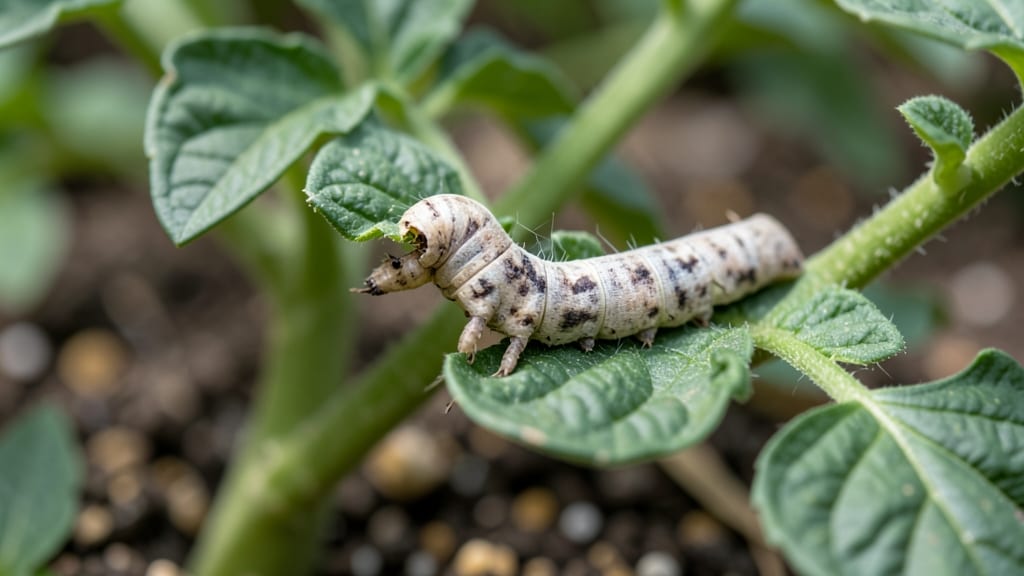
Your tomato plants are being silently devoured from the ground up—cutworms strike fast, and by the time you see the damage, it’s often too late. 🌱 These sneaky caterpillars can wipe out seedlings overnight, leaving behind clean-cut stems that look like someone used scissors.
The good news? You can stop them before they ruin your harvest with the right early action.
Cutworms thrive in moist, dark soil and emerge at night to feed, which is why you might not notice them until your plants collapse like broken toothpicks. They’re most active in late spring and early summer, but a single worm can decimate a whole bed if left unchecked.
The key is catching them early—before they turn your lush tomato plants into a sad, wilted mess.
With a few simple fixes—like collars around stems, diatomaceous earth barriers, or handpicking at dusk—you can save your plants and keep your garden thriving.
I’ve used these methods to rescue entire beds, and the results speak for themselves: stronger stems, bigger yields, and no more midnight munching.
This isn’t just about damage control—it’s about long-term protection. Once you understand their life cycle and habits, you’ll spot them before they strike, and your tomato plants will thank you with juicy, healthy fruit all season long. Let’s get your garden back on track.
The Hidden Triggers Behind Tomato Devastation
Cutworms may seem like sneaky pests, but their damage to tomato plants isn’t random—it’s the result of specific conditions they thrive in. Understanding these triggers is the first step to outsmarting them and protecting your garden. Let’s break down the key factors that turn these caterpillars into tomato plant predators.
Cutworms are drawn to tender, vulnerable seedlings and young tomato plants because their soft stems are easy prey. Here’s why overcrowding and weak growth make your tomatoes a buffet:
- Competition for nutrients: When tomato seedlings are packed too closely, they struggle to develop sturdy stems. Weak stems lack the structural support to resist cutworm chewing, making them prime targets. Think of it like a skyscraper with weak foundations—it collapses under pressure.
- Moisture retention: Dense plantings trap moisture near the soil, creating the humid microclimate cutworms love. High humidity slows plant growth and keeps stems succulent, which cutworms adore.
- Slow hardening-off: Seedlings that haven’t properly hardened (acclimated to outdoor conditions) have thinner cell walls, making them easier for cutworms to sever.
Actionable fix: Space seedlings at least 18–24 inches apart and thin crowded areas. Use drip irrigation to keep soil moist without creating soggy conditions. Harden seedlings gradually by exposing them to outdoor conditions for 1–2 weeks before transplanting.
Cutworms are nocturnal hunters, and their activity peaks under the cover of darkness. Here’s why your tomatoes get munched after sundown:
- Predator avoidance: Birds, lizards, and other daytime predators keep cutworms hidden during the day. Once the sun sets, they emerge to feed unchecked.
- Cooler temperatures: Nighttime temperatures (around 60–70°F) are ideal for cutworm activity. They become sluggish in extreme heat or cold, but mild evenings are their sweet spot.
- Moonlight’s role: Studies show cutworms are more active on nights with a full or partial moon, as the extra light helps them navigate and locate plants.
Actionable fix: Install motion-activated lights or solar-powered floodlights near your tomato patch to deter nighttime feeding. Alternatively, handpick cutworms after dark (they’re slow-moving and easy to spot on white sheets laid over plants).
Cutworms aren’t picky eaters—they’ll dine on almost any plant debris or organic material. But why do they cluster in certain areas of your garden?
- Decaying leaves and mulch: Cutworms hide and feed in thick layers of organic matter, like fallen leaves, grass clippings, or wood chips. These layers provide shelter and a steady food source.
- Compost piles: While compost is great for soil health, it can also attract cutworm eggs. The warm, moist environment is perfect for their lifecycle.
- Weedy areas: Weeds like lamb’s quarters or purslane host cutworm eggs and provide alternative food sources, increasing their population near your tomatoes.
Actionable fix: Keep your garden beds clean and tidy, removing debris and weeds regularly. If using mulch, opt for straw or shredded leaves (less attractive to cutworms than wood chips) and apply it in thin layers. Turn compost piles frequently to disrupt egg-laying.
Cutworms thrive in specific soil conditions that accelerate their growth and reproduction. Here’s how temperature and moisture play into their damage:
- Ideal hatching temperatures: Cutworm eggs hatch best in soil temperatures between 60–85°F. If your garden heats up in spring or early summer, you’ll see a surge in cutworm activity.
- Moisture retention: Cutworms need damp soil to survive their larval stage. Overwatered or poorly drained soil creates the perfect environment for them to burrow and feed.
- Slow-drying mulch: Mulches like grass clippings or untreated wood can stay damp longer, extending the cutworm’s active season.
Actionable fix: Monitor soil temperature with a soil thermometer and avoid overwatering. Use drip irrigation to deliver water directly to roots without saturating the soil surface. If your garden tends to stay damp, consider raised beds with good drainage.
By addressing these triggers, you’ll disrupt the conditions that invite cutworms to your tomato plants. The key is proactive prevention—combining proper spacing, nighttime deterrents, garden hygiene, and soil management will make your tomatoes far less appealing to these hungry caterpillars.
Quick Fixes for Chewed Tomato Leaves
Cutworms may seem like a tiny, sneaky threat, but with the right strategies, you can stop their damage in its tracks and protect your tomato plants before they turn into a buffet.
The key is acting fast—whether you’re dealing with overnight slashes or early signs of trouble. Below, we break down practical, garden-tested solutions tailored to the root causes of cutworm attacks.
If you’ve spotted freshly chewed stems or leaves, cutworms are likely still lurking nearby. The simplest (and most satisfying) fix? Go hunting at dusk or dawn—that’s when these nocturnal munchers are most active.
- 👨🍳 Shine a flashlight around the base of your tomato plants. Cutworms will curl up like little green caterpillar burritos when disturbed.
- 🔪 Drop them into soapy water (a bucket with a few drops of dish soap) to kill them instantly. Avoid squishing them—their scent can attract more pests!
- ⏰ Repeat every 2–3 days until you’ve cleared the area. Consistency is key!
Pro Tip: 💡 Place a white bowl or plate near your plants overnight. Cutworms will hide underneath—just flip it in the morning and dispose of them.
Prevention is your best weapon. Cutworms can’t climb, so creating a physical barrier around young tomato seedlings or stems stops them from feasting before they even start.
- 📊 Materials you’ll need:
- Cardboard egg cartons
- Aluminum foil
- Plastic or metal collars (or even rolled-up newspaper)
- 👨🍳 Cut 2-inch-wide strips and wrap them around the base of each stem, burying the bottom 1 inch into the soil.
- 🔥 For extra protection, line the collar with crushed eggshells or diatomaceous earth (a natural abrasive that dehydrates cutworms).
Pro Tip: ✨ Use toilet paper rolls as biodegradable collars for seedlings—they’ll break down as your plants grow!
Cutworms are opportunistic, so trick them into targeting something else while your tomatoes stay safe. Plant a sacrificial trap crop nearby to lure them away.
- 🥗 Best trap plants:
- Lettuce
- Spinach
- Radishes
- Cabbage
- 🌡️ Plant them 3–4 feet away from your tomatoes. Check them daily and remove any cutworms you find.
- 🎯 Bonus: Add marigolds around the perimeter—their strong scent repels pests naturally.
Pro Tip: 🔥 Sprinkle wood ash or crushed red pepper flakes near trap crops to make them even more unappetizing to cutworms.
For a chemical-free approach, these sprays disrupt cutworms’ feeding habits without harming your plants (or you!).
| Remedy | How to Use |
|---|---|
| Beauveria bassiana (Bio-Cutworm) | Sprinkle this fungal powder around plant bases. It infects and kills cutworms in 48 hours. |
| Neem Oil Spray | Mix 1 tsp neem oil + 1 tsp mild soap + 1 quart water. Spray early in the morning to avoid harming bees. |
| Garlic & Chili Spray | Blend 4 garlic cloves + 1 tbsp cayenne pepper + 1 quart water. Strain and spray around plants. Reapply after rain. |
Pro Tip: 🌡️ Spray in the evening—cutworms are less active during the day, so the solution has time to work overnight.
If cutworms have already devastated your plants and other methods fail, consider targeted pesticides. But proceed with caution—these can harm beneficial insects and leave residues.
- 📊 Best options:
- Bacillus thuringiensis (Bt) – Organic, stomach poison for caterpillars (including cutworms). Safe for humans and pets.
- Spinosad – Derived from soil bacteria, effective but reapply every 7–10 days.
- 🎯 Application tips:
- Apply at dusk when cutworms are active.
- Focus on soil and lower leaves, not the entire plant.
- Avoid spraying if bees are present.
Pro Tip: ⏰ Rotate methods to prevent cutworms from building resistance. Never use chemical pesticides as your first line of defense.
With these fast-acting fixes, your tomato plants stand a fighting chance. The sooner you act, the sooner you’ll be back to enjoying plump, unchewed tomatoes straight from your garden! 🍅🔥
Frequently asked questions
What do cutworm-damaged tomato plants look like?
Look for stems that appear cleanly cut at the base, like someone used scissors. You’ll often find chewed leaves around the soil line, and young plants may suddenly wilt or collapse. Check for small, dark green caterpillars hiding in the soil or under leaves at night.
Can cutworms kill mature tomato plants?
While they prefer young seedlings, cutworms can still damage mature plants by chewing stems or leaves. However, established plants with thick stems usually survive. The real danger is to seedlings—if cutworms decimate them early, your entire harvest could fail.
How do I know if my tomato plants have cutworms vs. other pests?
Cutworms leave clean-cut stems at soil level, unlike slugs (which leave slime trails) or aphids (which cause curled leaves). At night, shine a flashlight—cutworms will curl up when disturbed. Also check for their shed skins or droppings near the base of plants.
Will diatomaceous earth work on cutworms?
Yes! Food-grade diatomaceous earth creates a sharp barrier that dehydrates cutworms. Sprinkle a thin layer around plant stems and water lightly to activate it. Reapply after rain, as it loses effectiveness when wet. Avoid using it if you have bees or other beneficial insects nearby.
Can I use coffee grounds to repel cutworms?
Coffee grounds can help as a mild deterrent, but they’re not as effective as other methods. The caffeine content may repel some pests, but cutworms often ignore them. For better results, mix coffee grounds with crushed eggshells or wood ash around plant bases.