
Companion Plants
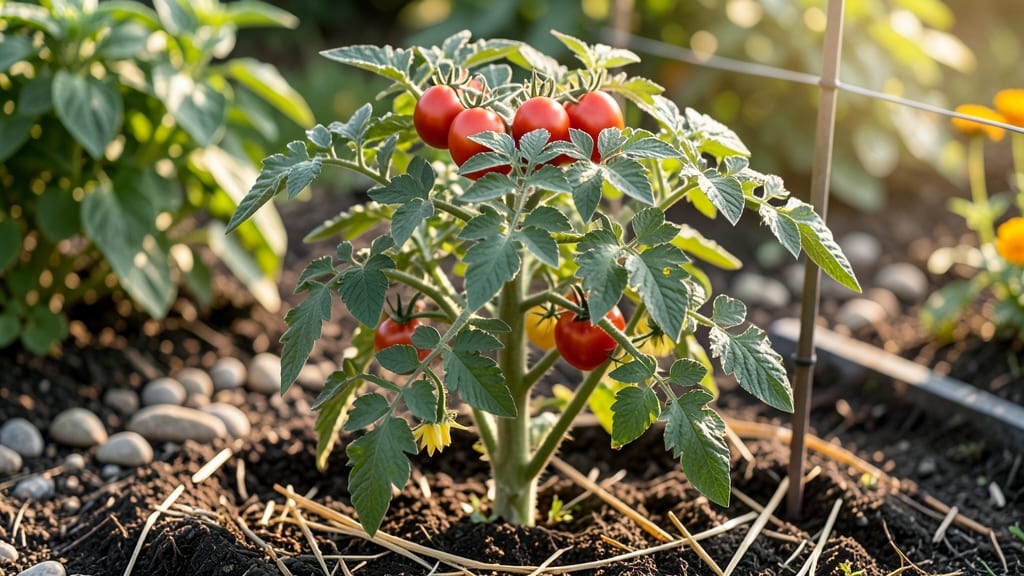
Determinate tomato plants deliver a bountiful harvest in just 60 days—no sprawling vines or endless pruning required. 🌱 Honestly, I used to avoid them because I thought they were too fussy, but after my first dense, bushy plants filled with ripe tomatoes by July, I was hooked.
These compact varieties produce all their fruit at once, making them perfect for canning, sauces, or fresh eating in waves.
What sets them apart is their growth habit: they stay 3-5 feet tall (no trellis needed) and stop growing once they fruit. That means less work for you—no staking, no topping, just steady care.
The trade-off? You’ll need to replant every year since they’re annuals, but the payoff is a heavy harvest that rivals indeterminate varieties in flavor and productivity.
Here’s the secret to success: plant them 18-24 inches apart in full sun, water deeply once a week (more in heatwaves), and fertilize lightly with compost. Avoid pruning unless you see suckers—these plants thrive on their own structure.
By late summer, you’ll have bushels of tomatoes ready to pick in just a few weeks.
They’re ideal for small spaces, containers, or gardeners short on time. Just don’t skip the supportive cages if your variety tends to flop—trust me, it’s worth the extra step. Now, let’s get those plants in the ground!
📚 In This Guide
- What you need
- Instructions
- Tips and common mistakes
- Wrapping up and next steps
What you need
- ● Determinate tomato seeds or seedlings: Choose fast-maturing varieties like 'Early Girl', 'Patio', or 'Roma' (3–5 plants for a small harvest).
- ● Containers or garden beds: 5-gallon pots (1 plant per pot) or larger (for multiple plants).
- ● Fabric grow bags (5–10 gallons) for better drainage.
- ● Raised beds (12" deep) if planting in-ground.
- ● High-quality potting mix: 2–3 bags (sterile, well-draining blend with compost).
- ● Slow-release fertilizer: 10–20 lb bag (balanced 10-10-10 or tomato-specific).
- ● Tomato cages or stakes: 4–6 ft tall (1 per plant).
- ● Mulch: Straw or shredded leaves (1–2 bags).
- ● Drip irrigation or watering can: 1–2 gallons capacity.
- ● Gloves & pruners: For handling plants and trimming suckers.
- ○ pH testing kit: To ensure soil pH is 6.0–6.8 (optional but helpful).
- ● Sunlight access: 6+ hours of direct sun daily (south-facing window or balcony).
- ○ Optional but handy: Fish emulsion or compost tea (for extra nutrients).
- ● Row covers (to protect from pests or cold snaps).
- ● Trellis system (if growing vertically).
Step-by-Step guide to growing determinate tomato plants
Here's how to cultivate compact, high-yielding tomato varieties that deliver fruit in just two months.
🌱 Step 1: Select the Right Varieties and Planting Time
Determinate tomatoes thrive when planted 4-6 weeks before your last frost date—this ensures they mature before cooler weather sets in. Choose varieties like 'Roma,' 'Celebrity,' or 'Patio Princess,' which produce fruit in tight clusters along the stem rather than sprawling vines. These compact plants reach 3-4 feet tall and are perfect for containers or small gardens.
I always check my local frost dates and mark the planting window on my calendar. For example, in Zone 7, that means planting in early April. The key is getting them in the ground early enough so they can focus on fruiting rather than leafy growth. If you're starting from seed, begin indoors 6-8 weeks before transplanting to give seedlings a strong head start.
☀️ Step 2: Prepare Full-Sun Planting Sites or Containers
Determinate tomatoes need 6-8 hours of direct sunlight daily—no compromise here. In containers, use pots at least 12 inches deep and wide with drainage holes to prevent root rot. For in-ground planting, amend the soil with 2-3 inches of compost and a balanced fertilizer like 10-10-10 to give them a nutrient boost from day one.
I like to add a handful of bone meal to the planting hole—it provides phosphorus for strong root development and early flowering. Space plants 18-24 inches apart in rows 2-3 feet apart to allow airflow and prevent disease. If using containers, place them where they won’t be shaded by other plants as they grow.
💧 Step 3: Water Deeply and Consistently After Transplanting
Water determinate tomatoes 1-1.5 inches per week, ensuring the soil stays evenly moist but not soggy. The secret to compact growth is deep watering—aim for 6-8 inches deep to encourage strong root systems. I water in the morning so foliage dries quickly, reducing the risk of fungal diseases like early blight.
Watch for wilting leaves in the afternoon—this is your signal to water immediately. Mulch with 2-3 inches of straw or shredded leaves to retain moisture and keep soil temperatures stable. Avoid overhead watering once flowers appear, as wet blossoms can lead to blossom-end rot or cracked fruit.
✂️ Step 4: Prune and Support for Compact Growth
Determinate tomatoes don’t need heavy pruning, but I remove any suckers that form in the leaf axils to redirect energy to fruit production. These plants naturally produce a bushy shape, so focus on removing only the lowest leaves that touch the soil to prevent disease. Use small pruning shears for clean cuts—never tear stems.
Stake or cage plants at transplanting to support their weight as they fruit. I prefer sturdy tomato cages for determinate varieties because they’re less likely to topple under heavy clusters. If using stakes, tie stems loosely with soft plant ties every 6-8 inches to prevent damage as the plant grows.
🍅 Step 5: Harvest at Peak Ripeness for Maximum Flavor
Determinate tomatoes produce fruit in waves, so check plants every 2-3 days once they start ripening. Harvest when fruit is fully colored and slightly soft to the touch—this ensures the best flavor and encourages more production. Use pruning shears or gently twist the stem to avoid damaging the plant.
I always harvest first thing in the morning when fruit is coolest and most flavorful. Store harvested tomatoes at room temperature for 3-5 days or refrigerate for longer storage. Once the first flush of fruit ripens, expect a second wave in 2-3 weeks, making determinate varieties ideal for quick, concentrated harvests.
Tips & tricks for perfect determinate tomato growth
These practical insights will help you maximize your harvest while avoiding common pitfalls with compact tomato varieties.
Variety Selection: When choosing determinate varieties, opt for disease-resistant hybrids like 'Mountain Merit' or 'Better Boy' if you're in a humid climate. These varieties handle stress better and produce more consistently. I've found that Roma-type tomatoes, while classic, can be more susceptible to cracking—so if you're growing them, monitor soil moisture closely during fruit development.
Container Considerations: If growing in containers, select pots with at least 12-inch depth and width—anything smaller restricts root growth and reduces yield. I always add a layer of gravel at the bottom for drainage, then fill with a lightweight potting mix blended with 20% compost. This prevents compaction while providing nutrients. The key is ensuring the container stays stable as the plant grows heavy with fruit.
Pruning Strategy: Focus your pruning efforts on removing only the lowest leaves that touch the soil in Step 4—this prevents disease while maintaining airflow. I also recommend removing any suckers that form below the first flower cluster to direct energy to fruit production rather than foliage. Use clean pruning shears and make cuts at a 45-degree angle to prevent water from pooling on the stem.
Harvest Timing: The 2-3 day harvest window mentioned in Step 5 is crucial for flavor and production. I check my plants first thing in the morning when fruit is coolest and firmest. A gentle squeeze should yield slightly—if it feels rock-hard, it needs more time; if it's too soft, it's overripe. Harvesting at this stage encourages the plant to produce another flush of fruit in just 2-3 weeks.
Pro Tips for Determinate Tomato Plants
- These practical insights will help you maximize your harvest while avoiding common pitfalls with compact tomato varieties.
- Variety Selection: When choosing determinate varieties, opt for disease-resistant hybrids like 'Mountain Merit' or 'Better Boy' if you're in a humid climate.
- Container Considerations: If growing in containers, select pots with at least 12-inch depth and width—anything smaller restricts root growth and reduces yield.
Frequently asked questions
Got questions about growing determinate tomato plants? You’re not alone! These compact powerhouses are perfect for small spaces, but they come with their own quirks. Here are answers to the most common questions to help you grow like a pro.
What’s the fastest way to get a harvest from determinate tomatoes?
Determinate tomatoes are bred for speed—expect ripe fruit in 55–65 days from transplanting! To rush the process, start seeds indoors 6–8 weeks before your last frost, use heat mats for faster germination, and fertilize with a balanced tomato-specific feed (like 5-10-10) every 2–3 weeks. Pro tip: Prune suckers aggressively (but leave 3–5 main stems) to redirect energy to fruit production.
Can I grow determinate tomatoes in containers or small gardens?
Their compact size (usually 3–5 feet tall) makes them ideal for containers, raised beds, or even hanging baskets. Use pots at least 12–18 inches deep with drainage holes, and choose dwarf varieties like ‘Tiny Tim’ or ‘Patio Princess’ for ultra-small spaces. Just ensure they get 6–8 hours of sun daily and water consistently—containers dry out faster!
Why are my determinate tomatoes cracking, even though they’re ripe?
Cracking is a common issue, often caused by uneven watering or rapid growth spurts. Keep soil consistently moist (not soggy!) and mulch to stabilize moisture levels. If cracks appear, harvest the tomatoes immediately—they’re still safe to eat! For prevention, avoid heavy watering late in the day and consider drip irrigation for steady hydration.
What are the best companion plants for determinate tomatoes?
Determinate tomatoes thrive with basil, marigolds, onions, and lettuce—these companions deter pests and improve flavor. Avoid planting near brassicas (cabbage family) or corn, as they compete for nutrients. For vertical gardens, try pairing them with bush beans or strawberries to maximize space. Bonus: Interplant with nasturtiums to lure aphids away!
How do I extend the season for determinate tomatoes in cool climates?
Use row covers, cold frames, or black plastic mulch to protect plants from early frost. Choose heat-tolerant varieties like ‘Stupice’ or ‘Mountain Merit,’ and start seeds indoors 4–6 weeks earlier than your typical schedule. If frost threatens, harvest green tomatoes and ripen them indoors with bananas or apples (their ethylene gas speeds up ripening!).
Wrapping up and next steps
Growing determinate tomato plants is your ticket to a fast, rewarding harvest—perfect for small spaces, containers, or busy gardeners! 🌱 These compact powerhouses deliver sweet, flavorful tomatoes in just 60 days, making them ideal for succession planting or late-season crops.
Whether you’re a beginner or a seasoned gardener, their predictable growth and high yields prove that big rewards come in small packages.
Ready to plant your next success? Start by choosing your favorite determinate variety (like ‘Early Girl’ or ‘Roma’) and mark your calendar for a mid-summer harvest. Now’s the time—grab your gloves and get growing! 🌿