
How To
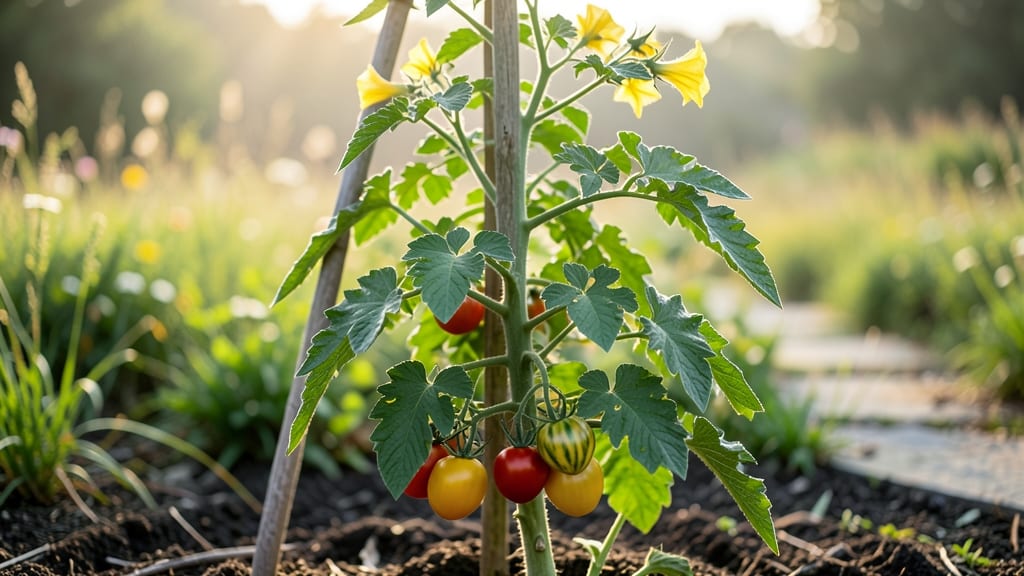
Growing heirloom tomato plants from seed to vine means tasting tomatoes you won’t find in stores—bursting with flavor and packed with history. 🌱 I’ve learned that heirlooms thrive when you mimic their natural growing conditions, and the difference between a good harvest and a great one often comes down to soil, sunlight, and patience.
The real secret isn’t complicated: start seeds indoors 6-8 weeks before your last frost, use a rich, well-draining soil mix, and give them 6-8 hours of full sun daily.
Prune aggressively to focus energy on fruit, and feed with organic matter like compost or worm castings every 3-4 weeks. My first harvest of Brandywine tomatoes last summer had me picking 10 pounds in just 3 weeks—and that was with a small backyard plot.
By following these steps, you’ll end up with vines heavy with fruit, leaves that stay lush, and tomatoes so flavorful they’ll make store-bought ones taste bland.
The key is consistency: watch for early signs of disease, stake or cage plants to avoid sprawl, and never let the soil dry out completely. Even in small spaces, you can grow enough for fresh salads, sauces, and summer snacks.
This method works for determinate (bush) varieties like Roma or indeterminate (vining) types like Cherokee Purple, and it adapts to containers, raised beds, or in-ground gardens.
Whether you’re a first-timer or a seasoned gardener, these heirlooms will reward you with homegrown perfection—and maybe even a few extra jars of summer sauce to share.
Root Causes Of Tomato Troubles
Heirloom tomato plants are finicky—when they struggle, it’s usually because of a mix of environmental stress, biological attacks, or simple mismanagement. Understanding the why behind common issues helps you fix them before they spiral.
Below, we break down the science and real-world triggers that turn your lush seedlings into sad, underperforming bushes.
Heirloom tomatoes are sensitive to extreme temperatures, especially when young or fruiting. Here’s how heat and cold derail growth:
- Cold Snaps (Below 50°F/10°C):
Tomatoes are tropical plants—cold slows photosynthesis, stunts roots, and causes blossom drop (flowers abort before fruiting). If temps dip below 55°F (13°C) at night, pollen weakens, leading to poor fruit set.
Science note: Chilling injury disrupts cell membranes, causing calcium imbalance in flowers, which triggers abscission (the plant’s way of saying “sorry, no tomatoes today”).
- Heat Waves (Above 90°F/32°C):
When daytime temps soar, tomatoes stop pollinating—flowers wilt, pollen grains clump together (instead of drifting to stigmas), and fruit fails to develop. Even if flowers set, heat stress can cause:
- Blossom end rot (calcium deficiency triggered by uneven water uptake)
- Sun scald (white/yellow patches on exposed fruit)
- Catfacing (deformed fruit from disrupted growth)
- Frost Damage:
Frost kills plant tissue instantly, turning leaves black and crispy. Even a light freeze can stop sap flow, leading to wilting and root rot if the plant survives.
Actionable fix: Use row covers for cold snaps, shade cloth in heatwaves, and mulch to stabilize soil temps. Choose heat-tolerant varieties (like ‘Solar Fire’ or ‘Heatmaster’) if your climate is extreme.
Water is the #1 killer of heirloom tomatoes—but it’s not just about quantity. Inconsistent moisture throws off nutrient uptake, leading to a cascade of problems.
| Problem | Cause | Symptoms |
|---|---|---|
| Underwatering |
Shallow roots (from dry soil) can’t absorb water efficiently. Tomatoes need 1–2 inches of water per week—less causes:
|
|
| Overwatering |
Soggy soil drowns roots by cutting off oxygen. Tomatoes hate “wet feet” because:
|
|
| Inconsistent Watering |
Fluctuating moisture causes calcium uptake failures because:
|
|
Actionable fix:
- Water deeply 2–3 times per week (early morning) with drip irrigation or soaker hoses.
- Add compost to improve soil water retention.
- Use mulch (straw or grass clippings) to keep roots cool and moist.
- For calcium issues, side-dress with crushed eggshells or use calcium nitrate fertilizer.
Heirloom tomatoes are magnets for pests and pathogens because their thin skins and tender leaves make easy targets. Here’s what’s really attacking your plants:
- Fungal Diseases (Early Blight, Late Blight, Powdery Mildew):
Fungi like Alternaria solani (early blight) and Phytophthora infestans (late blight) spore in moist conditions. They:
- Clog stomata (leaf pores), blocking gas exchange
- Release toxins that cause cell death (brown spots, wilting)
- Weak roots can’t support the plant, leading to collapse
- Bacterial Issues (Bacterial Spot, Wilt):
Bacteria like Xanthomonas perforans enter through wounds (pruning cuts, hail damage) and:
- Block xylem vessels (water/nutrient transport), causing wilting
- Create oozing lesions that spread via rain splash
- Insect Attacks (Aphids, Hornworms, Whiteflies):
Pests sap leaves, lay eggs in fruit, or transmit viruses. For example:
- Aphids inject toxic saliva, causing curl leaves and stunted growth
- Hornworms defoliate plants, removing chlorophyll needed for photosynthesis
Quick Fixes for Common Tomato Troubles
Growing heirloom tomatoes is rewarding, but even the most seasoned gardeners face challenges. The good news? Most issues have simple, effective solutions—if you act fast.
Below, we’ve mapped out the most common problems (from the previous section) and paired them with practical fixes, plus prevention tips to keep your plants thriving. Think of this as your tomato plant first-aid kit!
Cause: Too much heat, poor pollination, or inconsistent watering. Fix It:
- 🌡️ Beat the Heat: Provide afternoon shade with a lightweight row cover or shade cloth (especially in 90°F+ weather). Mulch with straw to keep roots cool.
- 🐝 Boost Pollination: Gently shake plants in the morning (when bees are active) or hand-pollinate with a small brush. Avoid over-fertilizing with nitrogen—switch to a phosphorus-rich fertilizer (like 5-10-10) to encourage flowering.
- 💧 Water Wisely: Use drip irrigation or soaker hoses to deliver 1–1.5 inches of water per week, keeping soil consistently moist but not soggy.
Prevent It:
- Choose heat-tolerant heirloom varieties like ‘Solar Fire’ or ‘Heatmaster.’ Plant in late spring (after the last frost) to avoid early-season heatwaves.
- Avoid overhead watering—wet flowers can lead to disease and poor pollination.
Cause: Uneven watering (drought followed by heavy rain) or rapid growth spurts. Fix It:
- 💦 Adjust Watering: Switch to drip irrigation or deep watering 2–3 times per week (early morning). Avoid letting soil dry out completely, then getting drenched.
- 🥄 Harvest Early: Pick tomatoes when they’re 70–80% ripe (they’ll ripen indoors). Use a sharp knife to cut stems cleanly to prevent further damage.
- 🌿 Prune Strategically: Remove suckers (side shoots) to reduce the plant’s workload. Focus on 6–8 main stems for better airflow and even ripening.
Prevent It:
- Mulch heavily (3–4 inches of straw or wood chips) to retain moisture and regulate soil temperature.
- Avoid late-season fertilizing—it can spur rapid growth. Stick to balanced fertilizer (10-10-10) early in the season.
Cause: Aphids, hornworms, whiteflies, or spider mites thrive in warm, humid conditions. Fix It:
- 🪰 Physical Barriers: Use row covers early in the season to block pests. For hornworms, handpick them (they’re easy to spot—green with white stripes!).
- 💦 Spray Solutions:
- Aphids/Whiteflies: Blast off with a strong stream of water, then spray neem oil (1 tbsp per gallon of water) or insecticidal soap.
- Spider Mites: Increase humidity with a misting bottle or shade cloth. Spray with horticultural oil (follow package rates).
- 🐝 Encourage Predators: Plant basil, marigolds, or dill nearby to attract ladybugs and lacewings, which eat tomato pests.
Prevent It:
- Rotate crops yearly to disrupt pest life cycles.
- Clean up debris in fall—burn or compost old plant matter to kill overwintering pests.
Cause: Overwatering, poor airflow, or contaminated soil. Fix It:
- 🌬️ Improve Airflow: Space plants 18–24 inches apart and prune lower leaves to reduce humidity near the soil.
- 💧 Water at the Base: Avoid wetting foliage. Water early in the day so leaves dry quickly.
- 🧴 Fungicide Sprays:
- Early Blight: Apply copper fungicide (like Bordeaux mixture) every 7–10 days.
- Powdery Mildew: Spray with baking soda solution (1 tbsp baking soda + 1 tsp soap + 1 gallon water).
- Fusarium/Wilt: Remove infected plants immediately (don’t compost them!). Disinfect tools with rubbing alcohol.
Prevent It:
- Solarize soil in late summer (cover with clear plastic for 4–6 weeks) to kill fungal spores.
- Choose resistant varieties like ‘Mountain Merit’ (blight-resistant) or ‘Defiant PhR’ (fusarium-resistant).
Cause: Nitrogen deficiency, iron chlorosis, or root rot. Fix It: - 📊 Diagnose the Problem: - Lower leaves yellow? → Nitrogen deficiency. Apply compost tea or a balanced fertilizer (20-20-20). - Young leaves yellow? → Iron deficiency.
Sprinkle chelated iron or use Epsom salt (1 tbsp per gallon of water). - Mushy stems? → Root rot. Stop watering for a few days, then repot in fresh, well-draining soil. - 🌱 Check the Soil: Heirlooms prefer slightly acidic soil (pH 6.0–6.8).
Test with a soil kit and amend with lime (to raise pH) or sulfur (to lower it).
Prevent It:
- Mulch heavily to prevent soil compaction and nutrient loss.
- Avoid over-fertilizing—too much nitrogen = soft, leafy growth (fewer tomatoes!).
- 🌡️ Monitor Weather: Use a plant thermometer to track heat spikes. Heirlooms struggle above 95°F. - 🕒 Harvest Regularly: Picking ripe tomatoes stimulates more production.
Aim for every 2–3 days in peak season. - 🔄 Save Seeds: Let a few tomatoes fully ripen on the vine, then ferment the pulp to clean seeds for next year’s garden!
Remember: Heirloom tomatoes are worth the effort—once you master these fixes, you’ll be rewarded with juicy, flavor-packed fruits that store-bought can’t match. 🍅✨ Now go forth and grow!
Frequently asked questions about growing heirloom tomatoes
How long does it take for heirloom tomato plants to produce fruit?
Most heirloom tomato varieties take 60-85 days from transplant to first ripe fruit, depending on the variety and growing conditions. For example, early varieties like 'Stupice' may produce in 55-60 days, while larger heirlooms like 'Brandywine' take closer to 80-85 days. Starting seeds indoors 6-8 weeks before your last frost ensures you'll have ripe tomatoes by mid-summer.
Can I grow heirloom tomatoes in containers?
Many heirloom varieties thrive in containers, especially determinate (bush) types like 'Roma' or 'Patio Princess'. Choose containers at least 12-18 inches deep with drainage holes, and use a high-quality potting mix enriched with compost. For indeterminate varieties, opt for 5-gallon buckets or larger to support their vining growth. Just ensure they get 6-8 hours of full sun daily.
Why are my heirloom tomato flowers falling off without producing fruit?
This is called blossom drop, and it's usually caused by temperature stress (below 55°F or above 90°F) or poor pollination. Try gently shaking plants in the morning to help pollen transfer, or hand-pollinate with a small brush. Also, avoid over-fertilizing with nitrogen—switch to a phosphorus-rich fertilizer (like 5-10-10) to encourage flowering.
What's the best way to prune heirloom tomato plants?
For indeterminate varieties, prune aggressively to focus energy on fruit production. Remove suckers (side shoots between main stems and branches) regularly, keeping only 6-8 main stems. Also prune lower leaves to improve airflow and reduce disease risk. Determinate varieties need minimal pruning—just remove diseased or yellowing leaves. Always use clean, sharp pruners to avoid spreading disease.
How do I save seeds from heirloom tomatoes?
Let a few tomatoes fully ripen on the vine (they'll be sweeter and more flavorful too!). Scoop out the seeds and pulp into a jar, add water, and stir daily for 3-5 days until mold forms on top. Skim off the mold, pour the liquid through a strainer, and rinse the seeds until they smell neutral. Dry them on a paper towel for 1-2 weeks before storing in an airtight container in a cool, dark place.