
How To
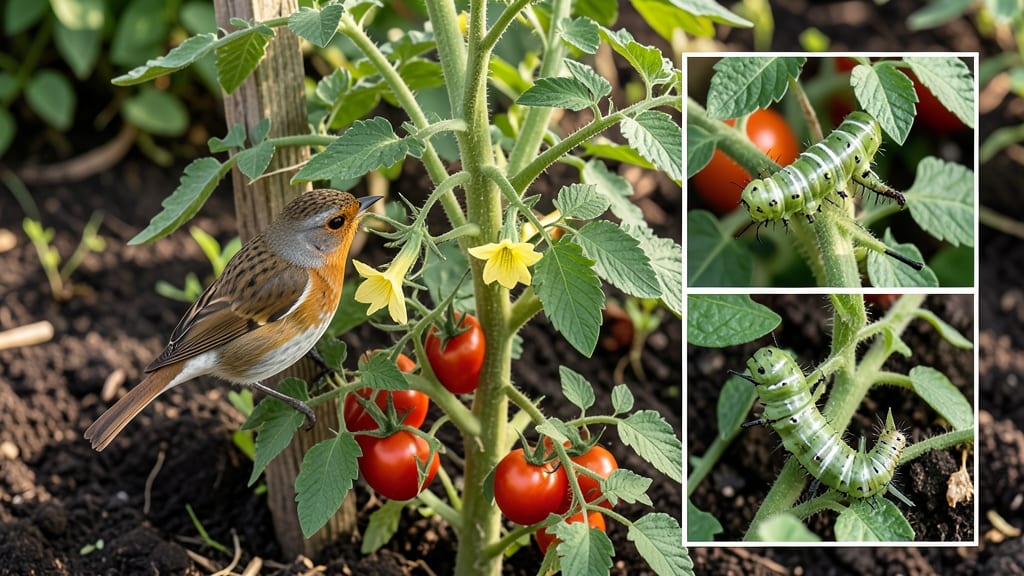
Birds do eat tomato hornworms, especially insectivorous species like robins, sparrows, and warblers, which naturally prey on them to control garden pests and support their diet with high-protein larvae.
Many gardeners don't realize how effective birds are at controlling tomato hornworms naturally. 🌿 These feathered allies hunt down the caterpillars during daylight hours, often targeting them when they're most vulnerable on plant leaves.
The protein-rich larvae make up a significant portion of their diet, especially during breeding season when they need extra energy. I've seen firsthand how a thriving bird population can drastically reduce hornworm damage in my own garden—sometimes even eliminating them entirely when conditions are right.
What's fascinating is how birds locate these pests. They rely on both sight and movement—spotting the hornworms' distinctive green color against foliage or noticing their wriggling as they feed.
This natural pest control isn't just beneficial for tomatoes; it creates a healthier ecosystem by maintaining the balance between predators and prey in your garden. The key is understanding which bird species are most effective and how to create an environment that attracts them.
💡 In This Article
- Identifying Birds That Prey on Tomato Hornworms
- How to Attract Hornworm-Eating Birds to Your Garden
Identifying birds that prey on tomato hornworms
Birds with sharp vision and agile hunting techniques are the most effective at controlling tomato hornworms. Robins, for example, use their keen eyesight to spot the caterpillars' bright green bodies against tomato leaves—often targeting them when they're 1-2 inches long, the size where they're most vulnerable.
Their hunting strategy involves quick pecking motions, which can remove 50-100 hornworms per hour during peak activity periods. 🌿
The diet of many insect-eating birds shifts dramatically during breeding season, with hornworms becoming a 20-30% protein boost to their meals. Warblers, particularly the black-throated green warbler, are known to hover near plants and snatch hornworms mid-feeding.
Sparrows, meanwhile, prefer ground foraging and often target hornworms that have dropped from plants. These birds aren't just helping your garden—they're also supporting their own energy needs, especially when raising nestlings that require high-protein diets.
What makes these birds so effective is their hunting specialization. Bluebirds, for instance, have been observed carrying hornworms to their nestlings as food—a behavior that creates a natural feedback loop where more birds mean fewer pests.
The key identifying feature to watch for is their rapid, precise pecking near tomato plants, often accompanied by a slight hopping motion as they search foliage. Unlike generalist feeders, these species have evolved to target high-protein insects like hornworms during their most active growth phases.
Size matters too. Larger birds like American robins can handle hornworms up to 3-4 inches in length, while smaller species like chickadees focus on the ½-1 inch larvae. This size specialization means a diverse bird population provides comprehensive pest control across all hornworm life stages.
The visual cues birds rely on include the caterpillars' distinctive white diagonal stripes and their tendency to curl up when threatened—both easy targets for a well-honed avian predator.
Here's what to look for when identifying these natural pest controllers:
- Robins: Bright red breasts, often seen hopping on lawns while scanning foliage
- Warblers: Small, colorful bodies with rapid wing flicks while foraging
- Bluebirds: Vibrant blue plumage with white bellies, frequently perching on low branches
- Chickadees: Black caps and bibs, making quick, precise movements near plants
The presence of these birds isn't just about aesthetics—it's an indicator of a healthy garden ecosystem where natural pest control is already at work. 🌱