
Companion Plants
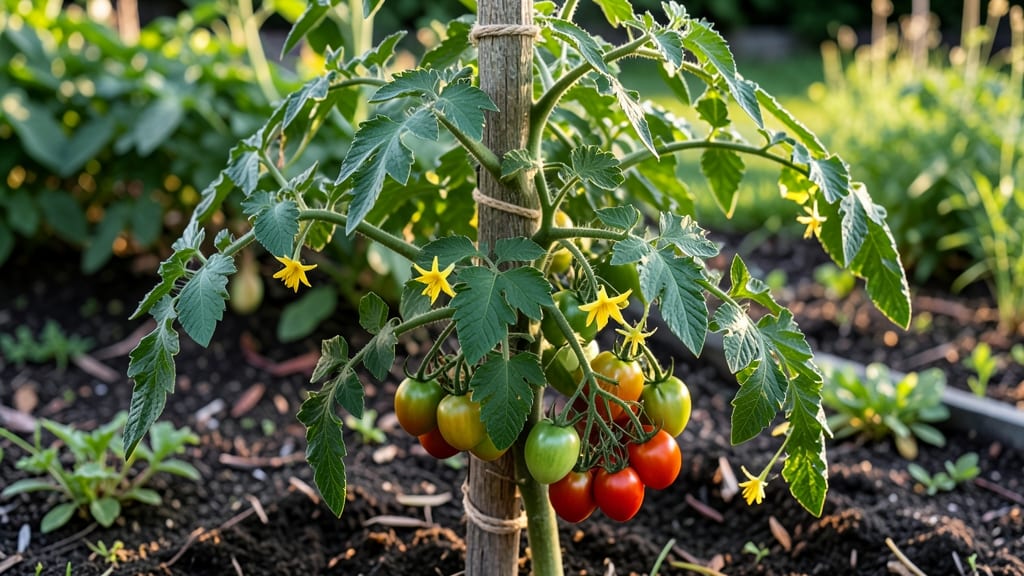
Growing Druzba tomato plants in your backyard means juicy, heat-loving tomatoes that produce like crazy—even when space is tight. 🌱 These Russian-bred beauties handle summer heat better than most varieties, and their compact growth makes them perfect for containers or small gardens.
My first batch last summer gave me 20+ pounds of tomatoes from just two plants in a 5-gallon pot! The secret to their success lies in the right soil mix and consistent watering. They thrive in well-draining, nutrient-rich soil with a pH between 6.0 and 7.0.
I add compost at planting time and feed them every 2-3 weeks with a balanced fertilizer. Unlike many tomatoes, Druzba keeps producing until frost, so you’ll keep harvesting through late summer and fall. What makes them special is their disease resistance—no more dealing with blight or wilt.
The flavor is rich and slightly sweet, perfect for slicing or sauces. Prune regularly to encourage bushier growth, and stake or cage them early to support their 4-5 foot vines.
Whether you’re growing in a pot on your balcony or a raised bed, these tomatoes deliver reliable yields with minimal fuss. Here’s how to get started right!
📚 In This Guide
- What you need
- Instructions
- Tips and common mistakes
- Wrapping up and next steps
What you need
- ● Druzba tomato seeds or seedlings: 3–5 plants (check seed packet for heat-resistant varieties).
- ● Containers or garden bed: For containers: 5-gallon pots (1 per plant) with drainage holes, or fabric grow bags (12" diameter minimum).
- ● For garden beds: Well-draining soil in a sunny spot (6+ hours of light daily).
- ● High-quality potting mix: 10–15 lbs (sterilized, organic matter-rich, e.g., Miracle-Gro Potting Mix).
- ● Tomato cages or stakes: 6–8 ft tall (2–3 per plant for support).
- ● Balanced fertilizer: 10-10-10 or 5-5-5 (follow package rates for feeding).
- ● Mulch: Straw or shredded leaves (2–3 inches thick to retain moisture).
- ● Watering can or hose with nozzle: For gentle, deep watering (1–2 gallons per plant, 2–3x/week).
- ● Companion plants: Basil, marigolds, or onions (plant near Druzba to deter pests!).
- ● Pruning shears: Sharp, clean pair for trimming suckers.
- ● Shade cloth: Lightweight (30–50%) for seedlings if temps exceed 90°F.
- ● Epsom salt: 1 tbsp per plant (mixed into soil) for magnesium boost.
- ● Garden gloves: To protect hands from thorns (yes, Druzba has them!).
How to grow Druzba tomatoes in small spaces
These heat-loving vines deliver big flavor in tight spaces—here’s how to maximize their potential.
🌱 Step 1: Select the Right Containers and Planting Location
Druzba tomatoes thrive in 5-gallon containers or larger, giving their roots room to spread without crowding. Choose pots with multiple drainage holes—waterlogged roots are their biggest enemy. I use fabric grow bags for my urban balcony because they prevent soil compaction and let excess moisture evaporate.
Place your containers in a spot that gets full sun (6-8 hours daily) but with afternoon shade if your climate hits 90°F+. Druzba handles heat better than most varieties, but afternoon sun can scorch leaves. A south-facing window works indoors, but supplement with a grow light if natural light is weak.
☀️ Step 2: Prepare Soil and Plant with Proper Spacing
Fill your containers with a lightweight potting mix blended with compost or worm castings for nutrients. Druzba tomatoes need well-draining soil—amend with perlite or vermiculite if your mix feels dense. I mix equal parts potting soil and compost, then top with 1 inch of mulch to retain moisture.
Plant one Druzba seedling per container, burying the stem up to the first set of leaves. This encourages stronger root growth. Space containers 18-24 inches apart if growing multiple plants in a row. The key here is air circulation—crowded plants develop fungal diseases faster.
💧 Step 3: Water Deeply and Maintain Consistent Moisture
Water deeply every 2-3 days, soaking the soil until water runs out the drainage holes. Druzba tomatoes hate dry soil—wilting stresses the plant and reduces fruit set. Check moisture by sticking your finger 1 inch into the soil; if it feels dry, it’s time to water.
I water in the early morning to let foliage dry before evening. Avoid wetting leaves—this prevents blossom end rot and early blight. If your tap water is hard, use rainwater or distilled water instead. The plant’s heat tolerance means you’ll water more in summer, but consistency matters more than frequency.
✂️ Step 4: Prune and Support for Maximum Yield
Druzba tomatoes grow determinate vines, meaning they stay compact (4-5 feet tall). Prune suckers—the small shoots that form in the leaf axils—weekly to redirect energy to fruit production. I pinch off suckers when they’re no bigger than a pencil eraser to avoid stressing the plant.
Install a cage or stake at planting to support the vines. Druzba’s compact growth makes it ideal for small-space gardens, but even these sturdy plants need support. Tie stems to the cage with soft plant ties every 6-8 inches as they grow. This prevents breaking and improves air flow around the fruit.
🌿 Step 5: Fertilize and Harvest for Peak Flavor
Feed with a balanced liquid fertilizer (10-10-10) every 2 weeks once flowers appear. Druzba tomatoes are heavy feeders, so I switch to a tomato-specific fertilizer mid-season for a phosphorus boost. Always water before fertilizing to prevent root burn.
Harvest when tomatoes are fully colored and slightly soft to the touch. Druzba’s flavor peaks when they’re deep red and ripe on the vine. Pick regularly—overripe fruit stresses the plant and attracts pests. Store harvested tomatoes at room temperature (not the fridge) to preserve sweetness.
Tips & tricks for growing heat-resistant Druzba tomatoes
Real talk: These compact vines pack a flavor punch, but they demand specific care to reward you with juicy tomatoes. Here's what nobody tells you about making Druzba thrive in tight spaces.
Container Size Matters: While 5-gallon containers work, I've found that adding 2-3 inches of extra depth (up to 7 gallons) gives roots more room to establish before flowering. This is especially important if you're growing in hot climates where roots need to seek moisture deeper in the soil. The extra space also helps prevent the classic "leggy" growth that happens when roots get crowded.
Soil Science Secret: The 50/50 mix of potting soil and compost is a great start, but I like to add 1/4 cup of bone meal at planting time for phosphorus—this variety loves it for strong root development. For containers, I always pre-moisten the soil mix before filling pots to eliminate air pockets that can cause uneven watering. Think of it as giving your Druzba a perfect foundation from day one.
Heat Management Hack: When your thermometer hits 90°F+ in the afternoon, move containers to partial shade for 2-3 hours. I use a lightweight shade cloth (30-40%) rather than full shade—this prevents leaf scorch while still protecting the plant. The key is timing: watch for leaves that look slightly wilted or develop yellow edges, which are early signs of heat stress. A quick move to shade can save your plant from permanent damage.
Pruning Precision: Those weekly sucker removals add up—don't skip them! I've seen growers get lazy and end up with plants that produce fewer, smaller tomatoes. Here's my trick: use sharp scissors (not your fingers) to make clean cuts just above the leaf axil. This prevents disease entry points while keeping the plant's energy focused on fruit production. And remember, the "pencil eraser" size guideline is perfect—any larger and you're stressing the plant unnecessarily.
Pro Tips for Druzba Tomato Plants
- Real talk: These compact vines pack a flavor punch, but they demand specific care to reward you with juicy tomatoes.
- Container Size Matters: While 5-gallon containers work, I've found that adding 2-3 inches of extra depth (up to 7 gallons) gives roots more room to establish before flowering.
- Soil Science Secret: The 50/50 mix of potting soil and compost is a great start, but I like to add 1/4 cup of bone meal at planting time for phosphorus—this variety loves it for strong root development.
Frequently asked questions
Got questions about growing Druzba tomato plants? You’re not alone! Whether you’re a seasoned gardener or a first-timer, these heat-resistant vines can be a game-changer—but they do need the right care. Here are answers to the most common questions to help you grow thriving, space-saving tomatoes with ease.
Can Druzba tomatoes survive in extreme heat?
Absolutely!
Druzba tomatoes are bred for heat tolerance, making them ideal for hot climates (up to 95°F/35°C). To maximize their resilience:
- Provide daily shade during peak afternoon sun (use shade cloth or a nearby trellis).
- Mulch heavily with straw or grass clippings to retain moisture and cool roots.
- Avoid overhead watering—opt for drip irrigation in the early morning.
How long does it take for Druzba tomatoes to produce fruit?
Druzba tomatoes are fast producers! From transplanting seedlings, expect:
- First flowers: 45–55 days (with proper care).
- First ripe fruit: 60–70 days after transplanting.
- Peak harvest: 75–90 days, depending on your climate.
Are Druzba tomatoes good for containers or small spaces?
Yes!
Druzba’s determinate, bushy growth habit makes them perfect for:
- 5-gallon containers (or larger).
- Balconies, patios, or vertical gardens.
- Small raised beds (space them 18–24 inches apart).
What pests or diseases should I watch for with Druzba tomatoes?
While Druzba tomatoes are disease-resistant, they can still face:
- Common pests: Hornworms, aphids, or whiteflies (handpick or use neem oil).
- Fungal risks: Early blight (brown spots on leaves) or blossom end rot (calcium deficiency).
- Prevention: Rotate crops yearly, prune for airflow, and avoid wetting leaves when watering.
Can I save seeds from Druzba tomatoes for next year?
Yes, but with caution!
Druzba is an open-pollinated variety, so you can save seeds. Here’s how:
- Select the healthiest, largest tomatoes for seed saving.
- Ferment the seeds in water for 2–3 days, then rinse and dry on paper towels.
- Store in a cool, dark place (like a sealed envelope) for up to 3 years.
Wrapping up and next steps
Growing Druzba tomato plants is a game-changer for gardeners with limited space or hot climates—these heat-resistant vines deliver big rewards with minimal effort! 🌱 Their compact growth and prolific fruit production make them perfect for containers, balconies, or small plots.
Whether you're a seasoned gardener or just starting, Druzba proves that great tomatoes don’t need a sprawling yard.
Now that you’re armed with tips and tricks, roll up your sleeves and plant! Start with healthy seedlings, give them love (and maybe a trellis), and soon you’ll be harvesting juicy, flavorful tomatoes straight from your own space. Happy growing—and enjoy the harvest! 🍅✨