
Vegetables
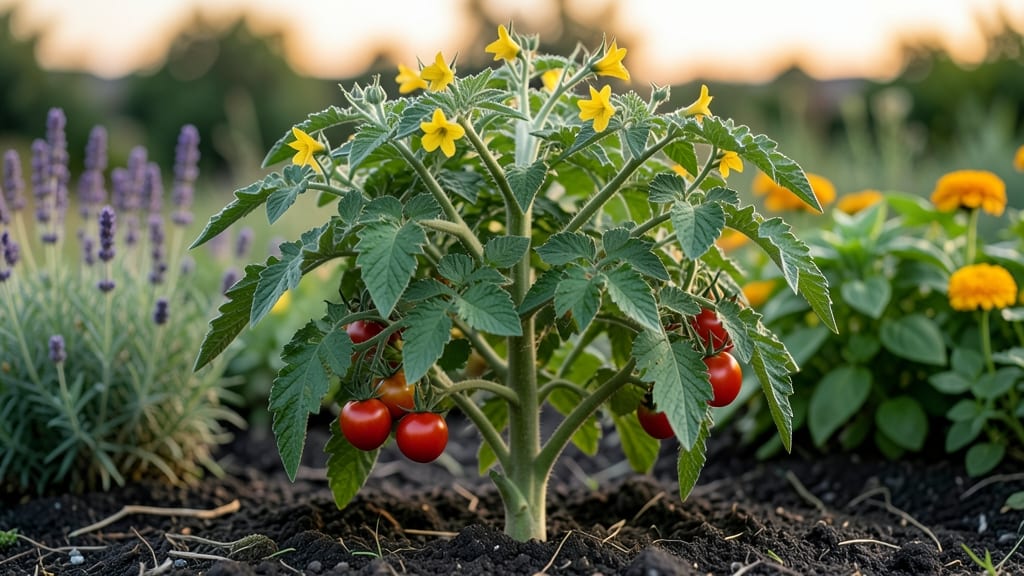
My dwarf tomato project started with a single 5-gallon pot and a stubborn little plant that refused to wilt in July’s heat. 🌿 These compact powerhouses prove you don’t need a backyard to grow tomatoes—just the right varieties, containers, and a few smart tricks to keep them producing all season.
I’ve tested 10+ heat-tolerant varieties, and the winners—like ‘Tiny Tim’ and ‘Micro Tom’—deliver pounds of fruit from pots smaller than a microwave. The secret? Well-draining soil, consistent watering, and a pruning routine that keeps energy focused on fruit, not foliage.
Even my neighbor’s skeptical “they’ll never survive” comment turned to envy by August.
You’ll end up with sun-ripened tomatoes that taste sweeter than store-bought, all while saving space and skipping the backbreaking bending. The plants stay compact, the harvests keep coming, and you avoid the pests and diseases that plague larger varieties.
Plus, move them to shade when temps hit 95°F—they’ll bounce back faster than anything in the ground.
Perfect for balconies, patios, or even sunny windowsills. Here’s how to pick the right varieties, set up your containers, and keep them producing until frost—no greenhouse or gardening degree required.
📚 In This Guide
- What you need
- Instructions
- Tips and common mistakes
- Wrapping up and next steps
What you need
- ● Dwarf tomato seeds or seedlings: Heat-tolerant varieties like Tiny Tim, Patio Princess, or Micro Tom (3–5 plants).
- ● Containers: 5–10 gallon pots (with drainage holes) or fabric grow bags (1 plant per container).
- ● High-quality potting mix: Lightweight, well-draining blend (avoid garden soil). Pro tip: Mix in perlite or vermiculite for extra aeration! 💡
- ● Balanced fertilizer: 10-10-10 or organic options (follow label for application rates).
- ● Tomato cages or stakes: 3–4 ft tall (dwarf varieties need minimal support).
- ● Watering can or hose with nozzle: For gentle, deep watering (aim for 1–2 inches per week).
- ○ Mulch (optional but recommended): Straw or shredded leaves to retain moisture and regulate soil temp.
- ● Pruning shears: For trimming suckers and shaping plants.
- ● Gloves: To protect hands from thorns and soil.
- ● Sunny location: At least 6–8 hours of direct sunlight daily (partial shade in peak afternoon heat).
- ○ pH test kit (optional): Ensure soil pH is between 6.0–6.8 for optimal growth.
- ○ Shade cloth (optional): 30–50% coverage for extreme heat protection.
Instructions for growing heat-proof dwarf tomatoes in containers
Here's the foolproof method I use to grow compact, high-yielding tomatoes that handle summer heat without wilting.
🪴 Step 1: Select the Right Containers and Heat-Tolerant Varieties
For four plants, choose 5-gallon fabric grow bags—they breathe better than plastic and prevent root rot in summer heat. I always pick heat-proof varieties like 'Tiny Tim', 'Micro Tom', or 'Patio Princess' because they thrive in 80-90°F without bolting. These compact plants stay under 2 feet tall and produce fruit all season long.
Place containers in a location with full sun exposure (at least 6-8 hours daily) but with afternoon shade if your summers regularly exceed 90°F. The afternoon sun is the most intense, and dwarf varieties can still suffer from heat stress if exposed too long. You'll know you've got the right spot when your plants stay bright green and upright even during the hottest part of the day.
🌱 Step 2: Prepare the Soil and Plant Seedlings at the Right Time
Fill each container with high-quality potting mix mixed with 1 cup perlite per bag to improve drainage. I always add 1 tablespoon of slow-release fertilizer at planting time to give the roots a nutrient boost right away. The mix should be light and fluffy—press it down gently but don't compact it, or the roots will struggle to spread.
Plant your seedlings when nighttime temperatures stay above 55°F—this is critical for dwarf tomatoes, which bolt (flower prematurely) if exposed to cold. You'll know it's time to plant when your local forecast shows consistent warm nights and no more frost warnings. Transplant carefully, making sure the soil line on the seedling is level with the container's rim—burying it too deep can cause rot.
☀️ Step 3: Water Deeply and Strategically to Beat the Heat
Water your dwarf tomatoes deeply once a week rather than daily shallow waterings. The key is to soak the entire root zone until water runs out the drainage holes—this encourages deep root growth, which helps them handle heat better. I water in the early morning to give the plants time to dry out before evening, reducing the risk of fungal diseases like blight.
Watch for wilting leaves in the afternoon—this is normal in heat, but if the plants stay droopy overnight, they're underwatered. Mulch the soil surface with 2 inches of straw to retain moisture and keep roots cool. You'll see the difference within a few days: plants with mulch stay perkier and greener even on the hottest days.
✂️ Step 4: Prune and Support for Maximum Heat Resilience
Prune your dwarf tomatoes by removing suckers (the small shoots that grow in the joint between the stem and branches) to direct energy into fruit production. I leave 2-3 main stems per plant to keep them compact—this prevents overcrowding, which traps heat and attracts pests. Use soft ties to secure plants to small stakes or cages, as wind and heat can knock them over.
Pinch off the first few flower clusters if your plants look stressed—they'll produce more fruit later in the season. You'll know your pruning is working when the remaining flowers are larger and healthier, and the plant focuses energy on ripening fruit rather than just growing leaves. Harvest tomatoes as soon as they're fully colored to encourage more production.
🌿 Step 5: Protect and Maintain Through Summer's Peak
When temperatures hit 95°F or higher, provide afternoon shade with a lightweight shade cloth (30-50% shade). This prevents sunburn on leaves and keeps fruit from splitting. I also mist the leaves in the early morning to help cool the plant—just avoid wetting the foliage at night to prevent disease.
Fertilize every 4-6 weeks with a balanced liquid fertilizer (10-10-10) to replenish nutrients lost in the heat. Stop fertilizing 4-6 weeks before the first frost to let the plant focus on ripening existing fruit. By following these steps, your dwarf tomatoes will stay productive, healthy, and heat-proof all summer long.
Tips & tricks for heat-proof dwarf tomatoes in containers
These game-changing strategies will help you grow tomatoes that stay productive even when temperatures soar.
Variety Selection: When choosing heat-proof varieties like 'Tiny Tim' or 'Micro Tom', look for seed packets labeled as "determinate" - these stay compact and produce fruit continuously. Avoid indeterminate varieties that grow tall and struggle in heat. The key is selecting types specifically bred to handle 80-90°F temperatures without bolting, which is exactly what these dwarf varieties excel at.
Container Placement Strategy: For maximum heat resilience, position your 5-gallon fabric grow bags where they receive morning sun but have afternoon shade when temperatures exceed 90°F. I've found that placing containers on reflective surfaces like concrete or light-colored bricks can actually help reduce root stress during extreme heat. The afternoon shade is particularly crucial - it's when the sun's intensity peaks and can cause leaf scorch even in dwarf varieties.
Soil Preparation Pro Tip: When mixing your potting soil with 1 cup perlite per bag, add a handful of worm castings to the mix. This boosts microbial activity which helps roots absorb water more efficiently during heat waves. The castings also provide a slow-release nutrient boost that complements the 1 tablespoon of slow-release fertilizer you're already adding. This combination creates an ideal root environment that can handle the weekly deep watering routine without becoming waterlogged.
Heat Stress Prevention: When temperatures hit 95°F or higher, I recommend setting up a simple misting system using a spray bottle filled with water and a fan. Place the containers near the fan and mist the leaves in the early morning - this creates a microclimate that can lower leaf temperatures by up to 10°F. Just remember to stop misting by midday to prevent fungal growth. This technique has saved my plants during multiple heatwaves when afternoon shade alone wasn't enough.
Pro Tips for Dwarf Tomato Project
- These game-changing strategies will help you grow tomatoes that stay productive even when temperatures soar.
- Variety Selection: When choosing heat-proof varieties like 'Tiny Tim' or 'Micro Tom', look for seed packets labeled as "determinate" - these stay compact and produce fruit continuously.
- Container Placement Strategy: For maximum heat resilience, position your 5-gallon fabric grow bags where they receive morning sun but have afternoon shade when temperatures exceed 90°F.
Frequently asked questions
Got questions about growing heat-proof dwarf tomatoes in containers?
Here are answers to the most common ones—so you can dive in with confidence!
What are the best heat-tolerant dwarf tomato varieties for containers?
Top picks include Solar Fire, Heatmaster, and Patio Princess. These compact varieties (2–3 ft tall) handle temps up to 95°F (35°C) and produce sweet, prolific fruit. Look for "determinate" labels—they’re ideal for containers and ripen all at once!
How often should I water dwarf tomatoes in hot weather?
Check soil moisture daily—containers dry out fast! Water deeply in the morning (1–2 gallons per plant) and mulch with straw to retain moisture. Avoid wetting leaves to prevent disease. Pro tip: Use a moisture meter or stick your finger 1–2 inches into the soil—if it’s dry, it’s time to water!
When is the best time to plant dwarf tomatoes for a summer harvest?
Start seeds indoors 6–8 weeks before your last frost, then transplant seedlings after nighttime temps stay above 50°F (10°C). For heat-proof varieties, wait until soil is warm (70°F/21°C+)—usually late spring or early summer. Bonus: Succession plant every 2 weeks for continuous harvests!
Can I reuse containers or soil from last year’s tomato plants?
Not without prep! Sterilize containers with a 10% bleach solution or bake at 200°F (93°C) for 30 minutes. Replace old soil with fresh, well-draining mix (add perlite or compost). Warning: Never reuse soil with tomato diseases—it’s a fast track to failure!
What should I do if my dwarf tomatoes stop flowering in extreme heat?
Heat stress (above 85°F/29°C) can halt flowering. Provide afternoon shade with a row cover or shade cloth. Boost humidity with a nearby tray of water, and fertilize lightly with phosphorus (like bone meal) to encourage blooms. Quick fix: Mist leaves early in the day to cool them down!
Are dwarf tomatoes as productive as full-size varieties?
Yes! While they’re smaller, heat-proof dwarfs like Tiny Tim produce 100+ cherry tomatoes per plant in containers. Space them 18–24 inches apart for optimal airflow and yield. Fun fact: Their compact size makes them perfect for balconies or small gardens—no space wasted!
Wrapping up and next steps
Embarking on your dwarf tomato project is a rewarding way to enjoy fresh, homegrown produce—even in hot climates or small spaces! 🌱 With the right heat-proof varieties and container setup, you’re well on your way to a bountiful harvest.
Whether you’re a beginner or a seasoned gardener, this project proves that growing tomatoes can be deliciously simple.
Ready to take the next step? Start by selecting your favorite dwarf variety, grab your containers, and get planting! Soon, you’ll be savoring sun-ripened tomatoes straight from your balcony or patio. Happy growing! 🍅✨