
Companion Plants
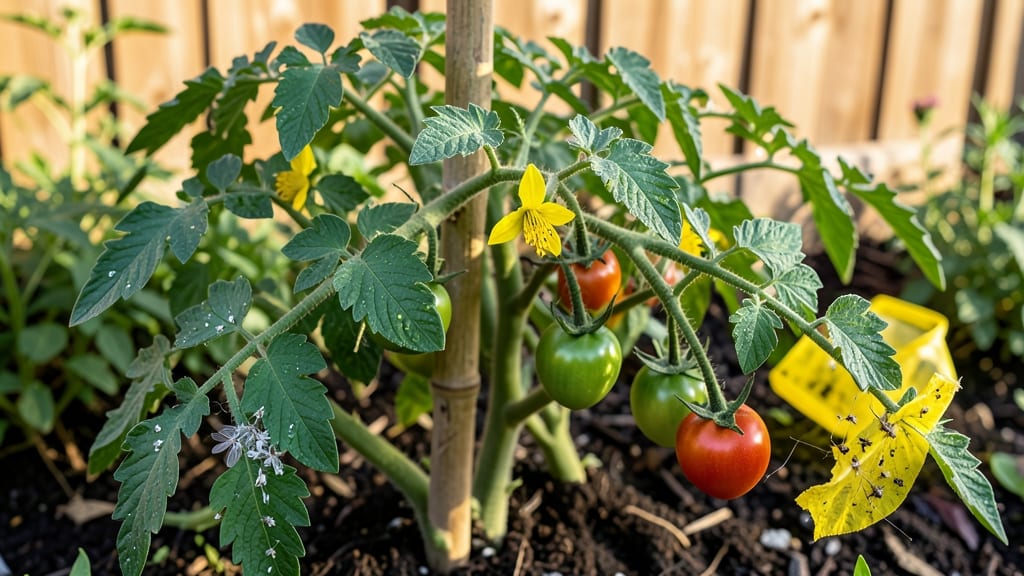
Flies on tomato plants mean the end of your harvest if you don’t act fast. 🌿 I’ve lost entire batches to fruit flies, whiteflies, and hornworms—until I discovered these natural traps that work better than sprays. The key is catching them early, before they turn your plants into a buffet.
Most gardeners panic and reach for chemicals, but the real solution is simple: companion plants like basil and marigolds, homemade traps with apple cider vinegar, and neem oil for stubborn infestations. My tomatoes now stay fly-free, and the fruit stays blemish-free—no more tiny maggots in the cores.
You’ll learn to spot the difference between harmless hoverflies and destructive pests, plus how to set up traps that actually work. The best part? These methods protect pollinators while keeping your plants safe. Perfect for organic gardeners, small-space growers, or anyone tired of losing tomatoes to tiny invaders.
Let’s get your plants back on track!
Root Causes of Fly Infestations
Flies buzzing around your tomato plants aren’t just a nuisance—they’re a sign your garden is calling out for help. Understanding why these pests show up is the first step to kicking them to the curb.
Below, we break down the top scientific triggers behind fly outbreaks on your tomato plants, so you can address the real issues and protect your harvest.
🐝 The sweet (or rotten) smell of tomatoes is a dinner bell for flies.
Flies like fruit flies (Drosophila), house flies (Musca domestica), and cluster flies (Pollenia rudis) are drawn to tomatoes that are overripe, bruised, or fermenting.
Here’s why: - Sugars and acids in ripe fruit release volatile organic compounds (VOCs) that flies detect from miles away—like a neon "EAT ME" sign. - Yeast and bacteria from decaying fruit produce ethanol and acetic acid, mimicking the smells of rotting meat or fermenting fruit, which flies associate with high-protein, easy meals. - Physical damage (e.g., cracks, punctures, or bird pecks) creates entry points for flies to lay eggs inside the tomato, where larvae will feast undisturbed.
Actionable fix:
- Harvest tomatoes promptly—pick them as soon as they’re ripe (or slightly underripe) to avoid overripening.
- Inspect plants weekly for bruised or cracked fruit and remove it immediately.
- Use row covers early in the season to block flies before they spot your tomatoes.
💦 Flies need water to survive—and your garden might be their spa.
Many fly species, including fungus gnats (Bradysia spp.) and root maggots (Delia spp.), thrive in excessively moist soil. Here’s the science: - Larvae require water to develop, so damp soil becomes a nursery.
Fungus gnat larvae, for example, feed on fungal hyphae in wet, organic-rich soil. - Overwatering (or poor drainage) keeps soil consistently soggy, extending the larval stage and increasing fly populations. - Thick mulch layers trap moisture against the soil, creating a fly-friendly microclimate.
Actionable fix:
- Improve drainage by amending soil with compost, perlite, or coarse sand to create air pockets.
- Water deeply but less frequently—aim for 1–1.5 inches per week (including rain) and water at the base of plants (not overhead).
- Reduce mulch thickness near the stem (keep it to 1–2 inches) and use straw or pine needles (which dry out faster than wood chips).
🗑️ Your "free fertilizer" might be a fly magnet.
Compost piles, grass clippings, and leaf litter are fly hotspots because they provide:
- Nutrient-rich food for adult flies (e.g., decomposing plant matter).
- Shelter and humidity for egg-laying (ideal for house flies and cluster flies).
- Microorganisms that attract fungus gnats and shore flies (Ephydra spp.), which lay eggs in moist organic material.
Actionable fix:
- Turn compost frequently to speed up decomposition and reduce fly populations.
- Keep compost piles small (under 3 ft x 3 ft) and cover them with a breathable tarp to deter flies.
- Remove weeds and debris from around tomato plants—especially broccoli, cabbage, or onion residues, which attract similar pests.
- Use a "two-bin system" for composting: one for active decomposition, one for cured compost (flies avoid finished compost).
🌿 Not all garden buddies play nice.
While some plants (like basil, marigolds, or nasturtiums) repel flies, others can unintentionally attract them by:
- Producing strong odors (e.g., aromatic herbs like dill or cilantro) that mask tomato scents but also lure flies.
- Hosting beneficial insects that flies prey on (e.g., aphids on cosmos can draw predatory flies).
- Creating dense foliage that traps moisture and debris (e.g., hostas or ferns near tomatoes).
Actionable fix:
- Space companion plants strategically—place repellent herbs (basil, thyme, mint) between tomato rows, not directly next to them.
- Avoid planting tomatoes near:
- Corn (attracts house flies).
- Cucumbers or squash (shared pests like cucumber beetles).
- Grass or clover (harbors fungus gnat larvae).
- Opt for fly-repelling companions like garlic, chives, or lemongrass, which emit strong scents flies dislike.
Pro Tip: 💡 Flies are opportunists—they’ll exploit any weakness in your garden’s ecosystem. By tackling moisture, debris, and overripe fruit, you’re not just fighting flies; you’re building a resilient tomato haven they’ll avoid.
Natural Ways to Outsmart Garden Pests
Flies on your tomato plants aren’t just a nuisance—they can devastate your harvest if left unchecked. But before reaching for harsh chemicals, try these effective, eco-friendly solutions tailored to the most common culprits: fruit flies, whiteflies, and fungus gnats.
Each pest requires a slightly different approach, but the goal is the same: protect your plants without harming the environment or your tomatoes.
Fruit flies are drawn to overripe or damaged tomatoes, laying eggs that hatch into maggots feeding on your fruit. Here’s how to banish them for good:
🔥 Trap Them First (Before They Breed)
- Apple Cider Vinegar Trap 🍎✨ Fill a small jar with apple cider vinegar + a drop of dish soap. Cover with plastic wrap, poke holes, and place near plants. Flies enter but can’t escape—dispose of traps weekly.
- Red Wine Trap 🍷💡 Leave an open bottle of red wine near plants. Flies are attracted but drown—refresh every 3-4 days.
👨🍳 Prevent Future Infestations
- Remove Overripe Tomatoes 🍅🚫 Pick and compost ripe or rotting fruit immediately—flies detect them from miles away!
- Use Row Covers 🛡️🌱 Lightweight floating row covers block flies while allowing pollination (remove when flowers appear).
- Beneficial Nematodes 🐛💥 Apply heterorhabditis bacteriophora nematodes to soil—they kill fly larvae naturally. Reapply every 4-6 weeks.
Whiteflies cluster on undersides of leaves, weakening plants and spreading viruses. Smother them with these tricks:
🍳 Yellow Sticky Traps 🟡🕸️
- Hang yellow sticky cards near plants—whiteflies are drawn to the color and get trapped. Replace every 1-2 weeks.
🔪 Blast Them Off with Water 💦🌪️
- Spray leaves daily with a strong jet of water (early morning works best). This dislodges adults and eggs.
🌿 Companion Plants & Sprays
- Plant Basil or Marigolds 🌼🌿 – Their scents repel whiteflies.
- Neem Oil Spray 🌿💧 – Mix 1 tsp neem oil + 1 tsp soap in 1 quart water, spray undersides of leaves every 5-7 days.
Fungus gnats thrive in moist soil, laying eggs that hatch into larvae feeding on roots. Dry out their habitat with these fixes:
⏰ Adjust Watering Habits 💧🚫
- Let the top inch of soil dry between waterings—fungus gnats hate dry conditions.
- Water at the base (not overhead) to avoid creating a damp breeding ground.
🔥 Yellow Sticky Traps (Again!) 🟡🕷️
- Place traps just above soil level—adults get stuck before laying eggs.
🌱 DIY Sand or Perlite Barrier 🏖️💎
- Sprinkle a thin layer of sand or perlite on soil surface—larvae can’t penetrate, and it dries faster.
- Clean Up Debris 🧹🍂 – Remove fallen leaves, weeds, and plant trash where flies hide.
- Rotate Crops 🌱↪️ – Avoid planting tomatoes in the same spot yearly to break pest cycles.
- Encourage Predators 🐞🕷️ – Ladybugs, lacewings, and parasitic wasps eat fly larvae—plant dill, fennel, or alyssum to attract them.
- Use Coffee Grounds ☕🌱 – Sprinkle used coffee grounds around plants—they repel flies and add nitrogen to soil.
By combining traps, prevention, and natural predators, you’ll keep your tomato plants fly-free without chemicals. Healthy plants = happy harvests! 🍅🌟
Frequently asked questions
What’s the difference between fruit flies and whiteflies on my tomato plants?
Fruit flies are tiny (1/8 inch) and buzz around rotting tomatoes, while whiteflies are smaller (1/16 inch) and cluster on leaf undersides, leaving a sticky residue. Fruit flies lay eggs in fruit, while whiteflies suck plant sap and spread viruses. Check for tiny white eggs on fruit (fruit flies) or powdery residue on leaves (whiteflies).
Will yellow sticky traps work for all types of flies on tomatoes?
Yes, but with a twist! Yellow traps catch whiteflies, fungus gnats, and aphids, but fruit flies prefer vinegar or wine traps. For best results, use both yellow traps near leaves and vinegar traps near soil. Replace traps every 1-2 weeks—they lose stickiness over time.
How soon will I see results from neem oil sprays?
Neem oil works fastest on adult flies—you’ll see fewer pests within 24-48 hours. For larvae (like fungus gnat eggs), it takes 5-7 days to break their life cycle. Spray early morning or evening when flies are least active, and reapply every 5-7 days during outbreaks.
Can I use the same traps for multiple tomato plants?
One apple cider vinegar trap can protect 3-5 tomato plants in a small garden. For larger areas, place traps every 10-15 feet. Just remember to refresh bait weekly—stale vinegar loses its lure. Rotate trap locations monthly to prevent flies from learning avoidance patterns.
What if my tomatoes already have maggots inside?
Don’t panic! Remove the infested tomatoes immediately and compost them far from your garden (not in your compost pile). For future prevention, prune tomato suckers regularly to improve airflow and use row covers during flowering. The maggots won’t survive in healthy, dry conditions.