
Planting
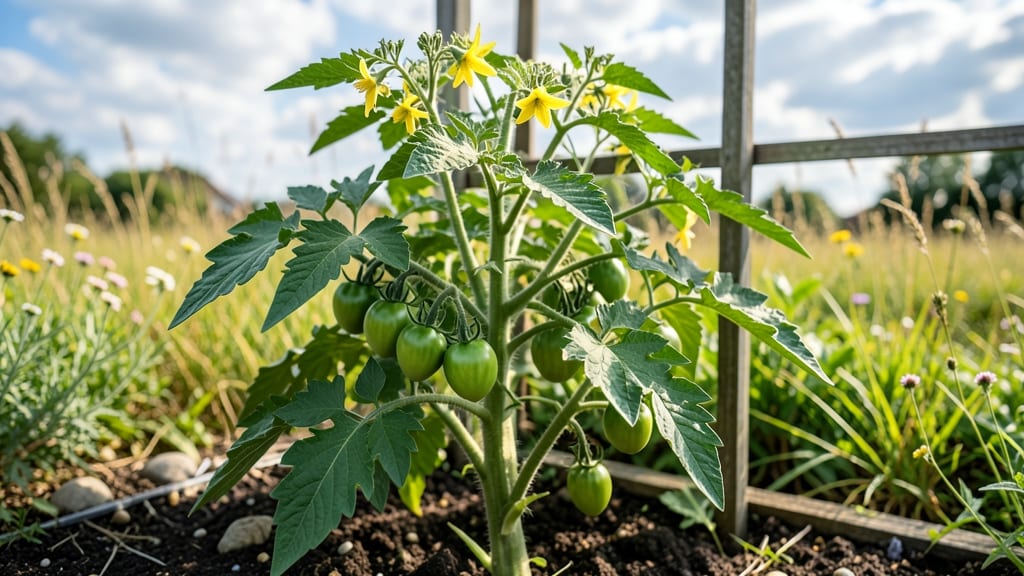
Growing the German green tomato plant means harvesting crisp, green fruit straight from the vine—even when your neighbors are still waiting for red tomatoes to ripen. 🌱 These cold-hardy varieties thrive in cooler climates and ripen just before frost, giving you a unique harvest window that most tomato plants can't match.
The secret lies in their ability to set fruit early and mature quickly, often producing bushels of 2-3 inch green tomatoes that stay firm and flavorful long after other varieties would have rotted on the vine.
You'll need well-draining soil with plenty of organic matter—think compost mixed into the top 12 inches—and a sunny spot that gets at least 6-8 hours of sunlight daily. German greens aren't fussy about soil pH but do best in slightly acidic conditions (6.0-6.8).
Plant seeds indoors 6-8 weeks before your last frost, or set out transplants after all danger of frost has passed. The key to success is consistent moisture; these tomatoes need about 1-1.5 inches of water per week, but never let them sit in soggy soil.
What sets German greens apart is their ability to produce a heavy crop even in short seasons. With proper care, you can expect 10-15 pounds of fruit per plant, and the plants themselves are compact—typically growing 3-4 feet tall with indeterminate vines that benefit from staking or a cage.
Prune suckers regularly to focus energy on fruit production, and fertilize lightly with a balanced organic fertilizer every 3-4 weeks. The result? A garden full of vibrant green tomatoes that stay crisp and delicious long after other varieties would have turned mushy.
Here's the best part—these tomatoes are incredibly versatile. Use them fresh in salads, pickle them for a tangy crunch, or let them ripen naturally on the vine if you're lucky enough to have a late frost.
German greens are also disease-resistant, making them a low-maintenance choice for gardeners who want reliable harvests without the fuss. Whether you're in a short-season climate or just love the unique flavor of green tomatoes, this variety delivers results that will have your neighbors asking for cuttings.
📚 In This Guide
- What you need
- Instructions
- Tips and common mistakes
- Wrapping up and next steps
What you need
- ● Seeds or seedlings: Choose cold-hardy varieties like ‘Siletz’ or ‘Stupice’ (2–4 plants for a small harvest).
- ● Well-draining potting mix: 10–15 lbs (for containers) or enrich garden soil with compost (1–2 lbs per sq. ft.).
- ○ Containers (optional but helpful): 5–7 gallon pots (if growing in pots) with drainage holes.
- ● Fertilizer: Balanced organic fertilizer (10-10-10) or compost tea (1 tbsp per plant every 4–6 weeks).
- ● Mulch: Straw or shredded leaves (2–3 inches) to protect roots from frost.
- ● Garden trowel or transplanting spade (for planting seedlings).
- ● Watering can or hose with a gentle spray nozzle (tomatoes need consistent moisture!).
- ● Plant supports: Cages or stakes (3–4 ft tall) to keep plants upright.
- ● Row covers or frost cloth (for early/late-season protection—1–2 per plant).
- ● Pruning shears (to remove suckers and encourage fruit production).
- ● Growth regulator (like Bonzi) to prevent overgrowth in short seasons.
- ● Soil thermometer (to monitor root-zone temps—ideal: 60–70°F).
- ● Drip irrigation system (for automated watering in dry spells).
- ● Greenhouse or cold frame (to extend the growing season).
Step-by-Step guide to growing German green tomatoes
Here's how to cultivate these cold-resistant varieties for a reliable harvest before frost.
🌱 Step 1: Select the Right Variety and Planting Time
German Green tomatoes thrive in cooler climates, so choose varieties like 'Stupice' or 'Green Zebra'—both ripen fully before frost. Plant seeds indoors 6-8 weeks before your last frost date, or start transplants outdoors 2-3 weeks after soil reaches 50°F. These tomatoes need a longer growing season than traditional red varieties, so timing matters.
Use biodegradable pots for seedlings to avoid root disturbance when transplanting. I like to mark my calendar with the last frost date and count backward—this prevents rushing the process. German Greens perform best when given plenty of time to mature.
☀️ Step 2: Choose a Sunny, Protected Location
Plant in full sun (at least 6-8 hours daily) with shelter from strong winds. German Greens tolerate cooler temperatures better than most tomatoes, but they still need warmth to set fruit. A south-facing spot with afternoon shade in hot climates works best.
Amend the soil with 2-3 inches of compost before planting to improve drainage and fertility. These tomatoes grow well in containers if your zone has short summers—just use a 5-gallon pot per plant. Watch for leggy growth if light is insufficient; this signals the plant is stretching for more sun.
💧 Step 3: Water Deeply and Consistently
Water at the base of the plant 1-2 inches per week, keeping soil evenly moist but never soggy. German Greens are drought-tolerant once established, but inconsistent moisture causes blossom-end rot. I water in the morning so foliage dries quickly, reducing disease risk.
Mulch with 2-3 inches of straw to retain moisture and regulate soil temperature. Avoid wetting leaves when watering—this prevents fungal issues like early blight. You’ll know moisture is right when the top 1-2 inches of soil feel damp but not wet to the touch.
✂️ Step 4: Prune and Support for Maximum Yield
Prune suckers (the small shoots in the leaf axils) to direct energy to fruit production. German Greens benefit from staking or caging—their indeterminate growth can get heavy. I use 5-foot bamboo stakes tied with soft plant clips to avoid damaging stems.
Remove lower leaves that touch the soil to improve airflow and reduce disease. Pinch off the first few blossom clusters if the plant looks stressed—this ensures stronger root and stem development before heavy fruiting. You’ll see better fruit set if you balance pruning with consistent care.
🍅 Step 5: Harvest Before Frost for Peak Flavor
Harvest when tomatoes reach full size but remain green—they’ll ripen indoors if needed. German Greens stay firm and flavorful even when unripe, making them perfect for cold climates. Use pruning shears to avoid bruising the fruit.
Store harvested tomatoes in a cool, dark place (around 55-60°F) for 1-2 weeks to ripen fully. You’ll notice the green color deepen slightly before turning yellow or red, depending on the variety. Enjoy them fresh, in salsas, or fermented as green tomatoes—German Greens excel in all uses.
Tips & tricks for perfect German green tomato cultivation
Here's what I've learned after growing these frost-resistant beauties for years—tricks that'll help you beat the odds in cooler climates.
Timing is Everything: The 6-8 week indoor start time is non-negotiable for northern growers. I mark my calendar with the last frost date and count backward from there—this prevents that panicked rush when spring arrives. For extra insurance, I plant a few seeds an extra week early in case of germination failures. The key is giving seedlings enough time to develop strong roots before transplanting outdoors.
Soil Prep Secret: That 2-3 inches of compost isn't just about nutrients—it's about creating the perfect moisture balance. I mix in a handful of perlite to prevent compaction, especially in heavy clay soils. For container growers, use a blend of 60% potting mix and 40% compost to mimic garden conditions. The goal is soil that drains quickly but holds enough moisture for those 1-2 inches per week we're aiming for.
Pruning Strategy: When removing suckers in Step 4, I use a sharp pair of scissors to cut just above the leaf axil rather than tearing them off. This prevents damage that could invite disease. For stressed plants, I only remove suckers from the lower third of the plant initially, letting the main stem focus on establishing itself before heavy fruiting begins. You'll see better fruit set when you let the plant build strength first.
Harvesting Hack: The 55-60°F storage temperature is crucial for ripening indoors. I place harvested tomatoes in a single layer on a wire rack inside a cardboard box with ventilation holes. This prevents rot from condensation buildup while maintaining that perfect cool temperature. You'll notice the color deepen within 3-5 days—just don't be tempted to harvest too early, even if frost is coming.
Pro Tips for German Green Tomato Plant
- Here's what I've learned after growing these frost-resistant beauties for years—tricks that'll help you beat the odds in cooler climates.
- Timing is Everything: The 6-8 week indoor start time is non-negotiable for northern growers.
- Soil Prep Secret: That 2-3 inches of compost isn't just about nutrients—it's about creating the perfect moisture balance.
Frequently asked questions
Got questions about growing German green tomato plants? You’re not alone! These cold-hardy varieties are a gardener’s dream, but they come with unique considerations. Here are answers to the most common questions to help you grow like a pro.
Can German green tomatoes ripen on the vine before frost?
Most German green tomato varieties (like 'German Wonder' or 'Iron Man') are bred to ripen before frost, but timing depends on your climate. In cooler regions, they’ll stay green until picked, while warmer areas may turn pink or red. Harvest just before the first frost for best flavor—they’re delicious green!
How cold can German green tomato plants tolerate?
These plants are cold-hardy but not frost-proof. Seedlings can handle light freezes (down to 28°F/-2°C), while mature plants survive brief dips to 25°F/-4°C. Use row covers or mulch to extend the season. If frost hits, harvest quickly—they’ll keep ripening indoors!
What’s the best way to ripen German green tomatoes after picking?
Store them in a cool, dark place (like a pantry) for 1–2 weeks. For faster ripening, place them in a paper bag with a banana or apple (ethylene gas speeds it up!). Avoid refrigeration—it turns tomatoes mealy. Pro tip: A sunny windowsill can help them blush pink!
Are German green tomatoes good for canning or cooking?
Their meaty texture and tangy flavor make them perfect for fried green tomatoes, salsa, or sauces. They can also be canned like regular tomatoes—just follow USDA guidelines for acidification. Bonus: Their thick skins hold up well during cooking.
Why are my German green tomatoes cracking?
Cracking usually happens from uneven watering or rapid growth. Keep soil consistently moist (not soggy) and mulch to retain moisture. If cracks appear, harvest early—they’re still safe to eat! For next season, water deeply in the morning to reduce stress.
Can I grow German green tomatoes in containers?
Yes! They thrive in 5-gallon containers or larger with good drainage. Use a lightweight potting mix and fertilize regularly. Just ensure they get 6–8 hours of sun daily. Dwarf varieties like 'Tumbling Tom' are ideal for pots—perfect for balconies or small spaces!
What’s the difference between German green and regular green tomatoes?
German greens are bushier, more cold-resistant, and bred for early harvests, while regular green tomatoes (like 'Stupice') may need warmer climates. German varieties also tend to have thicker walls, making them firmer for slicing or cooking. Flavor? Both are delicious—it’s a matter of growing conditions!
Wrapping up and next steps
Growing German green tomato plants is a fantastic way to enjoy fresh, homegrown produce—even in cooler climates! These cold-hardy varieties thrive with the right care, from selecting frost-resistant seeds to mastering pruning and harvesting techniques.
Whether you're a seasoned gardener or just starting, their resilience and delicious flavor make them a rewarding addition to any garden.
Now that you’re armed with tips and answers to common questions, roll up your sleeves and get planting! Start small with a few plants, experiment with varieties, and watch your harvest grow. Happy gardening—your future green tomatoes are waiting! 🌱🍅