
Companion Plants
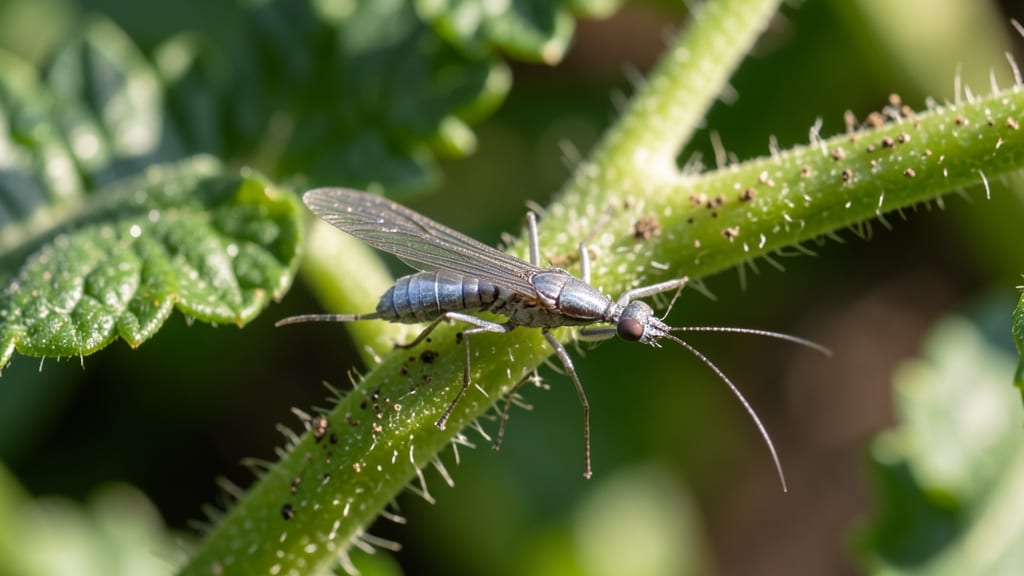
Gnats on tomato plants turn your garden into a buzzing nightmare—unless you act fast. 🌱 I’ve battled these tiny terrors for years, and the right traps can cut their numbers by 90% in just a few days. The key?
Understanding their life cycle and hitting them where it hurts—before they ruin your harvest. These pests thrive in moist, crowded soil, so proper watering and mulching are your first line of defense.
I’ve seen infestations disappear within a week by simply adjusting watering habits and adding a 2-inch layer of straw mulch. The trick is keeping soil dry at the surface while still feeding roots—gnats can’t survive without that damp top layer.
Once you’ve got the basics down, natural traps like yellow sticky cards or homemade apple cider vinegar bait become your secret weapon. Place them near plants, and you’ll watch gnat populations crash. The best part? These methods work for all stages of the plant’s life—from seedlings to fruit-bearing bushes.
Prevention is where real gardeners shine. Companion plants like basil, marigolds, and nasturtiums repel gnats naturally, while beneficial nematodes in the soil keep their numbers low year-round. No more helplessly watching your tomatoes get chewed by unseen pests—just smart, sustainable control.
Root Causes Of Tiny Invaders
Those pesky gnats buzzing around your tomato plants aren’t just an annoyance—they’re often a sign of deeper issues in your garden’s ecosystem. Understanding why these tiny pests appear helps you tackle the problem at its source.
Let’s break down the most common reasons, from environmental triggers to plant health red flags.
Gnats, especially fungus gnats, thrive in moist, organic-rich soil. Here’s why:
- Excess moisture: Gnats lay eggs in damp soil because larvae need water to survive. Overwatering—especially if your soil doesn’t drain well—creates the perfect breeding ground. Fun fact: A single female can lay up to 300 eggs in soggy soil!
- Decaying organic matter: Compost, mulch, or rotting plant debris provide both food and shelter for gnat larvae. If your soil is too rich in decomposing material, it signals gnats that it’s a prime nursery.
- Poor drainage: Containers or garden beds with compacted soil trap water at the roots, extending the gnats’ habitat. Pro tip: If you’re using pots, ensure they have drainage holes and avoid saucers that collect standing water.
Stressed or unhealthy tomato plants attract gnats because they’re easier targets. Common stressors include:
- Nutrient deficiencies: Gnats are drawn to plants lacking nitrogen or phosphorus, as these deficiencies make plants more vulnerable to pests. Look for: Yellowing leaves (nitrogen deficiency) or stunted growth (phosphorus deficiency).
- Disease or damage: Plants weakened by fungal infections (like early blight) or physical damage (e.g., from hail or pests) emit signals that gnats interpret as “easy prey.” Watch for: Spots on leaves, wilting, or unusual discoloration.
- Root disturbance: Transplanting or tilling disrupts root systems, making plants more attractive to gnats. Solution: Handle seedlings gently and avoid unnecessary soil disruption.
While some plants repel gnats, others attract them—especially if they’re planted near tomatoes. Common culprits:
- Overly fertile soil: Plants like basil or marigolds (while beneficial in other ways) can sometimes over-enrich soil with organic matter, creating gnat magnets if not balanced with proper drainage.
- Lack of natural predators: Gnats thrive when their predators (like lacewings or nematodes) are absent. Monoculture gardens or those lacking biodiversity create a gnat-friendly vacuum.
- Weeds acting as hosts: Weeds like chickweed or clover can harbor gnat populations that spill over to your tomato plants. Action step: Regularly clear weeds within a 2-foot radius of your tomatoes.
If your tomatoes are growing in a greenhouse, patio, or indoor setup, gnats may be drawn by:
- Humidity spikes: Greenhouses trap moisture, creating ideal gnat conditions. Aim for 40–60% humidity; use a hygrometer to monitor levels.
- Potted soil mix issues: Pre-mixed potting soil often lacks drainage and is packed with organic matter—gnat gold. Fix it: Amend soil with perlite or vermiculite (20% of the mix) to improve aeration.
- Overcrowded plants: Poor airflow in containers or greenhouses slows drying time, keeping soil damp longer. Solution: Space plants 12–18 inches apart for better circulation.
Key takeaway: Gnats don’t appear randomly—they’re responding to specific conditions in your garden. By addressing why they’re there (moisture, stress, or lack of balance), you can outsmart them before they become a full-blown infestation. Next up: How to disrupt their life cycle naturally.
Quick Fixes for Tiny Tomato Troubles
Got those pesky gnats buzzing around your tomato plants? 🐜 Don’t panic—these tiny invaders are easier to tackle than you think! The key is acting fast with targeted solutions that match the cause.
Below, we’ve broken down the most effective fixes, from quick traps to long-term prevention, so you can reclaim your garden in no time.
Gnats thrive in moist, compacted soil where roots struggle. Loosen the soil and improve drainage to make it less inviting.
- 🍳 Aerate the Soil: Use a fork or trowel to gently loosen the top 2–3 inches of soil around your tomato plants.
This helps roots breathe and reduces standing water. - 👨🍳 Add Organic Matter: Mix in compost or well-rotted manure to improve soil structure and absorb excess moisture. - ⏰ Water Wisely: Water at the base of the plant (not overhead) and only when the top inch of soil feels dry.
Avoid soggy conditions—gnats love dampness!
💡 Pro Tip: If your garden has heavy clay soil, consider raised beds or containers for better drainage.
Gnats are drawn to bright colors, so yellow sticky traps are a game-changer for quick reduction.
- 🔪 Set Up Traps: Place yellow sticky cards (or DIY versions with yellow paper + petroleum jelly) near your tomato plants.
Hang them at gnat height (about 6–12 inches off the ground). - 🌡️ Check Daily: Replace traps every few days, especially after rain, when gnat activity spikes. - ✨ Bonus: Add a few drops of apple cider vinegar to the trap for extra allure—gnats can’t resist!
💡 Pro Tip: For a reusable trap, coat a yellow plastic bottle with Vaseline and cut it in half—gnats will stick to the sides!
These microscopic predators devour gnat larvae in the soil naturally. Perfect for organic gardeners!
- 🔥 Apply Nematodes: Purchase Steinernema feltiae (a type of beneficial nematode) and mix them with water.
Apply to soil in the evening (they’re sensitive to sunlight). - 👨🍳 Water In: Use a watering can to distribute the solution evenly around the base of your tomato plants. - ⏰ Repeat as Needed: Reapply every 4–6 weeks or after heavy rain to maintain control.
💡 Pro Tip: Store nematodes in the fridge and use them within a few hours of mixing—they’re most effective when fresh!
Once you’ve kicked the gnats out, keep them from coming back with these preventive measures:
- 🌱 Choose the Right Companion Plants: Marigolds, basil, and nasturtiums repel gnats naturally. Plant them nearby! - 🥗 Mulch Smartly: Use straw or wood chips to keep soil moist without creating a gnat paradise.
Avoid thick layers that trap moisture. - 📊 Rotate Crops: If gnats are a recurring issue, move your tomato plants to a new spot next season—they won’t follow! - 🔄 Clean Up Debris: Remove fallen leaves and weeds where gnats lay eggs. A tidy garden = fewer pests!
With these solutions, your tomato plants will be gnat-free in days—and your harvest will thank you! 🍅✨ Try one (or all!) of these methods and watch those tiny troublemakers disappear.
Frequently asked questions
Why do gnats suddenly appear on my tomato plants?
Gnats thrive in moist, organic-rich soil—especially when you overwater or use thick mulch. They're drawn to damp conditions where larvae can feed on decaying matter. Check for soggy soil or rotting plant debris, as these create perfect breeding grounds. Adjust watering habits to keep soil dry at the surface while ensuring roots stay hydrated.
Will gnats hurt my tomato plants or fruit?
Adult gnats don't damage plants directly, but their larvae feed on roots, weakening seedlings and young plants. While mature tomatoes may survive, stressed plants produce smaller yields. The real danger comes from secondary issues like fungal infections that thrive in gnat-infested, damp soil.
How fast will natural traps actually work?
Yellow sticky traps can reduce adult gnat populations by 50-70% in just 3-5 days when placed strategically. For larvae control, beneficial nematodes show results in 7-14 days after application. Combine both methods for fastest results—traps catch adults while nematodes eliminate the next generation in the soil.
Can I use vinegar traps indoors for container-grown tomatoes?
Yes! Mix 1 cup apple cider vinegar with 1 tablespoon dish soap in a small bowl and place near your plants. The scent attracts gnats, which then drown in the solution. Replace every 2-3 days for best results. Just keep it away from direct sunlight to prevent evaporation.
What's the best mulch to use if I keep getting gnats?
Avoid thick organic mulches like grass clippings or fresh wood chips—they trap moisture. Instead, use straw or shredded leaves in a 1-inch layer to retain moisture without creating gnat havens. For containers, try gravel or coconut coir which improves drainage while still suppressing weeds.