
Companion Plants
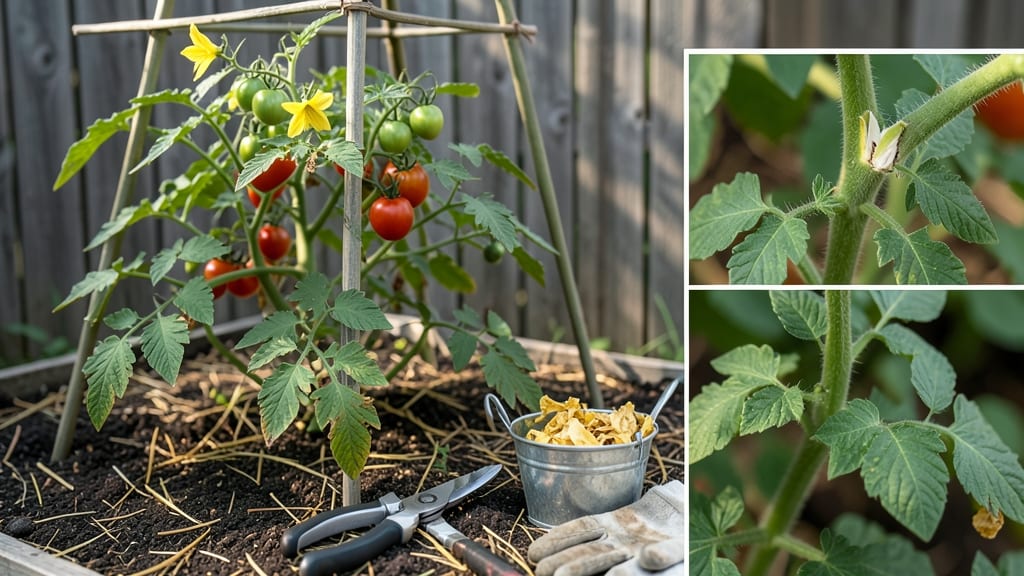
Removing lower leaves from tomato plants isn't just about tidiness—it’s the secret to bigger fruit and healthier vines. 🌱 I learned this the hard way after years of pruning too late, only to watch my tomatoes split or rot at the base.
The right timing makes all the difference, and it’s simpler than you think.
Start when your plants hit 12–18 inches tall, just before flowering begins. This is when the plant shifts energy from leaf growth to fruit production.
Remove leaves up to 6–12 inches from the soil, but leave a few lower leaves if your variety is prone to sunburn (like heirlooms). The goal? Better airflow and sunlight for the fruit.
You’ll notice faster ripening and fewer diseases like blight, because moisture stays off the stems. Plus, the plant directs its energy upward, resulting in heavier, sweeter tomatoes. Just avoid pruning in extreme heat—wait for cooler mornings to minimize stress on the plant.
This works for determinate (bush) and indeterminate (vining) tomatoes, though bush types need less aggressive pruning. Whether you’re in a hot climate or a cooler zone, the principle stays the same: timing and airflow are everything. Grab your pruners and let’s get growing!
📚 In This Guide
- What you need
- Instructions
- Tips and common mistakes
- Wrapping up and next steps
What you need
- ● Pruning shears or sharp scissors: Clean, sterilized (70% isopropyl alcohol or bleach solution) to prevent disease spread.
- ● Bypass pruners (recommended for clean cuts) or anvil pruners (for thicker stems).
- ● Gloves: Garden gloves (nitrile or leather) to protect hands from thorns and dirt.
- ○ Disinfectant (optional but helpful): 70% isopropyl alcohol or a 1:10 bleach-water mix for sanitizing tools between cuts.
- ● Compost bin or bag: For collecting pruned leaves (avoid composting diseased foliage).
- ● Gardening kneeler or stool: For comfort during pruning sessions.
- ● Spray bottle with water: To mist cuts and reduce stress on the plant.
- ● Plant support (temporary): Stakes or cages to stabilize vines post-pruning.
- ● Label markers: If you’re experimenting with different pruning techniques on multiple plants.
Instructions for pruning tomato plants: timing and technique
Here’s exactly when and how to remove lower leaves for healthier plants and bigger harvests.
🌱 Step 1: Identify the Pruning Zone
Start pruning when your tomato plants reach 12-18 inches tall—this is when they’ve developed 4-6 true leaves and the first flower clusters begin forming. Look for leaves that touch or drag along the soil. These are your targets because they block airflow, trap moisture, and create ideal conditions for soil-borne diseases like early blight.
Use your fingers to gently tug a lower leaf away from the stem. If it comes off easily without tearing, it’s ready for removal. If it resists, wait another week. The goal is to remove leaves while preserving the plant’s energy—don’t strip too aggressively too soon.
✂️ Step 2: Remove Leaves Below the First Flower Cluster
Make your first cuts 1-2 inches below the lowest flower cluster using clean, sharp pruners or your thumb and forefinger. This ensures the plant directs energy upward to fruit production instead of maintaining unnecessary foliage. Avoid tearing—always cut at a 45-degree angle just above a leaf node to encourage faster healing.
Here’s the thing—don’t remove all lower leaves at once. Space out pruning sessions every 7-10 days as new growth appears. This gradual approach prevents shocking the plant and allows it to adjust to the reduced leaf load. Watch for new suckers (side shoots) forming in the pruned areas—these should also be pinched off.
🌿 Step 3: Monitor for Disease and Adjust Pruning
After pruning, inspect the plant for signs of disease like yellowing leaves, brown spots, or white mold. If you see early blight (dark spots with concentric rings), remove all infected leaves immediately and disinfect your pruners with rubbing alcohol. Pruning during dry weather reduces risk—avoid working on wet plants or in humid conditions.
Real talk: Over-pruning can stress the plant, so balance is key. If your tomatoes are determinate varieties (bush types), prune minimally—just enough to improve airflow. Indeterminate varieties (vining types) benefit most from aggressive pruning but still need at least 18 inches of foliage above the fruit clusters to protect developing tomatoes from sun scald.
☀️ Step 4: Continue Pruning Through the Season
Keep pruning throughout the growing season, focusing on leaves that shade fruit or touch the soil. As the plant grows, aim to maintain 12-18 inches of clear stem space between the soil and the first fruit cluster. This prevents rot and improves air circulation, which translates to fewer pests and healthier fruit.
Don’t skip pruning just because the plant is flowering or fruiting. Even during peak production, remove any leaves that block sunlight from reaching the lower fruit. You’ll notice stronger stems, fewer cracked tomatoes, and a cleaner plant overall. Just be gentle—tomatoes are resilient but can get stressed if you overdo it.
Tips & tricks for pruning tomato plants like a pro
Mastering the art of tomato pruning takes practice, but these insights will help you avoid common mistakes and maximize your harvest.
Timing is Everything: The 12-18 inch height guideline in Step 1 is your golden window—this is when plants have developed enough energy reserves to handle pruning without stress. Confession: I skipped this timing for years and wondered why my plants struggled during flowering. Wait until you see those first flower clusters forming before you start cutting. This ensures the plant isn't diverting energy to foliage when it should be focusing on fruit production.
The 45-Degree Cut Matters: That precise angle in Step 2 isn't just for looks—it creates a larger surface area for faster healing and prevents water from pooling where you cut. I learned this the hard way after seeing several plants develop fungal infections at poorly cut pruning sites. Always cut just above a leaf node (where new growth emerges) to encourage new shoots to form in the right place. Use clean, sharp tools—dull pruners crush stems and create entry points for disease.
Gradual Pruning Prevents Shock: The 7-10 day spacing between sessions in Step 2 is non-negotiable for indeterminate varieties. I once tried removing all lower leaves at once and ended up with a plant that looked like it had been hit by a lawnmower—no new growth for weeks. Think of it like a haircut: you wouldn't shave your head bald in one session! This gradual approach lets the plant adjust its photosynthesis balance while still improving airflow and reducing disease risk.
Disease Prevention Starts Here: Step 3's emphasis on disease monitoring is where most gardeners trip up. After pruning, I always do a thorough inspection under the leaves—this is where early blight often hides. The key is to remove infected leaves immediately and disinfect your tools between cuts. I keep a small bottle of rubbing alcohol in my gardening toolkit specifically for this purpose. Remember, pruning during dry weather isn't just about comfort—it's about preventing spores from splashing onto fresh cuts.
Pro Tips for When To Remove Lower Leaves From Tomato Plants
- Mastering the art of tomato pruning takes practice, but these insights will help you avoid common mistakes and maximize your harvest.
- Timing is Everything: The 12-18 inch height guideline in Step 1 is your golden window—this is when plants have developed enough energy reserves to handle pruning without stress.
- The 45-Degree Cut Matters: That precise angle in Step 2 isn't just for looks—it creates a larger surface area for faster healing and prevents water from pooling where you cut.
Frequently asked questions
about pruning lower leaves on tomato plants—here’s what you need to know!Why should I remove lower leaves at all?
Removing lower leaves improves air circulation, reduces disease risk (like blight), and directs energy to fruit production. Without pruning, shaded leaves can become a breeding ground for pests and fungi, weakening your plant’s overall health.
How soon after planting should I start pruning?
Wait until your tomato plants are about 12–18 inches tall before pruning. This gives them enough strength to support themselves. For indeterminate varieties (like cherry tomatoes), start removing suckers and lower leaves when the plant reaches 3–4 feet tall.
What if I skip pruning entirely?
Your tomatoes may still grow, but you’ll likely see smaller yields and more disease pressure. Without pruning, lower leaves block airflow, trap moisture, and create ideal conditions for blight. Pruning ensures stronger vines and bigger, healthier fruit!
Can I prune too aggressively?
Yes! Remove only the lowest 6–12 inches of leaves (or up to the first flower cluster). Over-pruning can stress the plant, reduce photosynthesis, and limit fruit set. Always leave enough foliage to support the plant’s energy needs.
What if it’s raining or humid when I prune?
Prune on a dry, sunny day to minimize disease risk. Wet conditions can spread spores from infected leaves to healthy parts of the plant. If you must prune after rain, sterilize your pruners with rubbing alcohol first.
Wrapping up and next steps
Removing lower leaves from tomato plants isn’t just a chore—it’s a game-changer for healthier vines and juicier harvests! 🌱 By pruning strategically, you’re redirecting energy to fruit production, reducing disease risks, and boosting airflow.
Remember: timing, technique, and consistency are key—so grab those shears and give your tomatoes the TLC they deserve.
Ready to put your new skills into action? Start with just one plant this season, observe the results, and let your confidence (and yield!) grow. Happy gardening—your future tomato feasts are waiting! 🍅✨