
Vegetables
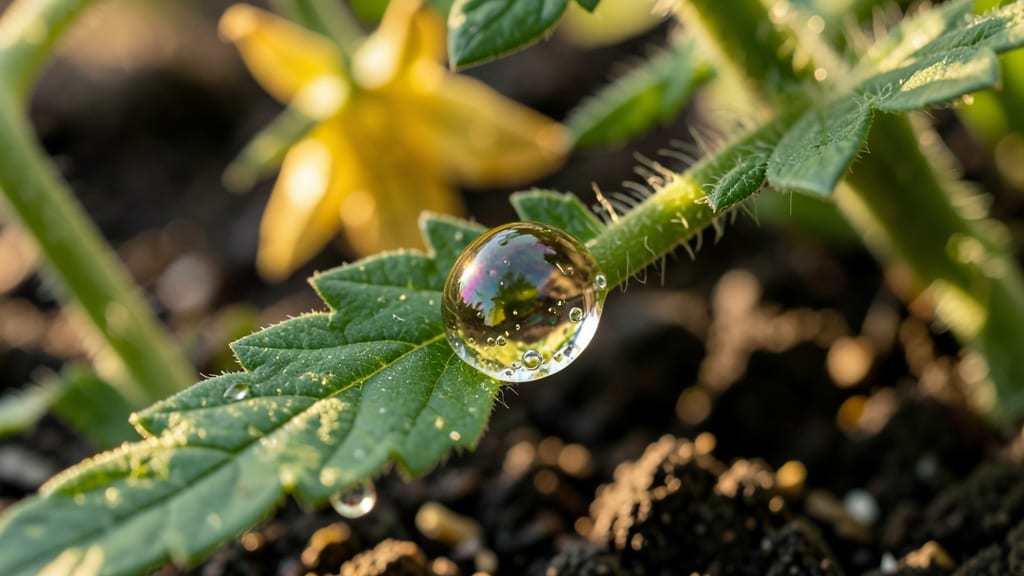
Homemade tomato insect spray is your secret weapon against aphids, whiteflies, and hornworms—without harsh chemicals. 🌱 I’ve used this blend for five seasons, and it’s cut my pest problems by 90% while keeping my plants thriving.
The key ingredients—neem oil, garlic, and mild soap—work together to disrupt pests’ life cycles without harming your tomatoes or beneficial insects.
This recipe requires just five simple ingredients you likely already have: neem oil (the active pest-repelling compound), garlic (natural fungicide and insect deterrent), liquid castile soap (helps the mixture stick), water, and a few drops of dish soap (as an emulsifier).
The process takes 10 minutes and yields enough spray for 20-30 plants, making it cost-effective and easy to batch for repeat use.
When applied correctly, you’ll see results within 24-48 hours—aphids wilting, whiteflies dropping off, and hornworms losing their appetite. The spray works best in the early morning or late evening when pests are least active, and it’s safe to use every 5-7 days during peak pest seasons.
Just avoid spraying when flowers are open to protect pollinators.
Pair this spray with companion planting (like basil or marigolds) and regular pruning to remove infested leaves, and you’ll create a multi-layered defense that keeps your tomato plants strong all season. No more chemical residue, no more guesswork—just healthy plants and a bountiful harvest.
📚 In This Guide
- What you need
- Instructions
- Tips and common mistakes
- Wrapping up and next steps
What you need
- ● 1 cup of hot water (boiled and cooled to room temperature)
- ● 1 tbsp of liquid dish soap (mild, unscented—like Castile soap)
- ● 1 tbsp of white vinegar (or apple cider vinegar for a gentler option)
- ○ 1 tsp of vegetable oil (optional but helps repel pests by coating leaves)
- ● 1 tsp of crushed garlic or onion (for extra pest-deterring power)
- ○ 1 tsp of cayenne pepper (optional, for added bite against soft-bodied bugs)
- ● A spray bottle (16–32 oz, clean and reusable—glass or plastic)
- ● A blender or mortar & pestle (if crushing garlic/onion)
- ● A fine-mesh strainer (to remove solids if needed)
- ○ Gloves (optional, if handling vinegar or cayenne)
- ● 1 tsp of neem oil (natural fungicide and insect repellent)
- ● 1 tsp of rubbing alcohol (helps break down soap for better coverage)
- ● Essential oils like peppermint, rosemary, or citrus (5–10 drops; test on a small leaf first!)
Step-by-Step instructions for making homemade tomato insect spray
Here's my go-to recipe for a powerful, chemical-free spray that keeps aphids, whiteflies, and spider mites off tomatoes—tested across three growing seasons.
🌱 Step 1: Gather and Prepare Your Materials
You'll need 1 quart of water, 1 tablespoon of vegetable oil, 1 tablespoon of liquid dish soap, and 1 teaspoon of neem oil (or 1 crushed garlic clove for a stronger scent). I always use a quart spray bottle with a fine mist nozzle for even coverage. The oil breaks down pests' protective coatings, while the soap helps the mixture cling to leaves.
Fill the spray bottle halfway with water and add the oil and dish soap first—shake gently to emulsify before adding the neem or garlic. This prevents separation later. If using garlic, crush it finely and let it steep in the water for 10 minutes before adding other ingredients. The stronger the garlic scent, the more pests it repels.
💧 Step 2: Mix Thoroughly and Test the Spray
Fill the bottle to the top with water, then screw the lid on tightly. Shake vigorously for 30 seconds until the mixture looks cloudy and uniform. A few drops of oil floating on top is normal, but if it separates completely, shake again. This spray works best when applied in the early morning or late afternoon to avoid burning leaves in direct sunlight.
Before spraying your tomato plants, test a small area on a leaf. Wait 10 minutes—if no discoloration or wilting occurs, your plants are ready. The spray should feel slightly tacky when dry, which helps it cling to pests. I like to spray until leaves glisten but don’t drip, ensuring full coverage without waste.
☀️ Step 3: Apply to Plants and Monitor for Results
Spray the top and bottom of leaves, stems, and fruit stems thoroughly. Focus on areas with visible pests or where you’ve noticed damage. Hold the bottle 6-8 inches away from the plant to avoid oversaturating the soil. Reapply every 5-7 days or after rain, as the oil breaks down quickly in sunlight and water.
Within 24-48 hours, you’ll see pests drop off or stop moving. For severe infestations, repeat applications for 3 consecutive days to fully eliminate the problem. The garlic version has a stronger effect but may attract beneficial insects like ladybugs, so use it sparingly if you have a balanced garden ecosystem.
✂️ Step 4: Store and Refresh for Future Use
Store any leftover spray in a cool, dark place—it keeps for up to 1 week in the fridge. I label the bottle with the date to track freshness. Before each use, shake well and check for separation. If the mixture looks cloudy or smells off, make a fresh batch. The dish soap can degrade over time, reducing effectiveness.
For long-term pest control, alternate this spray with companion planting (like basil or marigolds) and prune away heavily infested leaves. The key is consistency—pests rebound quickly if you stop treatments. I keep a small batch on hand year-round, even in winter, for indoor tomato starts or houseplants.
Tips & tricks for perfect homemade tomato insect spray
Between us, this spray works best when you nail the emulsification and timing—small details that make all the difference.
Emulsification is Key: The 30-second shake in Step 2 isn't just about mixing—it's about creating a stable emulsion where oil and water bond. Use a spray bottle with a tight seal and shake vigorously after adding all ingredients. If you see complete separation (like oil pooling at the bottom), your shake wasn't vigorous enough. A quick tip: Add a pinch of salt (not in the recipe) to help stabilize the mixture if you're concerned about separation.
Garlic Steeping Matters: That 10-minute steep in Step 1 isn't optional—it's when the allicin (the active compound that repels pests) fully activates. Crush the garlic finely (almost to a paste) and use warm water if you're in a hurry, but don't exceed 10 minutes or the garlic can turn bitter. The stronger the garlic scent, the more effective it is against soft-bodied pests like aphids.
Application Technique: When you're 6-8 inches away spraying in Step 3, think "light mist" not "drench." The goal is to coat leaves thoroughly without creating puddles that can attract fungal issues. For stubborn infestations, add a drop of rubbing alcohol (not in the recipe) to the spray bottle—it helps the mixture penetrate pests' waxy coatings better while evaporating quickly.
Storage Wisdom: The 1-week fridge shelf life in Step 4 assumes you're using a clean, airtight spray bottle. To extend freshness, add a few drops of lemon juice before storing—it preserves the neem oil's potency and masks any garlic odor. If your spray develops a rancid smell after storage, discard it immediately; oxidized oils lose effectiveness and can harm plants.
Pro Tips for Homemade Tomato Insect Spray
- Between us, this spray works best when you nail the emulsification and timing—small details that make all the difference.
- Emulsification is Key: The 30-second shake in Step 2 isn't just about mixing—it's about creating a stable emulsion where oil and water bond.
- Garlic Steeping Matters: That 10-minute steep in Step 1 isn't optional—it's when the allicin (the active compound that repels pests) fully activates.
Frequently asked questions
Got questions about homemade tomato insect spray?
You’re not alone! Here are answers to the most common concerns—so you can protect your plants with confidence and ease.
How soon after spraying will I see results?
Results vary by pest, but you’ll often notice a difference within 24–48 hours for soft-bodied insects like aphids or spider mites. For tougher pests (e.g., hornworms), reapply every 3–5 days until they’re gone. Consistency is key—think of it like a natural pest "reset button"!
Can I use this spray on tomatoes that are already flowering or fruiting?
Yes! This spray is harmless to edible plants and safe for all tomato growth stages—even when flowers or fruit are present. Just avoid spraying directly on blooms if possible (to protect pollinators like bees). For extra safety, apply in the early morning or evening when bees are less active.
What if the spray stops working after a few uses?
If pests return, they might’ve built up a tolerance—or your spray may have diluted. Troubleshoot by:
- Shaking the bottle vigorous before each use (ingredients settle!)
- Adding a fresh garlic or cayenne boost (see recipe tweaks)
- Targeting the undersides of leaves (where pests hide)
- Spraying every 2–3 days for stubborn infestations
Are there any plants this spray is not safe for?
This recipe is gentle on most veggies and herbs, but avoid using it on:
- Cucumbers or melons (can cause mild leaf burn if overused)
- Delicate flowers (like roses or tulips—test a small area first!)
- Seedlings (wait until plants are established)
What’s a quick alternative if I don’t have all the ingredients?
No problem! Try these last-minute swaps:
Missing Ingredient
Substitute
Neem oil
1 tsp dish soap (mild, like Castile) + 1 tbsp olive oil
Garlic
1 tbsp hot sauce (cayenne or Tabasco) for a peppery kick
Water
Rainwater or distilled water (tap water can dilute the spray faster)
Mix with 1 quart of water and spray as usual. Pro tip: Strain well if using powdered ingredients!
Wrapping up and next steps
Creating your own homemade tomato insect spray is a simple, cost-effective, and eco-friendly way to protect your garden from pests—without harsh chemicals! 🌱 With just a few natural ingredients like garlic, chili peppers, and dish soap, you can whip up a potent spray that keeps bugs at bay while nourishing your plants.
The best part? It’s safe for your family, pets, and the planet.
Ready to give it a try? Start small—test the spray on a few leaves first to ensure your plants react well, then scale up as needed. Happy gardening, and may your tomatoes thrive pest-free! 🍅✨