
Companion Plants
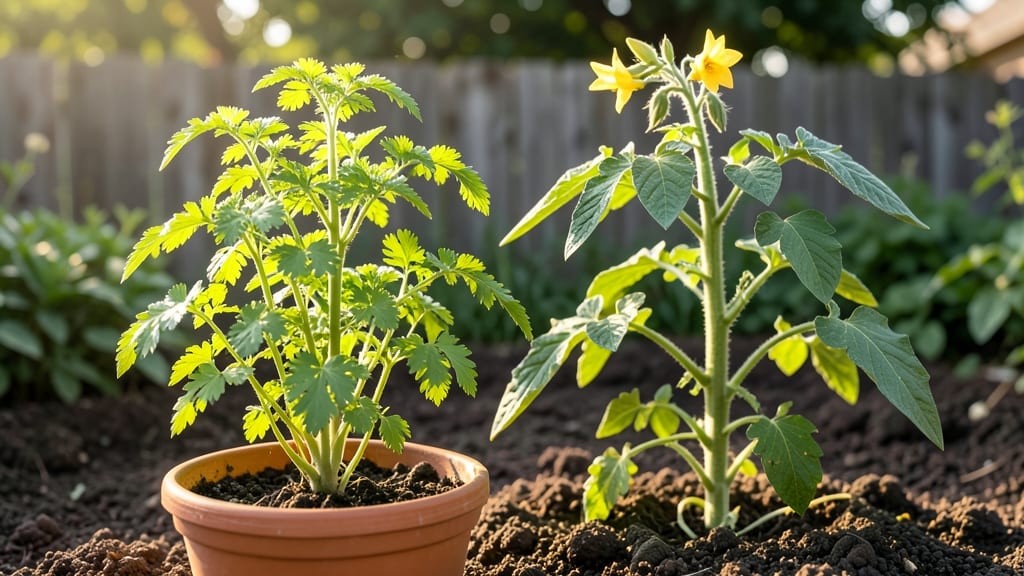
Cilantro and tomato companion planting isn’t just clever—it’s a pest-repelling power duo that works better than chemical sprays. 🌱 I’ve seen firsthand how this pairing keeps aphids and whiteflies off my tomato plants while adding fresh flavor to my summer dishes. The secret lies in cilantro’s natural compounds that deter pests while tomatoes thrive in the shade it provides.
Start by sowing cilantro seeds around the base of young tomato plants, keeping them 6-12 inches apart—close enough to benefit but not so crowded they compete for water.
If you’re planting in rows, interleave cilantro every 18 inches along the tomato row. This spacing gives both plants room to grow while maximizing their protective effects.
You’ll notice fewer pests within 2-3 weeks, and your tomatoes will taste even brighter thanks to the cilantro’s fresh, citrusy notes. Just watch for bolting—cilantro goes to seed fast in heat, so harvest leaves regularly or replant every 4-6 weeks for continuous protection.
For extra defense, add marigolds at the edges of your tomato patch—they repel even more pests while attracting pollinators. This trio keeps your garden thriving without chemicals, and the best part? Your harvest will be both bigger and tastier than ever.
📚 In This Guide
- What you need
- Instructions
- Tips and common mistakes
- Wrapping up and next steps
What you need
- ● Cilantro seeds or seedlings: 1–2 oz (or 2–4 plants if using seedlings). Opt for organic, non-GMO seeds for best results.
- ● Tomato seeds or seedlings: 3–5 plants (depending on variety—determinate or indeterminate). Choose disease-resistant varieties like Cherry Roma or Early Girl.
- ● Well-draining potting mix or garden soil: 5–10 gallons (or enough to fill raised beds/containers). Amend with compost for nutrient-rich soil.
- ● Containers or garden bed: Containers: At least 5-gallon pots (1 pot per tomato + 1 for cilantro, or a shared 10-gallon container). Ensure drainage holes are present!
- ● Garden bed: A 3’ x 3’ plot (minimum) with full sun exposure (6+ hours/day).
- ● Organic fertilizer: Balanced 10-10-10 or tomato-specific fertilizer (follow package rates).
- ● Mulch: Straw or shredded leaves (1–2 inches) to retain moisture and suppress weeds.
- ● Hand trowel or small shovel for planting.
- ● Watering can or hose with a gentle nozzle (avoid blasting seedlings!).
- ○ Gloves (optional but recommended for handling soil and plants).
- ● Pruning shears (for trimming cilantro or tomato suckers later).
- ○ pH testing kit (optional but helpful—ideal soil pH: 6.2–6.8).
- ● Companion plant markers (to track cilantro vs. tomato varieties).
- ● Neem oil or insecticidal soap (for occasional pest prevention).
- ● Drip irrigation system (to automate watering and save time).
- ● Shade cloth (if your climate gets scorching summer heat—cilantro bolts easily!).
Step-by-step guide for planting cilantro with tomatoes
This pairing boosts flavor, deters pests, and saves space—here's how to make it work.
🌱 Step 1: Choose the Right Tomato Varieties and Planting Spots
Select determinate tomato varieties like 'Roma' or 'Celebrity'—they stay compact and won't shade out cilantro. Avoid sprawling indeterminate types unless you're using a trellis. Plant tomatoes in full sun (6-8 hours daily) with well-draining soil, testing pH between 6.0-6.8 for optimal nutrient uptake.
Here's the thing—cilantro thrives in cooler weather, so time your tomato planting to give it a head start. If you're in a warm climate, opt for heat-tolerant cilantro varieties like 'Santo' or plant cilantro in partial shade once tomatoes mature. Space tomato plants 18-24 inches apart to leave room for cilantro between rows.
🌿 Step 2: Plant Cilantro Strategically Around Tomatoes
Sow cilantro seeds 1-2 inches apart in rows 12-18 inches from tomato stems. The key is to avoid direct competition—cilantro has shallow roots, while tomatoes need deep soil. I like to plant cilantro in small trenches (1 inch deep) along the outer edges of the tomato bed, where it gets morning sun and afternoon shade from the tomato leaves.
Wait until tomato seedlings show 4-5 true leaves before planting cilantro. This ensures tomatoes have established strong roots first. Water the area thoroughly before sowing—cilantro seeds need consistent moisture to germinate, and tomatoes will appreciate the deep watering too. You'll see cilantro sprouts in 7-14 days if soil stays 65-75°F.
☀️ Step 3: Maintain Proper Watering and Mulching
Water the pair deeply 1-2 times per week, aiming for 1 inch of water total. Cilantro bolts (goes to seed) when stressed, so keep soil evenly moist but not soggy. Tomatoes prefer deep, infrequent watering, so water at the base in the morning to prevent fungal issues. I use 2-3 inches of organic mulch (like straw) around both plants to retain moisture and suppress weeds.
Here's where it gets fun—the cilantro's strong scent repels aphids, spider mites, and whiteflies that plague tomatoes. You'll notice fewer pests on your tomatoes once cilantro reaches 3-4 inches tall. Just avoid overwatering after germination—cilantro roots are sensitive to rot.
✂️ Step 4: Prune and Harvest for Maximum Benefits
Prune tomato suckers (the small shoots in leaf axils) regularly to encourage bushier growth and better airflow. This prevents fungal diseases that could harm both plants. Harvest cilantro outer leaves first to encourage bushier regrowth. If cilantro starts to bolt (long stems with flowers), snip the flowering stems immediately—this redirects energy to leaf production.
Real talk: cilantro and tomatoes have different maturity timelines. Once tomatoes produce fruit, they'll shade out cilantro—so harvest cilantro before tomatoes fully mature. You'll get 4-6 weeks of cilantro before it's time to replant or let it go to seed for next year's crop.
🪴 Step 5: Rotate and Extend the Pairing Seasonally
After your first cilantro harvest, remove spent plants and replant with fast-maturing varieties like 'Calypso' for a second crop. In cooler climates, you can plant cilantro again in early fall once night temperatures drop below 75°F. Tomatoes can often produce a second flush of fruit in fall with proper care—just stake them and protect from early frost.
Don't skip this: rotate planting locations next year. Tomatoes are heavy feeders and can deplete soil nutrients, while cilantro benefits from fresh, fertile soil. I mark my garden with stakes to remember where each pair grew—this prevents soil-borne diseases from building up.
Tips & tricks for perfect cilantro and tomato pairing
This smart planting strategy saves space and boosts yields—but only if you nail these key details.
Sunlight Strategy: The 6-8 hours of full sun requirement is non-negotiable for tomatoes, but cilantro can handle partial shade once tomatoes mature. I plant cilantro on the north side of tomato beds in my garden to give it morning sun and afternoon shade naturally. This prevents bolting while still letting tomatoes thrive.
Timing Secret: Waiting until tomatoes show 4-5 true leaves before planting cilantro ensures your tomatoes have established strong roots first. I've learned this the hard way—planting cilantro too early can stunt tomato growth when both compete for nutrients. Think of it as giving your tomatoes a head start in the race.
Pest Prevention: The cilantro's pest-repelling benefits kick in once it reaches 3-4 inches tall. That's when those aphids and spider mites start getting confused by the strong scent. I like to interplant basil nearby too—it adds another layer of pest protection while complementing the cilantro-tomato flavor profile.
Soil Prep: Before planting, mix 1-2 inches of compost into the top 6 inches of soil where both plants will grow. Tomatoes are heavy feeders, and cilantro benefits from fertile soil too. I always test soil pH first—aiming for that 6.0-6.8 range makes all the difference in plant health and flavor.
Pro Tips for Cilantro And Tomato Companion Planting
- This smart planting strategy saves space and boosts yields—but only if you nail these key details.
- Sunlight Strategy: The 6-8 hours of full sun requirement is non-negotiable for tomatoes, but cilantro can handle partial shade once tomatoes mature.
- Timing Secret: Waiting until tomatoes show 4-5 true leaves before planting cilantro ensures your tomatoes have established strong roots first.
Frequently asked questions
about cilantro and tomato companion planting—your quick guide to success!Can cilantro and tomatoes grow together in containers?
Both thrive in containers with at least 5-gallon pots (or larger). Use well-draining soil, place them in partial sun (tomatoes need 6+ hours; cilantro prefers 4–6), and ensure pots have drainage holes. Just monitor watering—containers dry out faster!
What’s the best time to plant cilantro with tomatoes?
Plant cilantro 2–4 weeks after your last frost when soil is warm (60°F+). For cooler climates, opt for slow-bolt cilantro varieties (like ‘Calypso’). Avoid planting cilantro too early—it may bolt prematurely, or too late—it might struggle in summer heat.
Will cilantro repel tomato pests like hornworms?
Yes! Cilantro’s strong scent confuses pests (including aphids and spider mites) and attracts beneficial insects like ladybugs. However, it’s not a hornworm deterrent—handpick those instead. Pair with basil or marigolds for extra pest protection.
Can I replace cilantro with another herb for tomatoes?
Try these cilantro alternatives:
- Dill: Repels spider mites but attracts tomato fruitworms.
- Basil: Improves tomato flavor and deters mosquitoes.
- Parsley: Slower-growing but great for pest control.
Why is my cilantro dying near tomatoes? What’s wrong?
Common issues:
- Overwatering: Cilantro hates soggy roots—water only when topsoil is dry.
- Bolting: Too much heat or long daylight? Harvest leaves early or choose heat-tolerant varieties.
- Shade competition: Tomatoes can overshadow cilantro. Prune tomato suckers to improve airflow.
Wrapping up and next steps
Companion planting cilantro and tomatoes isn’t just smart—it’s a game-changer for your garden! 🌱 This dynamic duo boosts flavor, deters pests, and maximizes space, making your harvest healthier and easier.
Whether you’re a seasoned gardener or just starting, this pairing proves that nature’s teamwork can simplify your green thumb journey.
Ready to put it into action? Start small this season—plant a few cilantro seeds near your tomatoes and observe the magic unfold. Before you know it, you’ll be reaping the rewards of a thriving, pest-resistant garden! 🌿✨