
Planting
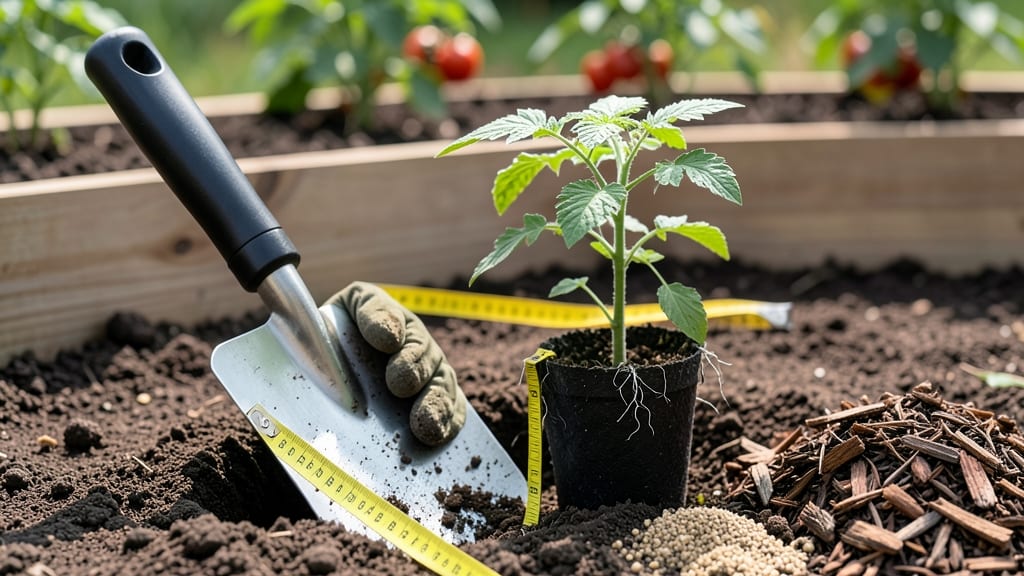
Knowing how deep to bury tomato plants—about 2 to 3 inches of stem below soil—is the key to strong roots and bigger harvests 🍅.
Planting tomatoes too shallow or too deep can stunt growth, weaken roots, and reduce yields—so getting the soil depth right is the secret to thriving plants. Whether you're a first-time gardener or a seasoned grower, mastering this simple technique will transform your tomato harvests.
Most gardeners focus on soil type and sunlight, but the depth you bury those stems actually determines how well your plants handle wind, disease, and drought. Too shallow, and you risk flopping vines; too deep, and you smother the plant's natural ability to grow.
In this guide, I’ll walk you through the exact method for planting—including how to adjust for different tomato varieties—and share the common mistakes that even experienced gardeners make. By the end, you’ll know exactly how deep to bury those plants for a garden full of healthy, productive tomatoes.
The ideal soil depth for planting tomato stems: science-backed guidelines
Getting the soil depth right when planting tomatoes isn't just about sticking a seedling in the ground—it's about creating a root-friendly environment that supports vigorous growth. Too shallow, and your plant struggles to anchor; too deep, and you risk suffocating roots or encouraging disease.
The science behind stem burial reveals why planting depth matters more than most gardeners realize.
Tomatoes are unique because they can develop adventitious roots along their buried stems, which strengthens the plant and increases yield potential.
But this only works if you bury the right amount. Determinate varieties (bush types) and indeterminate varieties (vining types) each have slightly different needs, and ignoring these differences can lead to weak stems or poor fruit production.
Here's the golden rule I follow: bury 1/3 to 1/2 of the stem's total length when transplanting. For most seedlings, this means 2-3 inches deep—but there's more to it than just measurements. The soil type, weather conditions, and even your local USDA zone can influence the ideal depth.
| Tomato Type | Recommended Depth | Stem Burial | Root Development Benefit |
|---|---|---|---|
| Determinate (Bush) | 2-3 inches deep | 1/3 of stem length | Sturdier base, fewer disease risks |
| Indeterminate (Vining) | 3-4 inches deep | 1/2 of stem length | More adventitious roots, better support |
| Seedlings (Young) | 1-2 inches deep | 1/4 of stem length | Prevents stem rot, encourages root growth |
| Mature Transplants | 3-4 inches deep | Up to 1/2 stem length | Maximizes root zone, increases yield |
The reason indeterminate varieties need slightly deeper planting is their vining habit. These tomatoes grow continuously, so burying more stem encourages more adventitious roots along the buried portion.
Think of it like giving your plant a built-in root support system—the deeper you bury (within reason), the more roots can form, leading to a stronger, more productive plant.
One common mistake I see is planting too shallow, which leaves the stem exposed and vulnerable to sun scald or disease entry points. When stems aren't buried enough, they can also flop over under the weight of fruit, especially in indeterminate varieties.
On the flip side, burying too deep can suffocate the stem and prevent it from developing properly, leading to weak growth or even rot.
Here's a pro tip: always check the root flare before planting. The root flare is the slightly swollen area where the roots meet the stem—this should be just above soil level after planting. Burying it too deep can strangle the plant, while leaving it exposed risks stem rot.
If your seedling has a thick stem, you might need to trim lower leaves before burying to prevent them from rotting underground.
Soil type also plays a role. In heavy clay soils, you might need to plant slightly shallower to avoid compacting the roots, while sandy soils can benefit from deeper planting to encourage root spread.
Always loosen the soil around the planting hole to a depth of at least 12 inches—this gives roots room to establish without resistance. Mixing in compost or aged manure at this stage provides essential nutrients for early root growth.
After planting, water thoroughly to settle the soil around the stem and remove any air pockets. This helps the buried portion make immediate contact with moisture, which is critical for root development.
In my experience, mulching with straw or grass clippings after planting helps maintain even moisture and prevents soil-borne diseases from splashing onto the stem.
Remember, the goal isn't just to bury the stem—it's to create an environment where those adventitious roots can thrive. With the right depth, your tomatoes will develop a stronger root system, better support for heavy fruit, and greater resistance to environmental stresses.
And that's how you go from good harvests to exceptional yields.
Step-by-step planting technique: how to bury tomato plants correctly
Getting the soil depth right when planting tomatoes is more than just a guess—it’s a science that determines how well your plants establish roots and resist disease. I’ve learned that burying stems too shallow causes weak stems, while planting too deep can rot roots.
The key is finding that perfect balance for your tomato variety, whether it’s a compact determinate type or a sprawling indeterminate vine.
Before you dig, prepare the hole by loosening the soil to a depth of 12-18 inches. This ensures roots can spread easily without resistance. Mix in a handful of compost or well-rotted manure to give your tomato plants a nutrient boost right from the start.
The goal is to create a welcoming environment where roots can establish quickly and grow strong.
Step-by-Step Guide to Burying Tomato Plants
-
Step 1: Dig the Hole
Create a hole twice as wide as the tomato seedling’s root ball and 12-18 inches deep. Loosen the soil at the bottom to encourage root penetration. -
Step 2: Remove the Seedling
Gently take the tomato plant from its container and loosen the roots if they’re circling. This prevents root stress and encourages outward growth. -
Step 3: Adjust Depth for Variety
Determinate tomatoes: Bury 1/3 of the stem (about 1-2 inches).
Indeterminate tomatoes: Bury 1/2 of the stem (about 2-3 inches) to strengthen the plant. -
Step 4: Position the Plant
Place the seedling in the hole so the root flare (where roots meet the stem) sits just below soil level. Avoid burying the stem too deep near the base. -
Step 5: Backfill and Firm
Fill the hole with soil, pressing lightly to remove air pockets. Leave a small mound around the base to help water drain away from the stem. -
Step 6: Water Thoroughly
Water deeply until the soil is moist 12 inches down. This encourages roots to grow downward and establishes a strong foundation.
After planting, I always water deeply once more to settle the soil and eliminate air pockets. This step is critical because it helps the roots make immediate contact with the moist soil, reducing transplant shock.
For indeterminate varieties, install a sturdy tomato cage or stake right away—even if the plant seems small. Burying the stake now prevents root damage later.
Mulch around the base of your tomato plants with 2-3 inches of organic mulch, like straw or shredded leaves, to retain moisture and regulate soil temperature. This simple step reduces the need for frequent watering and keeps the soil consistently moist, which is essential for root development.
Avoid piling mulch against the stem to prevent rot.
Within a week, you’ll notice new growth as the buried stem develops additional roots. These roots provide extra stability and nutrient uptake, leading to healthier plants and bigger yields.
The deeper you bury the stem (within reason), the stronger your tomato plant will become—just remember to avoid burying the base too deeply to prevent rot.