
How To
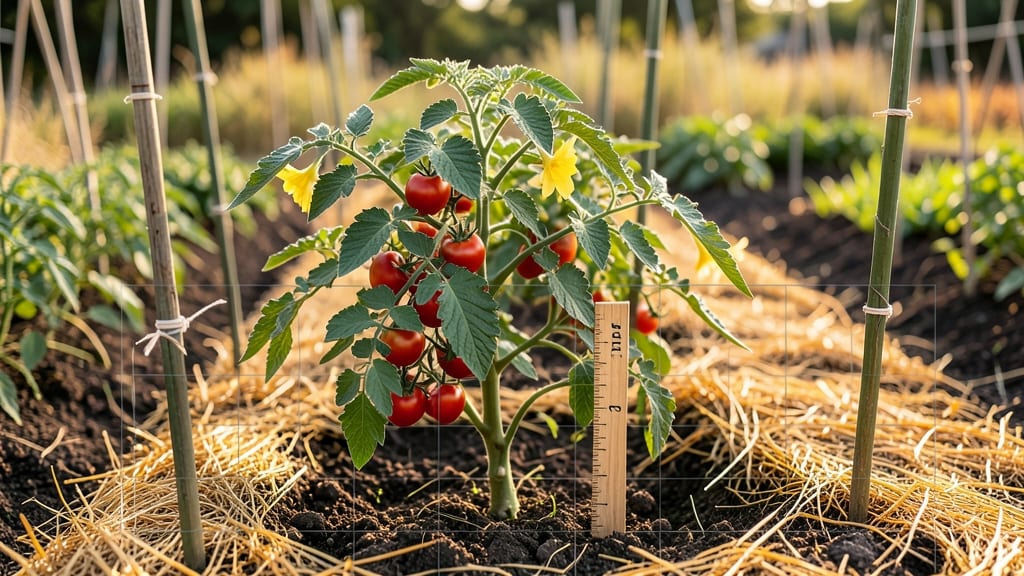
To maximize yield from tomato plants per square foot, you’ll need a spacing strategy that balances growth habits and garden space—because cramming too many plants together guarantees poor airflow and disease.
Struggling to fit tomato plants into your garden without sacrificing yield? The right spacing strategy can turn even the smallest plot into a high-output harvest zone—without crowding or disease risks.
Determinate varieties (the bush types) thrive with 2-3 plants per square foot, while sprawling indeterminate vines need 1 plant per square foot or a sturdy trellis to climb. Get this wrong, and you’ll end up with stunted plants, fewer tomatoes, and a blight-prone mess.
Below, I’ll break down the exact spacing rules for your garden type—whether you’re working with raised beds, containers, or vertical setups—plus how to pair tomatoes with the best companion plants for even bigger harvests.
Optimal tomato plant spacing by variety and growth type
Choosing the right spacing for your tomato plants depends entirely on their growth habit.
Determinate varieties stay compact, while indeterminate types grow like vines—both need different approaches to thrive. Poor spacing leads to crowded foliage, disease risks, and lower yields, but getting it right maximizes airflow and sunlight for bigger harvests. Let’s break down the ideal distances for each type.
I’ve grown both bush tomatoes and vining varieties in my garden, and the difference in spacing needs is dramatic.
Determinate tomatoes like ‘Roma’ or ‘Celebrity’ produce all their fruit at once and stay under 3 feet tall, while indeterminate types like ‘Sungold’ or ‘Better Boy’ keep growing and need support structures like cages or trellises. Here’s how to space them for success.
Key spacing factors include mature plant size, trellis use, and garden type (in-ground, raised beds, or containers). For example, a 4x4-foot raised bed can fit 4 determinate plants but only 2 indeterminate ones. Let’s compare the numbers in a clear table to help you plan your layout.
For determinate tomatoes, like ‘Early Girl’ or ‘Patio’ varieties, spacing 18-24 inches apart in the ground ensures they don’t compete for nutrients. In raised beds, you can tighten this to 12-18 inches since soil drains better.
These plants produce a single harvest, so packing them slightly closer works—just avoid overcrowding, which invites fungal diseases like early blight.
Indeterminate tomatoes, however, are a different story. Varieties like ‘Brandywine’ or ‘Black Krim’ grow 6 feet or taller and produce fruit all season long. They need 24-36 inches of space in the ground and 18-24 inches in raised beds to support their sprawling vines.
Without proper spacing, you’ll end up with shady lower leaves and poor airflow, both of which encourage pests and disease.
If you’re working with small spaces, consider dwarf varieties like ‘Tiny Tim’ or ‘Micro Tom’. These can be planted 6-12 inches apart in containers or raised beds, giving you 2-4 plants per square foot.
They’re perfect for balconies or windowsills and still produce abundant fruit—just don’t expect the same size as full-sized tomatoes.
For cherry tomatoes, which are often indeterminate, spacing 18-24 inches apart works well. Since they produce clusters of small fruit, you can fit 2 plants per square foot in raised beds if you use a trellis.
This setup maximizes yield in tight spaces while keeping the plants healthy. Always pair them with a support structure to prevent sprawling and improve airflow.
One common mistake I see is ignoring mature plant size when planning. A 4x4-foot bed might seem spacious, but it can only fit 4 determinate plants or 2 indeterminate ones if you follow the spacing rules.
Skipping support for vining types or packing plants too closely will reduce your harvest and increase disease risks. Always plan for the plant’s full-grown dimensions, not its seedling size.
Pro tip: Use vertical gardening for indeterminate types in small spaces. A 6-foot trellis in a 4x4-foot bed can support 2-3 plants with proper pruning, freeing up ground space for other crops. Just ensure the trellis is sturdy—tomatoes get heavy with fruit! 🌱
Square foot gardening layouts for tomato plants
Square foot gardening transforms small spaces into productive tomato powerhouses by maximizing every inch. With the right layout, you can fit 1-4 tomato plants per square foot, depending on their growth habits.
The key is balancing plant size, airflow, and sunlight access—especially in compact 4x4-foot beds where space is precious.
For beginners, I recommend starting with a 1-square-foot grid system where each cell holds just one plant. This prevents overcrowding and makes maintenance easier. But don’t stop there—companion plants and vertical supports can double your yield without expanding your footprint.
Tomato Plants Per Square Foot: Spacing Guide
- 1 plant – Dwarf varieties (e.g., 'Tiny Tim', 'Patio Princess') or bush tomatoes in 1-square-foot cells. Ideal for 4x4-foot beds (16 plants total).
- 1 plant – Determinate tomatoes (e.g., 'Roma', 'Celebrity') in 1-square-foot cells with 18-inch trellises for support. Yield: 6-8 lbs per plant.
- 1 plant – Indeterminate tomatoes (e.g., 'Sungold', 'Brandywine') in 1-square-foot cells with 4-6-foot trellises. Yield: 10-20 lbs per plant (prune suckers weekly).
- 4 plants – Cherry tomato varieties (e.g., 'Sweet 100', 'Tiny Tim') in 1-square-foot cells for high-density clusters. Use cage supports and prune heavily. Yield: 1-2 lbs per plant.
Pro Tip: Leave 6-inch aisles between rows for easy access and airflow. In 4x4-foot beds, arrange plants in a checkerboard pattern to maximize sunlight exposure.
Companion planting is a game-changer in square foot gardens. Pair tomatoes with basil, marigolds, or onions to deter pests like aphids and whiteflies. Avoid planting near fennel or brassicas, which stunt tomato growth.
For vertical gardens, use tomato cages or trellises to train vines upward, freeing up ground space for other crops.
In a 4x4-foot bed, you can fit 16 determinate plants or 9 indeterminate plants with proper spacing. For indeterminate varieties, dedicate one corner to a 6-foot trellis to support sprawling vines. This layout ensures optimal airflow and reduces disease risk while maximizing your harvest.
Monitor your plants weekly for signs of overcrowding, like yellowing leaves or stunted growth. If you notice these, thin out weaker plants or relocate them to a container garden. With the right layout, your 1-square-foot cells will become a high-yielding tomato factory—even in the smallest of spaces!
🌱