
How To
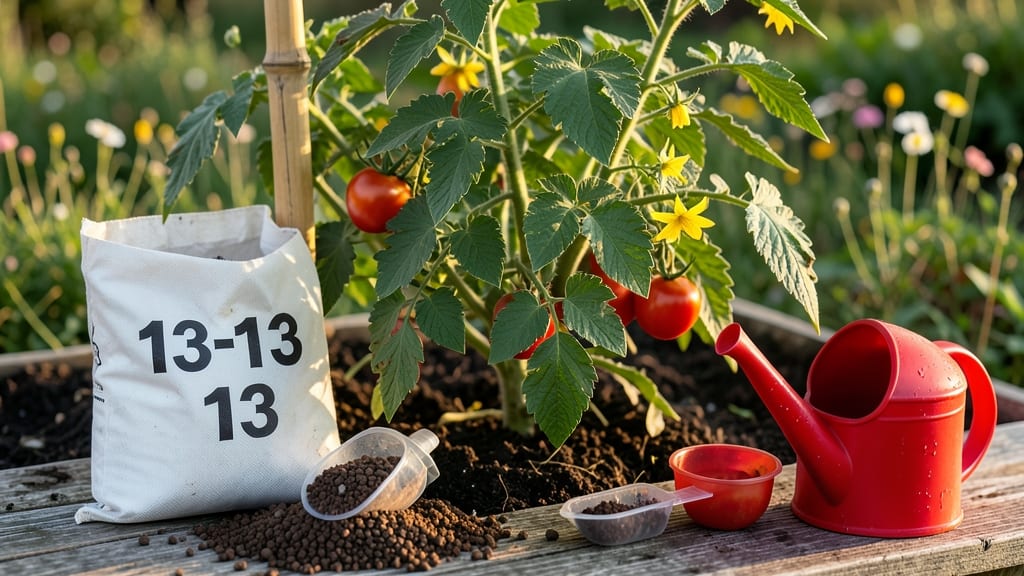
To get the best tomatoes from your garden, applying the right amount of 13-13-13 fertilizer per tomato plant is key—too little leaves your 🍅 plants hungry, while too much burns roots and stunts growth.
Picture this: you’ve spent weeks nurturing your seedlings, only to watch them wilt or produce tiny, flavorless fruit. The culprit? Often, it’s fertilizer missteps—whether overdoing it or skipping critical feeding stages. I’ve made those mistakes, and the good news is, they’re easily avoidable with a precise plan.
Here’s what you need to know: the science-backed schedule for applying 13-13-13 fertilizer at every growth stage, from seedlings to harvest. We’ll cover how much to use, when to feed, and how to spot signs of over- or under-fertilizing so your plants thrive without wasting resources.
You’ll also discover organic alternatives that mimic the same balanced nutrition, plus the three warning signs that tell you to stop fertilizing immediately. Let’s get your tomatoes growing strong and productive!

13-13-13 Fertilizer dosage for tomato plants by growth stage: exact measurements
Tomatoes thrive with balanced nutrition, and a 13-13-13 fertilizer provides equal parts nitrogen, phosphorus, and potassium—perfect for steady growth. But applying the wrong amount at the wrong time can stunt your plants or even kill them.
The key is adjusting your dosage based on your tomato’s growth stage, from seedlings to harvest. I’ll break down the exact measurements for each phase, plus how to test your soil first to avoid overdoing it.
Before you grab that 13-13-13 bag, check your soil’s pH and nutrient levels. Tomatoes prefer a pH between 6.0 and 6.8. If your soil is already rich in nutrients, you might not need as much fertilizer.
Use a soil test kit (available at garden centers) to measure nitrogen, phosphorus, and potassium levels. If your soil is deficient in any of these, adjust your 13-13-13 dosage accordingly—you might need more phosphorus for flowering or potassium for fruiting.
| Growth Stage | 13-13-13 Dosage (per plant) | Frequency | Notes |
|---|---|---|---|
| Seedlings (Transplant to Early Growth) | ½ teaspoon (1.25g) | Once, at transplanting | Light dose to avoid burning young roots. |
| Vegetative Growth (4-6 weeks after transplant) | 1 tablespoon (7g) | Every 4-6 weeks | Encourages strong stem and leaf growth. |
| Flowering Stage (When buds appear) | 1.5 tablespoons (10g) | Every 3-4 weeks | Boosts phosphorus for better flower and fruit set. |
| Fruiting Stage (After first tomatoes appear) | 2 tablespoons (14g) | Every 4 weeks | Supports heavy fruit production and prevents blossom end rot. |
| Late Season (4-6 weeks before harvest) | None | N/A | Stop fertilizing to harden plants before frost. |
For container-grown tomatoes, cut the dosage by half since roots have less soil to access nutrients. Mix the 13-13-13 fertilizer into the top 2-3 inches of soil and water it in thoroughly to prevent root burn.
Avoid applying fertilizer directly to leaves or stems—this can cause chemical burns and stunted growth. Instead, focus on the root zone and water well after application to help nutrients penetrate the soil.
If you’re using organic alternatives, consider switching to a balanced organic fertilizer like fish emulsion (5-1-1) or compost tea during the flowering and fruiting stages. These options provide similar nutrients without the risk of synthetic buildup in your soil.
For example, a compost tea applied weekly during fruiting can replace some of the 13-13-13 while improving soil health long-term.
Watch your tomatoes for signs of over-fertilization, such as yellowing leaves, stunted growth, or excessive leafy growth with few fruits. These symptoms often mean you’re giving too much nitrogen. On the flip side, under-fertilization shows up as slow growth, pale leaves, or poor fruit development.
Adjust your dosage based on these visual cues—your plants will thank you with bigger, healthier tomatoes.
Timing matters just as much as dosage. Apply 13-13-13 fertilizer in the morning so the nutrients have time to absorb before the heat of the day. Avoid fertilizing during extreme heat or drought, as stressed plants can’t absorb nutrients efficiently.
Instead, pair your fertilizer applications with deep watering to help the nutrients reach the roots where they’re needed most.
For heirloom or indeterminate varieties, like 'Brandywine' or 'Sungold', you might need to fertilize more frequently because these plants produce fruit continuously throughout the season. Monitor their growth closely and adjust your schedule to match their demands.
Remember, the goal is to support steady growth without overloading the plant—think of it like feeding your tomatoes a balanced diet, not a feast.
Finally, don’t forget to mulch around your tomato plants after applying fertilizer. A 2-3 inch layer of organic mulch, like straw or shredded leaves, helps retain moisture and keeps nutrients in the root zone.
This simple step can reduce the need for frequent fertilizer applications while protecting your soil from erosion and weeds.
With this stage-by-stage approach, your tomato plants will have the perfect balance of nutrients to grow strong, produce abundant fruit, and reward you with a bountiful harvest. Happy gardening!
Common mistakes when using 13-13-13 on tomato plants (and how to avoid them)
Using 13-13-13 fertilizer on tomato plants can boost yields—but only if applied correctly. Many gardeners make critical errors that stunt growth or even kill plants. The most common mistake? Over-fertilizing, which leads to nutrient burn and root damage.
Even well-meaning gardeners often misjudge how much 13-13-13 to use, especially during different growth stages.
Another frequent error is ignoring soil test results before applying fertilizer. Your soil may already have enough nutrients, making extra 13-13-13 unnecessary—or even harmful. Without testing, you risk creating an imbalance that causes nutrient lockout, where plants can't absorb phosphorus or potassium despite having them in the soil.
Here’s the critical warning you need to know:
⚠️ How Much 13-13-13 Per Tomato Plant?
Seedlings: ½ teaspoon mixed into soil at planting (max). Mature plants: 1 tablespoon per plant every 4-6 weeks during flowering/fruiting. Never exceed 1.5 tablespoons per application—this can burn roots and halt growth. Always water deeply after applying to prevent salt buildup.
Watch for signs of over-fertilization, like yellowing leaves with brown edges or stunted growth. These symptoms often appear 1-2 weeks after over-applying 13-13-13. Nutrient toxicity can also cause blossom end rot, where fruit develops dark, sunken spots near the stem.
If you see these issues, flush the soil with water 3-4 times the pot’s volume to dilute excess salts.
On the flip side, under-fertilizing shows up as pale yellow leaves, weak stems, or poor fruit set. If your tomatoes aren’t producing, check if they’re getting enough phosphorus (P) for flowering. A light application of bone meal (3-4-0) can help, but balance it with your 13-13-13 to avoid overloading nitrogen.
Adjust your approach based on plant symptoms. For example, if leaves turn purple, your tomatoes need phosphorus—but don’t dump more 13-13-13. Instead, pair it with a low-nitrogen fertilizer like 0-20-20. Always split applications into smaller doses (e.g., ½ tablespoon every 2 weeks) rather than one big feeding.
Remember: 13-13-13 is a balanced fertilizer, but balance is key. Too much nitrogen early on encourages leafy growth at the expense of fruit. Shift to a lower-nitrogen formula (like 5-10-10) once flowers appear.
With these adjustments, you’ll avoid the most common mistakes and keep your tomato plants thriving all season. 🌱