
How To
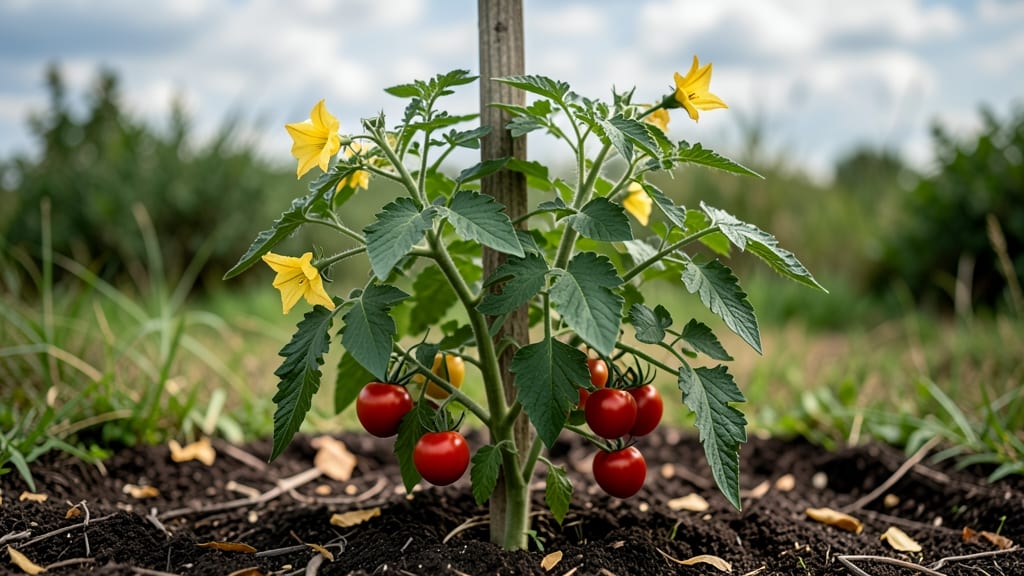
Tomato plants need 6 to 8+ hours of direct sunlight daily to thrive 🍅 — and getting that right is the difference between a bountiful harvest and sad, underperforming vines.
Here’s the truth: most gardeners overestimate how much light their tomatoes actually get. A spot that feels sunny might only deliver 4 hours of real sun, leaving your plants stretched, weak, and struggling to set fruit. I’ve seen it happen more times than I can count.
Sunlight needs change as your tomatoes grow—seedlings need gentle morning light, while flowering and fruiting stages demand peak afternoon rays. Without the right balance, you’ll end up with leggy stems, pale leaves, or tomatoes that never ripen.
Below, I’ll break down the exact hours your plants need at each stage, plus how to fix common sunlight mistakes before they derail your harvest.
You’ll also discover how to spot sunlight stress early, adjust for shade, and even work around less-than-ideal locations—so you can finally grow tomatoes that look (and taste) like they came from a farmer’s market, not a disappointment.

Tomato sunlight requirements by growth stage: exact hourly breakdown
Tomatoes are sun worshippers—6-10 hours of direct sunlight daily is their sweet spot for maximum growth and fruit production. But here's the catch: their needs change dramatically from seedling to fruiting stage.
Too little light at the wrong time leads to stretched, weak plants with poor yields, while too much can scorch leaves. Let's break down the exact sunlight hours your tomatoes need at each stage, plus how temperature affects photosynthesis.
Understanding these stages helps you adjust placement as your plants grow. For example, young seedlings need gentle morning sun to avoid burning, while mature plants crave full afternoon sun for ripening fruit.
The key is matching light exposure to the plant's biological needs—think of it like feeding them the right "diet" of photons at each life phase.
🌱
The vegetative stage (2-6 weeks) is where your tomato plants build their foundation. This is when they need 6-8 hours of direct sunlight daily to develop strong stems and leaves.
During this phase, photosynthesis primarily fuels leaf and stem growth, so aim for bright, indirect light if growing indoors or in partial shade. If you notice purple or yellow leaves, it's a sign of nitrogen deficiency from insufficient light.
When tomatoes transition to the flowering stage (6-8 weeks), their sunlight needs spike to 8-10 hours daily. This is non-negotiable for fruit set—plants need energy to produce flowers and develop fruit. In cooler climates, extend their light exposure with reflective mulch or move containers to sunnier spots.
The afternoon sun (2 PM - 6 PM) is especially critical here, as it helps regulate flower pollination and prevents blossom drop.
🌿
During the fruiting stage (8+ weeks), tomatoes become sun hogs, requiring 10+ hours of full sun to develop flavorful, high-yield fruit. This is when temperature and light work together—warmth accelerates photosynthesis, but too much heat without adequate light leads to sunscald (white, leathery patches on fruit).
If you're in a hot climate, provide light afternoon shade (3 PM - 5 PM) to protect leaves while keeping fruit exposed to sunlight for ripening.
One common mistake is assuming all tomatoes need the same light year-round. In late summer, when days shorten, your plants may need supplemental grow lights (12-14 hours total) to maintain production.
For container-grown tomatoes, rotate pots weekly to ensure even sunlight exposure—plants will lean toward the light, creating weak stems. Pro tip: Use a sun calculator for your location to track daily sunlight hours and adjust plant placement accordingly.
🌞
Temperature plays a hidden role in sunlight efficiency. Below 65°F (18°C), photosynthesis slows dramatically, even with full sun. In cooler climates, use black plastic mulch or row covers to absorb heat and extend the growing season.
Conversely, above 95°F (35°C), leaves may roll or scorch—provide drip irrigation to keep foliage cool. The sweet spot is 75-85°F (24-29°C), where light and temperature create the perfect photosynthesis cocktail.
For container gardeners, choose south-facing spots and upgrade to 10-12 gallon pots—larger containers hold more soil, which retains heat and moisture longer. If your balcony only gets 4-6 hours of sun, opt for determinate varieties like 'Roma' or 'Patio Princess,' which produce fruit faster in limited light.
Always monitor your plants' color and growth rate—healthy leaves should be deep green and upright, not pale or wilted.
Signs your tomatoes aren't getting enough (or too much) sunlight
If your tomato plants look leggy with small leaves and few flowers, they're likely starving for sunlight. I’ve seen this happen when gardeners place plants under partial shade trees or in north-facing containers. The key is recognizing these visual cues early—before your harvest suffers.
On the flip side, sunburned tomatoes show up as bleached patches on leaves or cracked fruit. This often happens in hot climates or when plants get too much midday sun without proper hydration. Both extremes can ruin your yield if ignored.
Tomatoes need 6-8+ hours of direct sunlight daily, but the exact amount varies by growth stage. Seedlings tolerate 4-6 hours, while flowering/fruiting stages demand full sun exposure. Without this, photosynthesis slows, weakening your plants.
Sunlight Needs
- Maximizes photosynthesis
- Boosts fruit production
- Prevents leggy growth
- Risk of sunburn
- Increased water needs
- Stress in extreme heat
- Slower growth in hot climates
- Reduces watering needs
- Safer for seedlings
- Poor fruit set
- Weak stems
- Leaf yellowing
For sun deficiency, move plants to a sunnier spot immediately. If they’re in containers, relocate them to a south-facing balcony or use reflective mulch. In shaded gardens, try dwarf varieties like 'Tiny Tim' that tolerate 4-6 hours of sun.
If you spot sunburn symptoms, provide afternoon shade with a lightweight shade cloth (30-50% coverage) or mulch heavily to keep roots cool. Water deeply in the morning to prevent stress during peak heat.
Monitor your plants daily—adjust sunlight exposure based on leaf color, stem strength, and fruit development. With the right balance, you’ll go from struggling vines to a bountiful harvest in no time! 🌱☀️