
How To
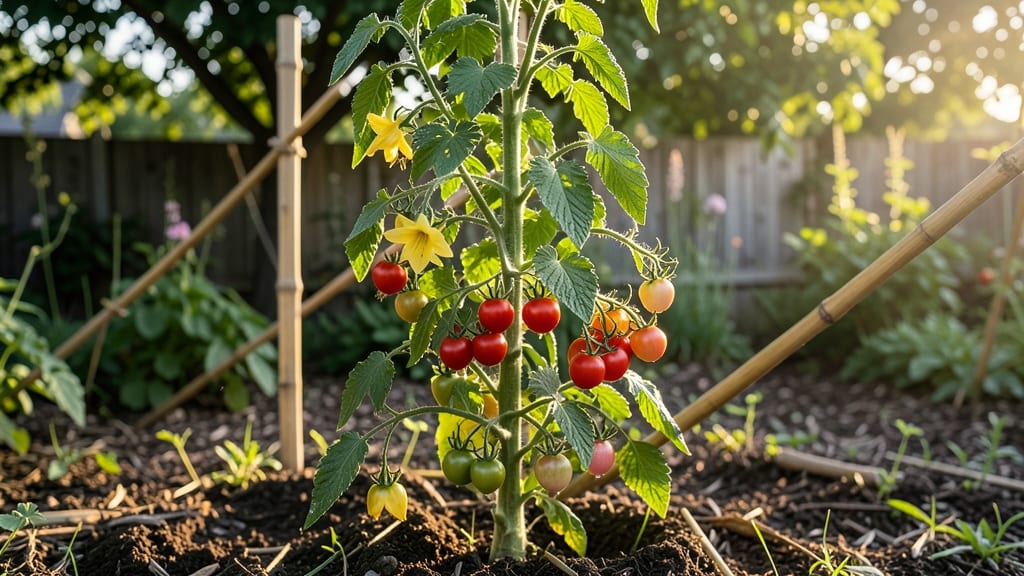
Cherry tomato plants can grow anywhere from 1 to 10 feet tall, depending on whether they’re indeterminate vines or compact determinate bushes.
If you’ve ever wondered why your cherry tomato plants seem to either sprawl uncontrollably or stay stubbornly compact, the answer lies in their growth habit—and it directly impacts how much space you’ll need to dedicate to them.
Indeterminate varieties, like 'Sweet Million' or 'Tiny Tim,' climb like jungle vines, while determinate types, such as 'Tumbling Tom,' stay neatly bushy. Without proper support, those towering vines can reach 6 to 10 feet, but with pruning and trellises, you can keep them in check.
Below, I’ll break down the key differences, how to manage their height, and the best varieties for your space—so you can maximize your harvest without sacrificing your garden layout.


Indeterminate cherry tomato plants: unlimited growth potential and space requirements
Indeterminate cherry tomato plants are famous for their unlimited growth potential, often reaching heights of 6 to 10+ feet if left unchecked. Unlike their determinate cousins, these vining plants continue producing new leaves, stems, and flowers throughout the growing season—meaning they’ll keep climbing until frost stops them.
This continuous vertical growth makes them ideal for gardeners with vertical space or trellising systems, but it also demands careful planning to prevent sprawl or overcrowding.
The key to managing indeterminate cherry tomatoes lies in understanding their natural growth habit. Without intervention, they’ll sprawl across the ground, competing with weeds and making fruit harder to reach.
However, with the right support structures and pruning techniques, you can guide their growth upward, maximizing your garden’s efficiency and yield. Popular varieties like 'Sungold', 'Sweet 100', and 'Tiny Tim' (though the latter is semi-determinate) showcase this growth pattern beautifully when properly managed.
| Variety Type | Height Range | Growth Habit | Space Needs | Support Required |
|---|---|---|---|---|
| Indeterminate | 6–10+ ft | Continuous vertical growth | Vertical (trellis/cage) | Trellis, stakes, or cages |
| Semi-Indeterminate | 4–6 ft | Moderate vertical growth | Vertical or bushy | Optional support |
| Determinate | 2–4 ft | Bushy, fixed height | Compact, no support | None (or minimal) |
One of the biggest misconceptions about indeterminate cherry tomatoes is that their height equals higher yields. In reality, unmanaged vines can become overcrowded, leading to fewer flowers and smaller fruit due to competition for sunlight and nutrients.
The secret is to prune strategically—removing suckers (the small shoots that grow between the main stem and branches) while preserving the plant’s airflow and sunlight exposure. Aim to keep the plant’s main stem sturdy and the branches spaced evenly for optimal fruit production.
When it comes to support systems, indeterminate cherry tomatoes thrive with vertical structures like trellises, cages, or stakes. A 5–6 foot tall trellis is ideal for most varieties, allowing vines to climb while keeping fruit off the ground and reducing disease risk.
For smaller spaces, use tomato cages (5–6 feet tall) or bamboo stakes tied with soft plant ties. Avoid metal cages, as they can restrict growth as the plant matures.
Pruning isn’t just about height control—it’s also about encouraging fruit production. Focus on removing lower leaves (up to 12 inches from the ground) to improve airflow and reduce soil-borne diseases like blight.
Additionally, pinch off suckers regularly (every 1–2 weeks) to redirect the plant’s energy toward fruit development rather than excessive foliage. Pro tip: Use sharp, clean pruners to avoid damaging the main stem, and prune in the morning when the plant is dry to minimize disease spread.
For gardeners with limited space, consider container growing. Indeterminate cherry tomatoes can thrive in large pots (5+ gallons) with proper support, such as a freestanding trellis or wall-mounted planter.
Choose varieties like 'Tumbling Tom' or 'Micro Tom' (though the latter is dwarf), which are bred for smaller spaces but still produce abundant fruit. Just ensure your container has drainage holes and you’re using a lightweight potting mix to prevent root stress.
Another critical factor in managing height is watering consistency. Indeterminate cherry tomatoes have deep root systems and require 1–1.5 inches of water per week, especially during fruiting. Inconsistent watering can lead to blossom end rot or stunted growth.
Water at the base of the plant in the morning to reduce evaporation and fungal risks. Mulching with straw or shredded leaves helps retain moisture and keeps soil temperatures stable, further supporting healthy growth.
If you’re growing indeterminate cherry tomatoes in a greenhouse or high-tunnel, their growth can extend well into fall, sometimes until the first hard frost. To maximize your harvest, prune aggressively in early fall to focus energy on ripening existing fruit rather than new growth.
In colder climates, consider using row covers to extend the season and protect plants from early frosts. With the right care, a single indeterminate plant can produce pounds of cherry tomatoes over several months—making it a rewarding choice for patient gardeners.
Finally, don’t overlook the role of fertilization in supporting vertical growth. Use a balanced fertilizer (10-10-10 or 5-10-10) at planting and switch to a low-nitrogen
Determinate cherry tomato plants: compact growth limits and harvest timing
If you’ve chosen determinate cherry tomato varieties for your garden, you’re already working with a built-in advantage: their compact growth habit.
Unlike their indeterminate cousins, these plants grow to a predictable height range of just 2 to 4 feet, making them perfect for small spaces, containers, or garden beds with limited vertical room.
This fixed structure isn’t just about space-saving—it also impacts when and how you’ll harvest your sweet, bite-sized tomatoes.
The bushy, multi-stemmed nature of determinate plants means they develop all their fruit at once, creating a concentrated harvest window.
While this might seem like a downside, it actually works to your advantage by allowing you to pick and preserve a large batch of tomatoes in just a few weeks. This makes them ideal for canning, freezing, or sharing with neighbors.
Plus, their shorter stature means less maintenance when it comes to staking or pruning.
Here’s how their growth cycle compares to indeterminate varieties, along with key details to help you plan your garden layout and harvest strategy:
Because determinate plants focus their energy on fruit production within a short window, they’re less prone to the late-season decline that can affect indeterminate varieties.
This means you’ll get a heavy yield in just a few weeks, which is perfect if you’re planning to can or freeze your harvest. Popular varieties like ‘Sweet 100’ or ‘Tiny Tim’ thrive in this category, delivering abundant cherry-sized fruit without the need for extensive pruning or training.
However, their compact stature does mean you’ll need to space plants closely—typically 18–24 inches apart—to ensure good air circulation and reduce disease risk.
Since they don’t require the same level of vertical support as indeterminate types, you can focus more on mulching and consistent watering to keep them productive. Just be prepared to harvest frequently once the fruit starts ripening, as overripe tomatoes can lead to cracking or splitting.
If you’re growing determinate cherry tomatoes in containers or hanging baskets, choose varieties bred for small spaces, like ‘Tumbling Tom’, which cascades beautifully over edges. Just ensure your container is at least 12 inches deep and has drainage holes to prevent root rot.
With their predictable growth and concentrated harvest, determinate cherry tomatoes are a low-maintenance powerhouse for gardeners with limited space or time.