
How To
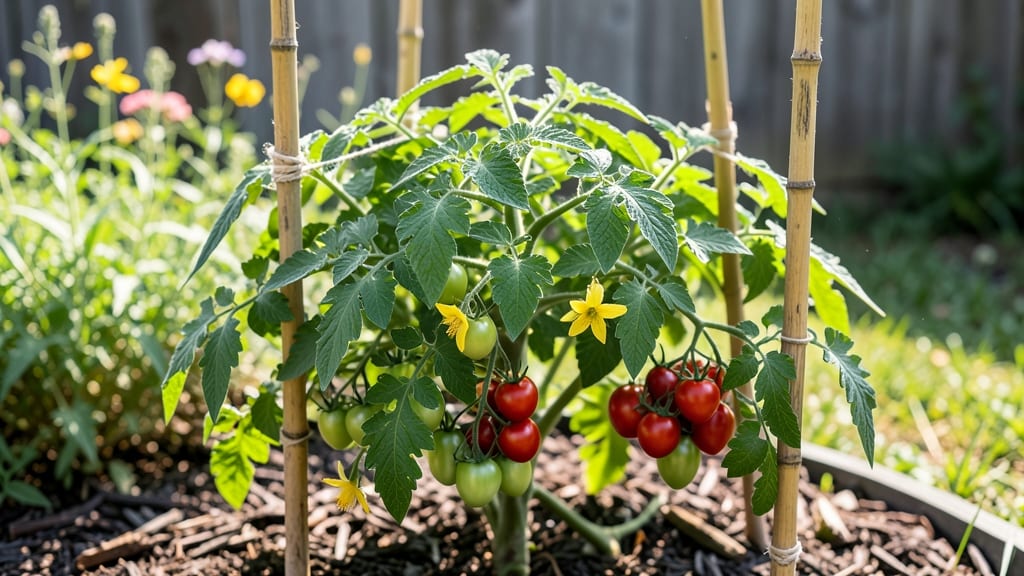
How tall do grape tomato plants grow? They typically reach between 2 and 6 feet, but some compact varieties stay under 3 feet—perfect for small gardens or containers.
If you’re dreaming of a bountiful grape tomato harvest but lack space for sprawling vines, you’ll love learning which compact varieties thrive under 3 feet—without sacrificing flavor or yield.
Most grape tomatoes are indeterminate, meaning they keep growing until frost, but dwarf types like 'Tiny Tim' or 'Sweet 100' max out at 2 to 3 feet, making them ideal for balconies or raised beds.
Below, I’ll break down how to choose the right variety, support their growth, and maximize your harvest—even in tight spaces.


Grape tomato plant height guide: compact varieties under 3 feet
If you’ve ever marveled at grape tomatoes but hesitated due to limited space, you’re in luck—many compact varieties stay neatly under 3 feet tall while delivering the same sweet, flavorful harvests.
These bush-type tomatoes are perfect for small gardens, balconies, or even large containers, making them ideal for urban gardeners or those with tight spaces. The key lies in choosing the right dwarf varieties and providing minimal support to keep them manageable.
Grape tomatoes naturally grow on indeterminate vines, which can sprawl up to 6 feet without control. However, by selecting determinate or semi-determinate varieties, you can enjoy compact growth that stays well-behaved. These varieties also tend to ripen all at once, making them easier to harvest in batches.
Whether you’re growing in a 5-gallon pot or a raised bed, these petite powerhouses prove that big flavor doesn’t require big space.
Below, I’ve compiled a height comparison of the most popular under-3-foot grape tomato varieties, including their growth habits, spacing needs, and the best support structures to maximize your harvest without sacrificing your garden’s real estate.
The Tiny Tim variety is a fan favorite for its ultra-compact size, rarely exceeding 3 feet even when left unpruned. This makes it ideal for container gardening or squeezing into tight garden beds. Pair it with a 3-foot tomato cage to provide stability without taking up extra space.
Similarly, the Sweet 100 variety is a determinate bush that stays under 3 feet and produces clusters of sweet tomatoes perfect for snacking.
For those who love the idea of trailing vines but lack vertical space, Tumbling Tom is a game-changer. This indeterminate variety grows 1–2 feet tall but trails beautifully in hanging baskets or along trellises.
It’s a fantastic option for balconies or patios, where you can let the vines spill over the edge for a stunning display. Just ensure the basket has drainage holes and is placed in a location with full sun exposure.
If you’re growing in small containers, the Micro Tom is the smallest of the bunch, often staying under 2 feet tall. This dwarf variety is perfect for 5-gallon buckets or even window boxes, making it ideal for apartment balconies or indoor gardening near a sunny window.
Its fast-maturing nature means you can enjoy harvests in as little as 50 days, giving you a quick reward for your efforts.
When selecting a support structure, always match it to the variety’s growth habit. For determinate varieties like Tiny Tim or Sweet 100, a sturdy cage or single stake will suffice. These plants tend to bush out rather than vine, so they don’t require extensive support.
In contrast, trailing varieties like Tumbling Tom need vertical trellises or hanging baskets to guide their growth and prevent the vines from sprawling across the ground.
One common mistake is overcrowding compact varieties, which can lead to poor air circulation and disease risks. Always follow the spacing guidelines in the table above to ensure each plant has room to thrive without competition.
For example, Micro Toms can be planted just 12 inches apart, while Sweet 1
How to maximize yield in small spaces: pruning and training tips
Even compact grape tomato varieties can sprawl if left unchecked, but with the right pruning and training techniques, you can keep vines under 3 feet tall while maximizing fruit production.
The key is early intervention—training vines as they grow ensures better air circulation, easier harvesting, and a tidier garden layout.
Start by choosing the right support structure for your space. Trellises, cages, or stakes all work, but their design directly impacts how much you can control vine height. For example, a 5-foot A-frame trellis lets you train vines vertically while keeping the base compact.
Pair this with regular pruning to redirect energy toward fruit production instead of excessive leafy growth.
🌱 Step-by-Step Training & Pruning Guide
- 1
- 2
- 3
- 4
- 5
For container gardening, opt for bushier varieties like 'Sweet 100' and use small cages or stakes. Place containers in full sun and water consistently—drought stress can stunt growth. If your vines still outgrow your space, prune aggressively in early spring to reset their size for the season.
Remember, pruning isn’t just about height control—it’s also about fruit quality. By removing excess foliage, you improve sunlight penetration and reduce humidity-related diseases like blight. This is especially critical for compact varieties, which rely on efficient energy use to produce flavorful tomatoes.
Pro tip: Use soft plant ties or velcro straps to secure vines to trellises—they’re gentler than wire and won’t damage stems as plants grow. And always prune with clean, sharp shears to avoid tearing tissue, which can invite pests and diseases.
With these techniques, you’ll keep your grape tomato plants under 3 feet while enjoying a bountiful harvest—even in the smallest of spaces. Happy gardening! 🌿✂️