
How To
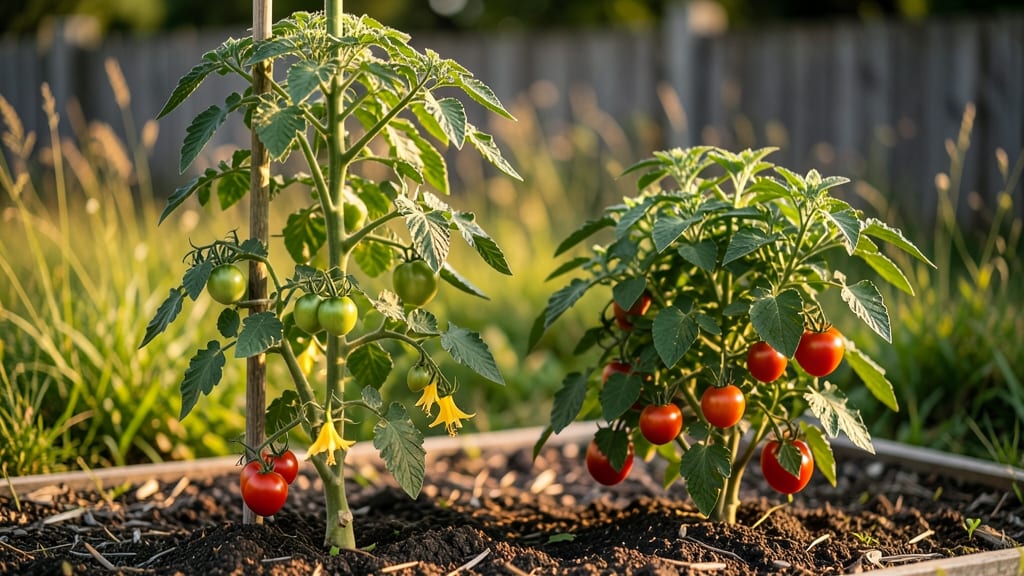
Tomato plants grow anywhere from 1 foot to over 10 feet tall, depending on the variety and how you train them 🍅—and that height makes all the difference in how you plan your garden.
If you’ve ever dreamed of growing your own tomatoes but worried about running out of vertical space, knowing the mature height of different varieties is your first step to success.
From compact dwarf tomatoes to towering indeterminate giants, the right choice can mean the difference between a thriving garden and a crowded mess.
Determinate varieties stay compact, rarely exceeding 4 feet, while indeterminate types can climb indefinitely if left unchecked—some even reach 12 feet with proper support.
That’s why choosing the right variety for your space isn’t just about flavor; it’s about how much room you’re willing to dedicate to staking, pruning, and training.
In this guide, I’ll break down the height ranges for popular varieties, share tips for managing growth, and help you pick the perfect tomato for your garden—whether you’ve got a tiny balcony or a sprawling backyard.


Tomato plant height by variety: determinate vs indeterminate growth habits
Understanding how tall your tomato plants will grow is essential for planning your garden layout and choosing the right support structures. Tomatoes generally fall into two main growth categories: determinate (bush-type) and indeterminate (vining-type).
These growth habits directly impact their mature height, spacing needs, and even how you'll harvest your fruit. Let's break down the key differences and explore popular varieties within each category to help you make informed decisions for your garden space.
Determinate tomatoes are the compact, self-supporting varieties that typically reach 3 to 5 feet at maturity. They produce fruit all at once, making them ideal for canning and sauces.
On the other hand, indeterminate tomatoes are the vining giants that can grow 6 to 10 feet tall or more, producing fruit continuously throughout the season. This distinction is crucial when planning your garden's vertical space and deciding whether to use cages, stakes, or trellises.
The height range of tomato plants can vary widely depending on the variety, growing conditions, and care practices.
For example, a 'Roma' tomato plant, a popular determinate variety, usually stays between 3 and 4 feet tall, while an 'Indeterminate Cherry' tomato like 'Sweet Million' can climb to 8 feet or taller if given proper support.
Knowing these differences will help you avoid overcrowding and ensure each plant gets the space it needs to thrive.
Here’s a quick comparison of how these two growth habits affect your garden planning. Determinate varieties are perfect for container gardening or small spaces, while indeterminate types require more vertical room and often benefit from pruning to manage their height and improve air circulation.
| Growth Habit | Height Range | Popular Varieties | Fruit Production | Best For |
|---|---|---|---|---|
| Determinate (Bush) | 3–5 ft | Roma, Celebrity, Bush Early Girl | All at once (1–2 weeks) | Containers, small gardens, canning |
| Indeterminate (Vining) | 6–10+ ft | Beefsteak, Cherry (Sweet 100), Brandywine | Continuous (all season) | Trellises, large gardens, fresh eating |
| Dwarf Varieties | 1–3 ft | Tiny Tim, Micro Tom, Patio Princess | All at once (small yield) | Balconies, windowsills, small pots |
If you're working with limited space, dwarf varieties are an excellent choice. These compact plants, like 'Tiny Tim' or 'Micro Tom', typically grow only 1 to 3 feet tall and are perfect for balconies, windowsills, or small containers.
They’re also great for beginners because they’re easier to manage and require less maintenance. However, keep in mind that their fruit yield will be smaller compared to their taller counterparts.
For larger gardens or those with vertical space to spare, indeterminate varieties like 'Beefsteak' or 'Brandywine' can be incredibly rewarding. These plants can grow 8 to 10 feet tall, producing large, flavorful fruits throughout the entire growing season.
To manage their height effectively, consider installing a trellis or sturdy stake when transplanting. This not only saves space but also improves air circulation, reducing the risk of disease.
Another factor to consider is the spacing requirements for each variety. Determinate tomatoes should be planted 18 to 24 inches apart, while indeterminate varieties need 24 to 36 inches of space between plants.
Proper spacing ensures that each plant gets enough sunlight and nutrients, which directly impacts their height and overall health. Overcrowding can lead to stunted growth, poor fruit production, and increased susceptibility to pests and diseases.
When selecting tomato varieties, think about your garden layout and how you plan to support your plants. For example, if you're using cages, opt for determinate varieties or smaller indeterminate types that won’t outgrow the structure.
If you prefer trellises or stakes, indeterminate varieties will thrive with their vertical growth habit. Always check the seed packet or plant tag for specific height and spacing recommendations to ensure you’re giving your tomatoes the best possible conditions to reach their full potential.
Finally, remember that pruning and training can also influence the height of your tomato plants. Indeterminate varieties, in particular, benefit from regular pruning to remove suckers (the small shoots that grow in the leaf axils) and encourage stronger, more compact growth.
This practice not only controls height but also improves fruit quality and yield. With the right care, even the tallest indeterminate tomatoes can be managed to fit neatly into your garden space.
By understanding the height ranges and growth habits of different tomato varieties, you’ll be well-equipped to plan your garden for maximum productivity and enjoyment. Whether you're a space-conscious urban gardener or have a sprawling backyard, there’s a tomato variety that’s perfect for you.
How to choose tomato varieties based on garden space and growth conditions
Choosing the right tomato variety depends on your garden’s available space and growth conditions.
Whether you have a 5-gallon container or a sprawling backyard, selecting the right type ensures healthy plants and bountiful harvests. Indeterminate varieties grow continuously and need support, while determinate types stay compact and bushy—perfect for small spaces.
First, assess your garden’s vertical and horizontal space. Tall indeterminate varieties like ‘Sungold’ or ‘Brandywine’ can reach 6-10 feet without pruning, requiring sturdy trellises or cages.
In contrast, determinate varieties like ‘Roma’ or ‘Celebrity’ max out at 3-4 feet, making them ideal for containers or small plots.
📌 Key Considerations:
- Container gardening? Opt for dwarf or patio varieties (1-3 feet tall).
- Large garden? Indeterminate types thrive with vertical support.
- Limited sunlight? Choose compact varieties that tolerate partial shade better.
- 🌱 Dwarf Varieties (1-3 ft): Perfect for containers or small spaces—examples include ‘Tiny Tim’ or ‘Patio Princess’.
- 🌿 Semi-Dwarf Varieties (3-4 ft): Great for small gardens or raised beds—try ‘Bush Early Girl’ or ‘Stupice’.
- 🌳 Indeterminate Varieties (6-10+ ft): Need trellises or cages—ideal for large gardens or vertical growing—think ‘Cherokee Purple’ or ‘Sweet Million’.
- 🪴 Container-Friendly Varieties: Look for ‘Tumbling Tom’ or ‘Micro Tom’—designed for 5-gallon pots with minimal pruning.
For indeterminate varieties, regular pruning is key to manage height and improve airflow. Remove suckers (side shoots) every 1-2 weeks to direct energy to fruit production. Use sturdy cages (5-6 feet tall) or trellises to support their weight—tomato plants can weigh 10+ pounds when laden with fruit!
If you’re short on space but love cherry tomatoes, consider ‘Tumbling Tom’—it grows 3-4 feet wide but only 2-3 feet tall, making it perfect for hanging baskets or window boxes.
For sauce tomatoes, ‘Roma’ (determinate) stays 3-4 feet tall, while ‘San Marzano’ (indeterminate) needs 6+ feet of support for optimal growth.
Don’t forget to match your variety to your climate. Heat-tolerant varieties like ‘Heatmaster’ or ‘Solar Fire’ thrive in hotter regions, while cool-season types like ‘Stupice’ handle shorter growing seasons better. Always check your last frost date and plant accordingly!
With the right variety and support, you’ll maximize your harvest—whether you’re growing in a tiny balcony pot or a sprawling backyard. Start small, experiment, and watch your tomatoes thrive! 🌱