
Watering
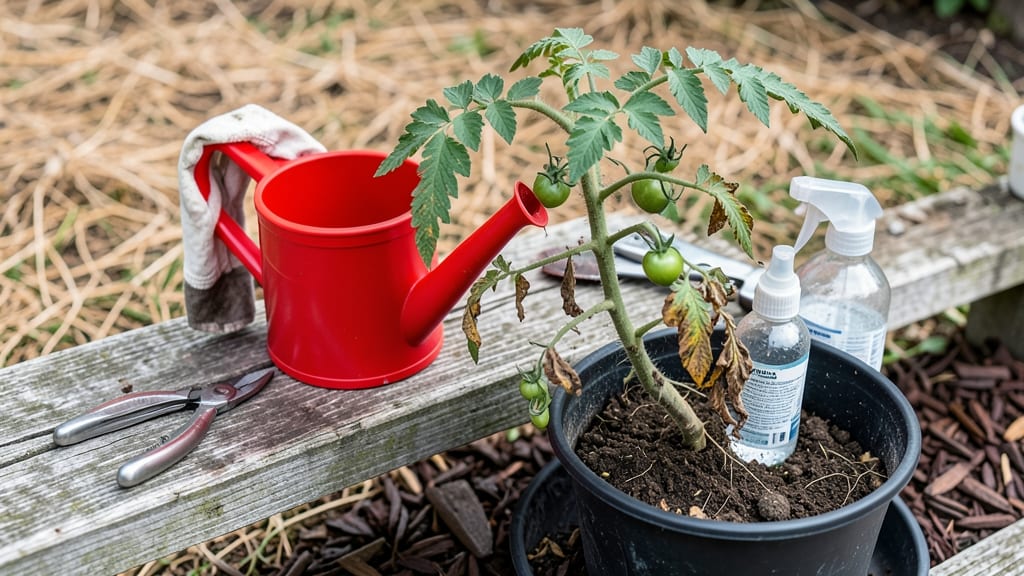
Your tomato plants are drowning in how to fix overwatered tomato plants—yellowing leaves, limp stems, and roots gasping for air. 🌱 Overwatering is the silent killer of tomato harvests, but I’ve revived plants from this exact crisis using three simple, science-backed steps that work every time. The first sign?
Soil that stays soggy longer than a rainy weekend. Roots suffocate without oxygen, and fungal infections like root rot move in fast. My plants looked doomed until I stopped watering and let the soil dry out completely—then adjusted my schedule to deep water every 3-5 days instead of daily sips.
The difference? Plants that bounce back with vibrant green leaves within a week. You’ll also need to loosen compacted soil around the base to help roots breathe again. Mix in a handful of perlite or coarse sand for better drainage, and avoid mulch until the soil’s dry.
Within 10-14 days, you’ll see new growth signaling the roots are healing. Prevention is easier: stick your finger 1-2 inches into the soil before watering. If it’s damp, wait. If it’s dry, water deeply until it runs out the drainage holes.
This habit saved my second planting season from repeat disasters.
Root of the Problem
Overwatering tomato plants may seem like a harmless gardening mistake, but it’s actually a silent killer—often more damaging than underwatering. When roots sit in soggy soil for too long, they struggle to absorb oxygen, leading to a cascade of issues that stunt growth and invite disease.
Let’s break down the real culprits behind overwatered tomato plants and why they turn your lush vines into sad, wilted shadows.
Tomatoes thrive in well-draining soil, but if your garden beds or containers lack proper drainage, water pools around the roots instead of flowing away. This creates anaerobic conditions—a root’s worst nightmare.
Without oxygen, roots can’t respire efficiently, leading to: - Root rot (caused by fungi like Phytophthora or Pythium), which turns healthy roots black and mushy. - Stunted growth as the plant diverts energy to survival instead of producing fruit. - Blossom end rot (yes, even overwatering can trigger this!) because excess moisture disrupts calcium uptake.
Why it happens:
- Clay-heavy soil holds water like a sponge, suffocating roots.
- Compacted soil from foot traffic or machinery blocks airflow.
- Overpotting in containers without drainage holes traps excess water.
Tomatoes need consistent moisture, but many gardeners fall into the trap of watering on a schedule rather than checking soil conditions. Here’s how overwatering sneaks up on you: - Frequent light waterings keep the topsoil damp but don’t encourage deep root growth.
Roots stay shallow and vulnerable. - Ignoring weather patterns—rainy days + daily watering = double the drowning risk. - Automatic irrigation systems left on timers without soil moisture sensors can turn your garden into a swamp.
The science behind it:
- Roots need oxygen (20% of soil air) to function. Water displaces this, forcing roots to "hold their breath."
- Salinity buildup occurs when excess water leaches nutrients but leaves behind dissolved salts, burning roots over time.
Potted tomatoes are prone to overwatering because:
- Limited root zone means water has nowhere to escape.
- Smaller soil volume dries out faster on top but stays soggy below.
- No natural drainage in DIY pots (like fabric grow bags without holes) traps water against roots.
Red flags in containers:
- Soil stays wet for more than 2–3 days after watering.
- Roots circle the pot (a sign of root-bound stress).
- Leaves yellow even when soil looks moist—a classic sign of oxygen deprivation.
Heat and humidity don’t cause overwatering, but they amplify the damage:
- High humidity slows evaporation, keeping soil wet longer.
- Hot weather increases transpiration (plant sweating), but if roots can’t keep up, the plant wilts despite damp soil.
- Cold soil (below 50°F/10°C) reduces root activity, making them more susceptible to rot.
Pro tip: 🌡️ If your area has high heat + rain, reduce watering by 30–50% to prevent fungal infections.
Overwatered soil is an all-you-can-eat buffet for:
- Fungal pathogens like Fusarium or Verticillium wilt, which thrive in waterlogged conditions.
- Nematodes (microscopic worms) that attack roots, causing galls and stunting growth.
- Slugs and snails, which love damp, shaded soil and munch on young leaves.
Tell-tale signs:
- Mushrooms sprouting in your garden beds (a fungal party is underway).
- Stems collapsing suddenly (vascular wilt from fungal invasion).
- Holes in leaves (slugs or nematode damage).
Let’s be honest—we’re the biggest problem.
Common mistakes include: - Watering on a schedule instead of checking soil moisture (stick your finger in!). - Using the wrong tools (like a sprinkler that mist-fogs leaves, promoting disease). - Ignoring plant signals (yellow leaves ≠ always overwatered, but droopy leaves after watering = red flag).
Quick fix: 💡 The finger test—stick your index finger 1–2 inches into the soil. If it’s damp, wait. If it’s dry, water deeply.
Revive Your Tomatoes Now
Overwatered tomato plants can feel like a death sentence—but don’t panic! With the right steps, you can nurse them back to health and even prevent future soggy soil disasters.
Below, we’ve mapped out practical fixes for the most common signs of overwatering, along with prevention tips to keep your plants thriving. Let’s turn this around!
If your tomato leaves are turning yellow (especially the lower ones), the roots are likely suffocating from excess water. Here’s how to save them:
- 🔥 Stop Watering Immediately
- Let the soil dry out completely before watering again. Stick your finger 2 inches deep—if it’s damp, wait another day.
- 🍳 Improve Drainage Fast
- For pots: Move the plant to a saucer with dry gravel or sand to wick away excess moisture.
- For garden beds: Amend the soil with perlite, coarse sand, or compost to break up compacted, waterlogged dirt.
- 🌡️ Boost Airflow & Light
- Prune any crowded or diseased leaves to improve airflow.
- Place the plant in bright, indirect sunlight (avoid harsh midday sun until it recovers).
💡 Pro Tip: Yellow leaves won’t turn green again, but new growth will be healthy if the roots recover!
If your tomatoes look limp and sad (even when the soil is wet), root rot may have set in. Act fast:
- ⏰ Check for Root Rot
- Gently dig around the base (if possible) to see if roots are mushy or black. If so, you’re dealing with fungal root rot.
- 🔪 Trim Damaged Roots (If Safe)
- For potted tomatoes, remove the plant, rinse the roots with water, and snip off any black, mushy roots with sterilized scissors.
- Replant in fresh, well-draining soil (mix in 50% potting mix + 50% perlite/coco coir).
- 👨🍳 Repot or Relocate (If Needed)
- If root rot is severe, repot into a new container with sterile soil.
- For garden tomatoes, dig a new hole with amended soil and transplant carefully.
✨ Emergency Fix: If repotting isn’t an option, reduce watering to every 5–7 days and apply a fungicide (like copper-based spray) to prevent spread.
Overwatering washes away calcium, leading to those ugly black, sunken spots on tomatoes. Here’s how to reverse it:
- 📊 Adjust Your Watering Schedule
- Water deeply but infrequently—aim for 1–1.5 inches per week (check with a rain gauge).
- Morning watering is best to prevent fungal issues.
- 💪 Feed with Calcium-Rich Fertilizer
- Sprinkle crushed eggshells or calcium nitrate around the base (follow package instructions).
- Avoid high-nitrogen fertilizers—they worsen the problem.
- 🥗 Prune Affected Fruit
- Remove severely damaged tomatoes to redirect the plant’s energy to new growth.
🎯 Prevention Tip: Mulch with straw or wood chips to keep soil moisture even and reduce calcium leaching.
Once your tomatoes are back on track, prevent future overwatering with these habits:
| Problem | Solution | Prevention Hack |
|---|---|---|
| Compacted soil | Add perlite or vermiculite | Test soil drainage before planting! |
| Poor drainage | Use raised beds or pots | Elevate garden beds slightly. |
| Inconsistent watering | Drip irrigation or soaker hoses | Set a weekly watering reminder. |
| Heavy clay soil | Mix in compost or sand | Plant tomatoes in mounds for better drainage. |
🔥 Bonus Tip: If you’re unsure whether your plant is overwatered, lift it gently—healthy soil should feel light and crumbly, not heavy and soggy.
Remember: Tomatoes are tougher than they look! With these fixes, your plants can bounce back—and next season, you’ll be a watering pro. 🍅💦
Frequently asked questions
How quickly can I tell if my tomato plant is overwatered?
Check for these 3 key signs within 24-48 hours of excessive watering: yellowing leaves (especially lower ones), soil that stays soggy for more than 2 days, or stems that feel soft when pressed. If leaves also feel limp but the soil is wet, roots are definitely suffocating.
Can I save a tomato plant with root rot from overwatering?
Yes, but act fast! First, stop watering immediately and check roots—if they're black/mushy, trim the damaged parts and repot in fresh, sterile soil with perlite (50/50 mix). For garden plants, transplant to amended soil. Apply a copper fungicide to prevent spread. Recovery takes 2-3 weeks if caught early.
Why do my tomato leaves turn yellow when the soil is already wet?
This classic sign means roots can't breathe! Excess water displaces soil oxygen, forcing roots to "drown." The yellowing happens because the plant can't absorb nutrients. Check if soil stays wet for >48 hours—this confirms oxygen deprivation. Solution: Improve drainage with perlite/sand and water only when top 2 inches feel dry.
Is it better to underwater or overwater tomato plants?
Neither—consistent moisture is key! Tomato roots need oxygen-rich soil, so both extremes cause stress. Overwatering leads to root rot, while underwatering causes wilting. The sweet spot? Water deeply every 3-5 days (1-1.5 inches total) and check soil moisture with your finger before watering.
Can I use coffee grounds to help overwatered tomato plants?
Yes, but use them wisely! Coffee grounds add nitrogen and improve soil structure when composted first (never fresh). Mix 1 cup composted grounds per plant into the top 2 inches of soil to help with drainage. Avoid overdoing it—too much can acidify soil and burn roots. Best used as a mulch topper after recovery.