
Pests
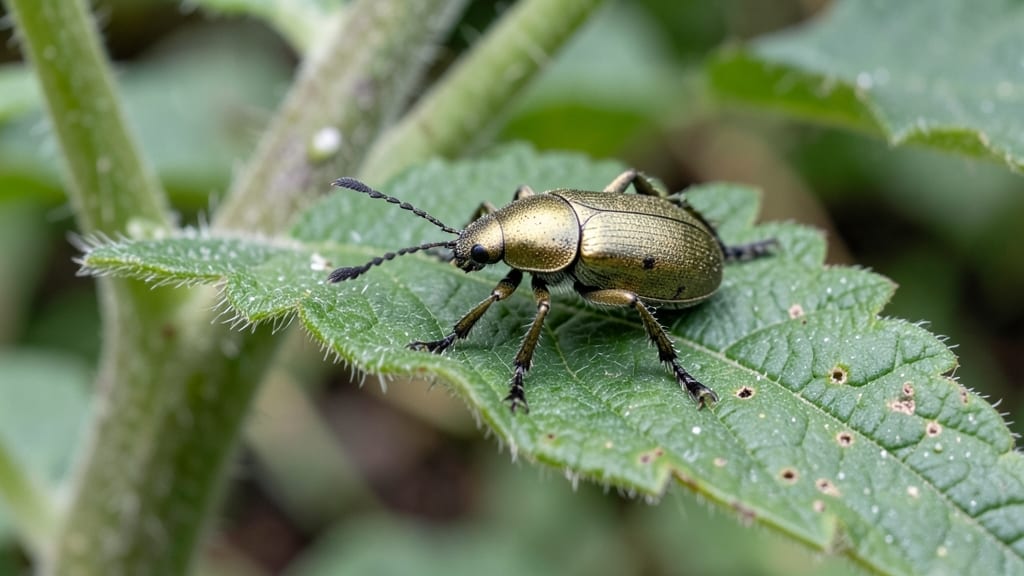
Flea beetles can turn your tomato plants into Swiss cheese overnight—tiny holes, stunted growth, and wilting leaves. 🌱 I’ve battled them for years, and these organic fixes stop the damage faster than synthetic sprays ever did. The key is acting fast and combining multiple methods for real results.
First, identify the pests: tiny black specks jumping away when you touch the leaves. Their damage looks like pepper spray—tiny holes all over. You’ll need row covers, neem oil, or diatomaceous earth to break their cycle. I’ve seen plants recover within 3-5 days of consistent treatment.
The real game-changer? Companion planting with basil or nasturtiums. Flea beetles avoid these plants, and they’ll deter future infestations while your tomatoes rebound. Plus, you’ll save money and skip the harsh chemicals. Works for container tomatoes, raised beds, and in-ground gardens—no matter how bad the damage looks right now.
Let’s turn those tattered leaves into lush, productive plants again.
Root Causes of Flea Beetle Infestations
Flea beetles don’t just choose your tomato plants—they’re drawn by a mix of environmental, biological, and agricultural factors. Understanding these triggers is the first step to outsmarting them. Let’s break down the why behind their unwelcome visits.
Flea beetles are like tiny, jumping pests with a taste for trouble—and your tomato plants might be serving up an all-you-can-eat buffet. Here’s what makes them irresistible:
- Young, Tender Leaves: New growth is their favorite snack because it’s soft and nutrient-rich.
Beetles target seedlings and young plants first, creating lace-like holes that stunt growth. - Stress Signals: Plants under stress (from drought, poor soil, or overcrowding) release volatile organic compounds (VOCs) that act like a dinner bell to pests.
Think of it as a distress flare for flea beetles. - Scent & Chemistry: Tomato plants emit terpenes and aldehydes—natural chemicals that attract flea beetles. While these compounds help the plant, they also send a “free food” message to beetles.
Pro Tip: 💡 If your tomatoes are thriving too well (lush, fast growth), they’re more likely to catch beetle attention. Balance is key!
Flea beetles are cold-weather fugitives—they hibernate in leaf litter or soil during winter and wake up when temperatures rise. Here’s how climate plays into their attack:
- Spring Warmth (50–70°F): As soil warms, beetles emerge to feed.
This is peak hatch season for their larvae, which then chew on roots. - Drought Stress: Dry conditions weaken plants, making them more susceptible to damage and less able to bounce back from beetle bites. - Sun Exposure: Beetles love south-facing or exposed plants because the heat speeds up their metabolism, increasing their appetite.
Fact Check: 🌡️ Studies show flea beetle activity doubles when daytime temps exceed 65°F—so early spring planting can be risky!
Your garden might be an unintentional flea beetle hotel.
These pests thrive in environments with: - Debris & Mulch: Leaf litter, old plant stems, and thick mulch provide hiding spots for overwintering adults and eggs. - Weedy Areas: Flea beetles often feed on weeds (like nightshade or purslane) before moving to tomatoes.
A messy garden = more beetle real estate. - Monoculture Planting: Growing only tomatoes in a row creates a beetle buffet. Diversity disrupts their feeding patterns.
Quick Fix: 🧹 Clear garden beds of debris in fall and spring to starve out hiding beetles.
In a healthy ecosystem, flea beetles have natural enemies—but human interference (like pesticides) can throw the balance off.
Key disruptors: - Loss of Beneficial Insects: Ladybugs, lacewings, and parasitic wasps eat flea beetles, but chemical sprays kill them too. - Bird & Amphibian Decline: Birds and toads dine on adult beetles, but habitat loss reduces their numbers. - Soil Health: Poor soil = weak plants = easier targets. Fungal pathogens (like Beauveria bassiana) can infect beetles, but only if the ecosystem supports them.
Eco Hack: ✨ Plant dill, fennel, or marigolds nearby—they attract predatory wasps that hunt flea beetles.
Timing and placement can turn your tomato patch into a beetle magnet.
Common blunders: - Early Spring Planting: Beetles emerge before your seedlings are established, giving them a head start. - Low-lying Areas: Beetles prefer moist, shaded spots where they can hide during the day. - Near Wooded Edges: Forests and brush piles are breeding grounds—planting tomatoes too close means beetles are already on your doorstep.
Smart Move: 🎯 Delay planting until soil is consistently 60°F+ and choose slightly elevated beds to deter beetles.
Flea beetles don’t attack randomly—they’re responding to cues your garden might be sending. By addressing plant health, climate, hygiene, and ecosystem balance, you can remove the “welcome mat” and make your tomatoes less appealing (and more resilient).
Next up: how to flip the script and reclaim your harvest! 🍅💥
Quick Fixes for Flea Beetle Havoc
Flea beetles may be tiny, but their damage can leave your tomato plants looking like Swiss cheese—🥔🐞 and nobody wants that! The good news? You don’t need harsh chemicals to reclaim your garden. Below, we break down practical, organic solutions tailored to the root causes of infestations.
From immediate relief to long-term prevention, these fixes will help your tomatoes thrive without turning your garden into a beetle buffet.
Flea beetles are drawn to young, tender tomato plants like a buffet to a starving crowd. Block their access and disrupt their feeding cycle with these hands-on tactics.
- 🍳 Row Covers to the Rescue Lightweight floating row covers (made of breathable fabric) create a physical shield that beetles can’t penetrate. Install them early—as soon as you transplant seedlings—to prevent damage.
Leave them on for 4–6 weeks or until plants are sturdy enough to handle light beetle pressure. Pro Tip: Secure edges with soil or bricks to avoid gaps. If using hoop tunnels, add a sticky trap (like a yellow card coated in petroleum jelly) inside to catch stragglers. 🎯
- 👨🍳 DIY Collar Protection for Seedlings For young plants, cut the tops off plastic bottles (like 2-liter soda bottles) and slip them over seedlings, burying the base 1–2 inches into the soil.
Beetles will bounce off the smooth plastic instead of munching on leaves. Pro Tip: Remove collars once plants are 3–4 inches tall and beetles are less aggressive (usually after 3–4 weeks).
- 🥘 Sticky Traps & Beer Basins Flea beetles are drawn to bright colors and fermenting scents. Place yellow sticky traps near plants to intercept them mid-flight.
For a low-tech trap, fill a shallow dish with beer or apple cider vinegar—beetles will drown in it within hours. Pro Tip: Refresh traps every 2–3 days for maximum effectiveness. 🌡️
Chemical sprays can harm beneficial insects and leave residues on your tomatoes. Instead, leverage nature’s pest-deterrents with these safe, effective sprays:
- 🌿 Neem Oil Spray (Knockout Punch) Neem oil disrupts beetle feeding and reproduction while being organic and tomato-safe.
Mix: - 1 tbsp neem oil - 1 tsp mild soap (as an emulsifier) - 1 quart water Spray early morning or late evening (avoid direct sun to prevent leaf burn).
Reapply every 5–7 days until beetles retreat. Pro Tip: Add a few drops of garlic or peppermint oil (1 tsp per quart) to boost repellent power. ✨
- 🥬 Spicy Pepper Spray (Hot for Beetles!) Flea beetles hate capsaicin, the compound that makes peppers hot.
Blend: - 2–3 fresh hot peppers (like cayenne or jalapeño) - 1 quart water - 1 tsp dish soap Strain, spray on plants, and reapply after rain. Warning: Wear gloves—this stuff burns! Pro Tip: Store in a spray bottle and keep refrigerated for up to 1 week. 🔥
- 🍃 Companion Planting (Confuse the Enemy) Flea beetles avoid strong-smelling herbs and flowers.
Plant these near your tomatoes: - Basil (repels beetles and improves tomato flavor!) - Marigolds (release a scent beetles dislike) - Nasturtiums (act as a "trap crop" to lure beetles away) Pro Tip: Interplant radishes or alyssum—both deter beetles and attract pollinators. 🌼
The best defense is a healthy, beetle-proof garden. Implement these preventive strategies to stop future infestations before they start.
- 🌱 Plant Timing & Variety Matters Flea beetles target young, vulnerable seedlings.
To outsmart them: - Start tomatoes indoors and transplant after the last frost when plants are 3–4 inches tall. - Choose larger-leafed varieties (like ‘Big Beef’ or ‘Brandywine’)—beetles prefer small, delicate leaves. - Succession plant in 2-week intervals so not all tomatoes are vulnerable at once.
- 🌡️ Soil Health = Stronger Plants Healthy tomatoes resist damage better.
Boost soil with: - Compost or worm castings (rich in nutrients) - Mycorrhizal fungi (helps roots absorb water/nutrients faster) - Balanced fertilizer (high in phosphorus for root growth) Pro Tip: Mulch heavily with straw or grass clippings to suppress weeds (weeds attract beetles!). 💡
- 🎯 Clean Up & Rotate Crops Flea beetles overwinter in garden debris.
After harvest: - Remove all plant debris and till soil to disrupt egg-laying sites. - Rotate tomato families (nightshades like peppers/eggplants) to starve out beetles—they can’t adapt to sudden location changes. - Solarize soil in late summer: Cover beds with clear plastic for 4–6 weeks to bake out pests.
If beetles still won’t quit, consider these last-resort methods (use sparingly):
- 🐞 Beneficial Nematodes (Microscopic Allies) Tiny, non-toxic nematodes (Steinernema carpocapsae) hunt flea beetle larvae in the soil. Apply early morning or evening by: 1. Mixing 1–2 lbs of nematodes with 1 gallon of water.
- Watering soil thoroughly first (they need moisture to move).
- Applying the mix and watering again to help them penetrate. Pro Tip: Reapply every 4–6 weeks during beetle season. 🔍
- 💦 Diatomaceous Earth (DE) Dust Food-grade DE is a fine powder that dehydrates beetles on contact. Sprinkle lightly:
- Around plant bases
- On lower leaves (where beetles hide) Caution: Reapply after rain and avoid overusing—it can harm beneficial insects. 🌧️
Final Reminder: Consistency is key! Flea beetles are persistent, but combining barriers, repellents, and prevention will give your tomatoes the fighting chance they deserve. 🍅💪 Happy gardening!
Frequently asked questions
How do I know if my tomato plants have flea beetles?
Look for tiny shotgun-like holes in leaves (about 1/16-inch wide) and check for tiny black specks jumping away when you touch the plants. Young seedlings often show the most damage, with leaves looking like Swiss cheese. Flea beetles are most active in early morning or late evening.
Will flea beetles kill my tomato plants?
While they won't kill mature plants, severe infestations can stunt growth and reduce yields by 30-50% if left unchecked. Young seedlings are most vulnerable—they can be completely defoliated in 2-3 days. The key is early intervention with row covers or sprays before damage becomes severe.
Can I use homemade sprays on tomato plants?
Yes! Try neem oil spray (mix 1 tbsp neem oil + 1 tsp soap + 1 quart water) or pepper spray (blend 2 hot peppers + 1 quart water + 1 tsp soap). Both are safe when used properly. Always apply early morning or evening to avoid leaf burn, and reapply after rain.
How long do I need to keep row covers on my plants?
Use row covers for 4-6 weeks after transplanting, or until plants are 3-4 inches tall with sturdy stems. Remove them when flowers appear to allow pollination. For container tomatoes, lightweight fabric works well—just secure edges tightly to prevent beetles from crawling underneath.
Are there any plants that repel flea beetles naturally?
Plant basil, marigolds, or nasturtiums near your tomatoes—they confuse beetles with their strong scents. Basil even improves tomato flavor while acting as a natural deterrent. For extra protection, interplant with radishes or alyssum, which attract beneficial insects that prey on flea beetles.