
Plants
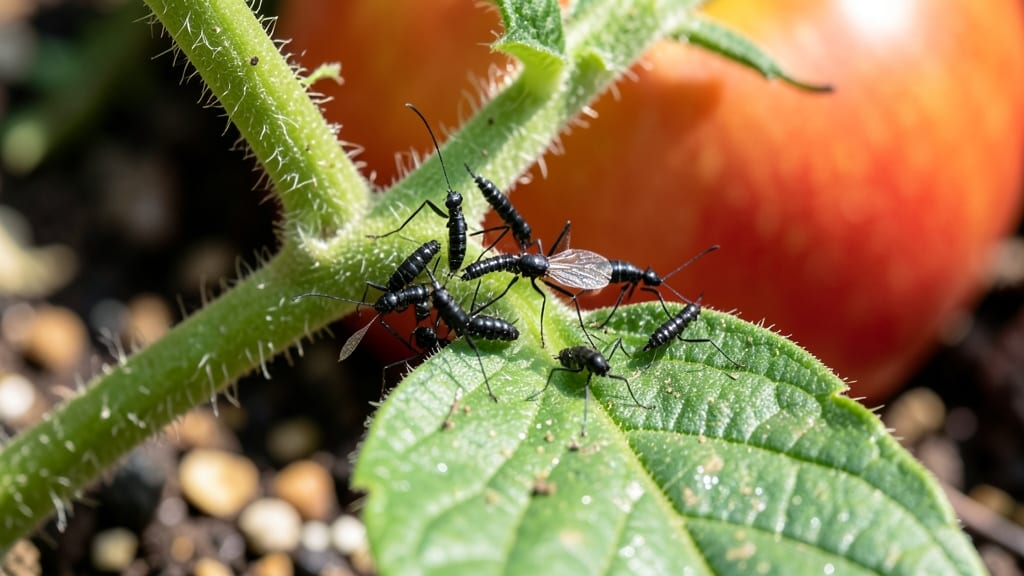
Tiny black insects on tomato plants can turn your harvest from thriving to tragic in days. 🌱 I’ve watched my prized heirlooms go from lush to skeletonized by these stealthy invaders—usually flea beetles or fungus gnats—and I’ll show you how to spot them before they strike.
First, check the damage: tiny holes in leaves or a fine webbing mean flea beetles, while damp soil and weak seedlings point to fungus gnats. Both thrive in hot, dry conditions, so shade cloth and consistent watering disrupt their life cycles.
The key is acting fast—once they’re established, they multiply like weeds. You’ll reclaim your plants with simple organic fixes: neem oil for beetles, yellow sticky traps for gnats, and a 3-inch layer of mulch to block eggs.
Within a week, you’ll see new growth pushing through, and your tomatoes will rebound like nothing happened. Prevention is easier than cleanup: rotate crops, use row covers, and plant basil nearby—its scent confuses beetles. These methods work for peppers and eggplants too, so you’re covered for the whole garden.
Root Causes Of Tiny Black Invaders
Discovering tiny black insects crawling on your tomato plants can feel like a nightmare—especially when you’ve poured so much care into your garden. 😬 But before you panic, understanding why these pests show up is the first step to kicking them out for good.
These uninvited guests don’t just appear randomly; they’re drawn to specific conditions in your garden. Let’s break down the most common reasons your tomato plants have become a buffet for these critters.
Tomato plants that are overcrowded or struggling with stress—whether from poor soil, lack of water, or disease—become prime targets for tiny black insects like aphids, thrips, or fungus gnats. Here’s why:
- Weakened defenses: Healthy plants produce natural chemicals that repel pests, but stressed plants can’t fight back as effectively.
- Moisture buildup: Overwatering or poor drainage creates damp conditions, which attract fungus gnats and other moisture-loving insects.
- Nutrient deficiencies: Plants lacking nitrogen, phosphorus, or potassium are more vulnerable to infestations because they’re already struggling to thrive.
Actionable fix: Space your tomato plants properly (18–24 inches apart) and ensure they get consistent watering—deep but infrequent—to avoid soggy roots. A balanced fertilizer can also boost their resilience.
Leaves, mulch, and plant debris act like hiding spots and breeding grounds for tiny black insects. If your garden looks like a cluttered attic, pests will move in—fast. Here’s how it happens:
- Shelter for eggs: Many insects, like aphids, lay eggs in crevices or under fallen leaves, waiting for the perfect moment to hatch.
- Decaying organic matter: Rotting plant material attracts fungus gnats and other pests that feed on decomposing material.
- Spread of infestations: Infested debris can carry pests to nearby healthy plants, turning a small problem into a full-blown outbreak.
Actionable fix: Keep your garden tidy! Remove fallen leaves, weeds, and old plant debris regularly. Use straw or clean mulch instead of letting organic matter pile up.
Tiny black insects thrive in warm, humid environments—think of them as the tropical vacationers of the bug world. 🌴 If your garden is a cozy, moist paradise, you’re basically rolling out the welcome mat. Here’s the science:
- Faster reproduction: Warmth speeds up the life cycle of insects like thrips and whiteflies, allowing them to multiply rapidly.
- Higher humidity = more moisture: Many pests, including fungus gnats, need moist soil to lay eggs and survive.
- Weaker plant resistance: Heat stress can weaken tomato plants, making them easier targets for pests.
Actionable fix: Improve airflow around your plants with proper spacing and pruning. If humidity is an issue, consider using a fan to circulate air or watering in the early morning so foliage dries quickly.
Tomato plants aren’t just food—they’re like an all-you-can-eat buffet for certain insects. Here’s what makes them so appealing:
- Sap-rich leaves: Aphids and other sap-sucking insects are drawn to the sweet, nutrient-filled sap of tomato plants.
- Flowering stages: When tomatoes bloom, they release scents that attract pollinators—but also pests like thrips and whiteflies.
- Young, tender growth: New shoots and leaves are softer and more vulnerable, making them easy pickings for hungry insects.
Actionable fix: Regularly inspect new growth and remove heavily infested leaves. Using neem oil or insecticidal soap can deter sap-sucking pests without harming your plants.
Now that you know why these tiny black invaders are crashing your tomato party, you’re one step closer to evicting them for good. The next step? Learning how to identify and eliminate them fast—so your plants can thrive without unwanted guests!
Quick Fixes for Tiny Plant Invaders
Once you’ve identified those pesky tiny black insects wreaking havoc on your tomato plants, it’s time to act fast! These critters—whether aphids, fungus gnats, or thrips—can weaken your plants if left unchecked.
The good news? You don’t need harsh chemicals to tackle them. Below are targeted, eco-friendly solutions tailored to the most common culprits, plus prevention tips to keep your tomato harvest thriving.
Aphids cluster on undersides of leaves, leaving sticky residue (honeydew) and stunted growth. Act now to stop their spread!
🍳 Natural Sprays (Safe & Effective)
- Soapy Water Blast 🧼 Mix 1 tsp mild dish soap + 1 quart water in a spray bottle. Dab or spray directly on aphids (avoid oversaturating leaves).
Repeat every 3–4 days until gone. Pro tip: Use neem oil soap (1 tsp neem oil + 1 tsp soap + 1 quart water) for extra potency.
- Homemade Garlic Pepper Spray 🧄🔥 Blend 3 garlic cloves + 1 tsp cayenne pepper + 1 quart water. Strain, add 1 tsp soap, and spray on affected areas. Aphids hate the smell—and it’s safe for edible plants!
👨🍳 Manual Removal (For Small Infestations)
- Knock ‘Em Off 🪑 Use a strong stream of water from a hose to dislodge aphids.
Do this in the early morning so plants dry quickly (prevents fungal issues). - Ladybugs to the Rescue 🐞 Release beneficial ladybugs (available at garden centers) or attract them by planting dill, fennel, or marigolds nearby.
🌡️ Prevention for Next Season
- Interplant with Herbs 🌿 Aphids avoid basil, mint, and oregano. Place these around tomato plants as a natural deterrent.
- Encourage Predators 🐛 Let lacewings, parasitic wasps, and birds thrive by avoiding pesticides.
Add a small water source (like a shallow dish with pebbles) to attract them.
These larvae munch on tomato roots, causing wilting or yellowing leaves. Adults swarm around soil—here’s how to smother them fast.
🔪 Soil Treatment (Kill Larvae)
- Yellow Sticky Traps 🎯 Place yellow cards coated with petroleum jelly near plants to catch adults. Replace weekly.
- Diatomaceous Earth (DE) Barrier ✨ Sprinkle food-grade DE lightly on soil surface (avoid overdoing—it can harm beneficial insects).
Reapply after watering. - Hydrogen Peroxide Soak 💦 Mix 3% hydrogen peroxide + water (1:4 ratio) and water the soil. This oxygenates roots while killing larvae. Repeat every 5–7 days.
⏰ Prevention: Dry Soil = No Larvae
- Let Soil Dry Between Waterings 💧 Fungus gnats love moist soil. Water only when the top inch is dry, and use drip irrigation (not overhead watering).
- Cinnamon Dust 🌰 Sprinkle a thin layer of cinnamon on soil.
It repels adults and inhibits fungal growth.
Thrips leave silver streaks on leaves and transmit viruses. They’re sneaky—act quickly to prevent spread.
🍳 Spray Solutions (Knock ‘Em Back)
- Neem Oil Mix 🌿 Combine 1 tbsp neem oil + 1 tsp soap + 1 quart water. Spray both sides of leaves every 4–5 days until thrips disappear.
- Blue Sticky Traps 🔵 Thrips are attracted to blue.
Hang traps near plants to monitor and reduce populations.
🌡️ Cultural Controls (Break Their Cycle)
- Remove Infested Leaves 🗑️ Prune and dispose of heavily damaged leaves in a sealed bag (don’t compost!).
- Reflective Mulch 🌈 Use aluminum foil or silver plastic mulch around plants. Thrips are confused by the reflection and avoid laying eggs.
💡 Prevention Tip
- Crop Rotation 🌱 Thrips overwinter in soil. Rotate tomato plants to a new location each year to break their life cycle.
- Inspect Regularly 🔍 Check undersides of leaves, stems, and soil weekly. Early detection = easier fixes!
- Avoid Over-Fertilizing 🚫🌱 Soft, new growth attracts pests. Use a balanced fertilizer (10-10-10) and follow package instructions.
- Prune for Airflow 🌬️ Thin out crowded foliage to reduce humidity (pests thrive in damp conditions).
- Companion Planting 🌿 Nasturtiums, marigolds, and basil repel multiple pests naturally.
Remember: Consistency is key! Most pests take 2–3 weeks to fully eradicate with natural methods. Stay vigilant, and your tomato plants will bounce back stronger than ever. 🍅💪
Frequently asked questions
Are those tiny black specks actually insects or just dirt?
If they're moving when you shake the plant or leave tiny holes in leaves, they're definitely insects—not just dirt. Flea beetles jump like popcorn kernels, while fungus gnat adults look like tiny black gnats hovering near soil. Grab a magnifying glass for a closer look at their legs and wings.
Will my tomatoes still be safe to eat if these insects are on the plants?
Most tiny black insects like aphids or fungus gnats don't directly contaminate fruit, but some (like thrips) can transmit viruses. For peace of mind, harvest tomatoes thoroughly and wash them well before eating. If you see heavy infestations, focus on treating the plants first before consuming new growth.
How long does it take for homemade sprays to work on these pests?
Most natural sprays like neem oil or soapy water show results within 3-5 days of consistent application. For severe infestations, you may need 2-3 weeks of daily treatments. The key is persistence—pests can rebound if you stop too soon after seeing initial improvement.
Can I use the same treatments for tiny black insects on other vegetables?
The same organic methods work for peppers, eggplants, and even herbs. Just adjust quantities—delicate plants like basil need diluted solutions. Always test sprays on a small leaf area first to check for sensitivity, especially with strong concoctions like garlic pepper spray.
What's the fastest way to tell if my plants have fungus gnats vs. flea beetles?
Check the damage: fungus gnats cause wilting or yellowing leaves (they attack roots), while flea beetles create tiny shot-like holes in leaf edges. For confirmation, place a yellow sticky trap near the soil—gnats will land on it, but beetles prefer leaves. The adult gnats look like tiny black mosquitoes.