
How To
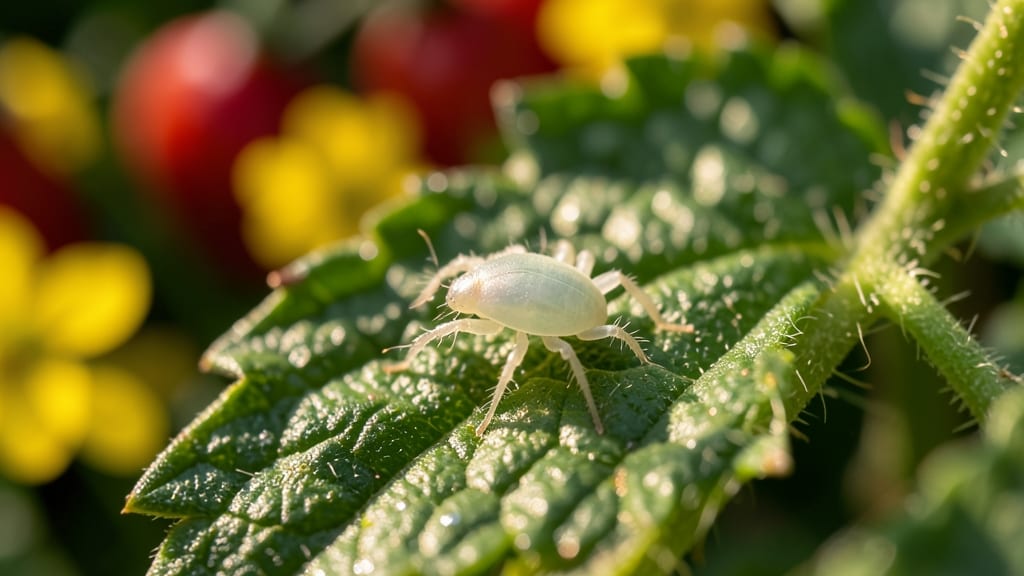
Your tomato plants are turning yellow and speckled with tiny webs—classic spider mite damage. 🕷️🌿 I’ve battled these pests for years, and this neem oil blend spray stops them in their tracks within 3-5 days of treatment. The key?
Catching them early and hitting them with the right mix of natural oils and soaps. Spider mites thrive in hot, dry conditions, sucking sap and leaving behind a fine webbing that weakens plants. By the time you see the damage, they’ve already multiplied—so act fast.
A single spray won’t always do it; you’ll need 2-3 applications every 5-7 days to break their life cycle completely. What you’ll end up with is vibrant green leaves and plump tomatoes, not the stunted, spotted mess these pests create.
The spray works on other garden plants too, making it a versatile, fast-acting solution for any infestation. Confession: I used to waste time on overcomplicated remedies. This method is simple, effective, and ready in under 10 minutes—no fancy equipment needed. Let’s get those tomatoes back to their best.
Root Causes of Tomato Spider Mites
Spider mites don’t just randomly attack your tomato plants—they thrive because of specific conditions that make your garden a five-star hotel for these tiny pests. Understanding why they show up is the first step to kicking them out for good.
Let’s break down the science behind their infestations, so you can address the real issues at play.
Spider mites are desert-loving arachnids—they adore hot, dry environments where humidity drops below 40%. Here’s why your tomato plants become their buffet:
- Rapid Reproduction: Heat accelerates their life cycle. A single female can lay 50–100 eggs in just a few days under ideal conditions (80°F+).
That’s why a sudden heatwave can turn a few mites into a full-blown invasion overnight. - Thinner Leaf Surfaces: High temperatures cause tomato leaves to lose moisture, becoming drier and more brittle.
Spider mites love this because it’s easier for them to pierce cells and suck out sap. - Reduced Natural Predators: Many beneficial insects (like ladybugs or lacewings) slow down or die in extreme heat, leaving your plants defenseless.
Actionable Insight: If your area hits consistent 90°F+ days, mites will strike. Mulch heavily to retain soil moisture and water deeply in the morning to boost humidity around leaves.
Watering wrong is like rolling out the welcome mat for spider mites. Here’s how:
- Underwatering: Tomato plants stressed by drought produce less sap, but spider mites detect chemical signals from struggling plants and flock to them. Weakened foliage is an all-you-can-eat buffet. - Overhead Watering: Wet leaves that don’t dry quickly create sticky residue from minerals in hard water.
This residue attracts mites like honey attracts bears. - Inconsistent Moisture: Mites thrive in fluctuating conditions. If you go from soaking the soil one day to letting it dry out the next, you’re signaling to them: “Free real estate here!”
Actionable Insight: Use drip irrigation or soaker hoses to water at the base of the plant, and keep soil consistently moist (not soggy). Early morning watering prevents fungal issues and deters mites.
Healthy tomato plants have thick, waxy leaves that repel mites. But when they’re stressed, they become prime targets:
- Over-Fertilization (Especially Nitrogen): Too much nitrogen leads to lush, soft growth—a spider mite’s dream. They prefer tender, fast-growing leaves over tough, mature ones. - Pruning Gone Wrong: If you over-prune or remove too many leaves, you reduce the plant’s ability to photosynthesize efficiently.
Stressed plants emit volatile organic compounds (VOCs) that mites can smell from yards away. - Pests Already Present: If aphids, whiteflies, or thrips are already feasting on your tomatoes, they damage leaves, creating entry points for spider mites to move in.
Actionable Insight: Balance your fertilizer (use a low-nitrogen, high-phosphorus blend for flowering/fruiting stages) and avoid aggressive pruning. Let plants self-shade slightly—they’ll develop thicker leaves naturally.
Spider mites are not the strongest fighters—they’re outnumbered by nature’s pest control. When their predators vanish, they take over:
- Pesticide Overuse: Broad-spectrum chemicals (like neonicotinoids or pyrethroids) kill ladybugs, lacewings, and predatory mites (Phytoseiulus persimilis) that keep spider mites in check. - Monoculture Gardening: Planting only tomatoes (or other susceptible crops) in a row starves beneficial insects of diverse food sources.
Without variety, predators move on to easier gardens. - Urban or Isolated Gardens: If you’re in a city or have no nearby wildflowers/weeds, predator populations can’t establish themselves.
Actionable Insight: Plant companion crops like basil, marigolds, or dill to attract predators. Reduce chemical sprays and introduce beneficial nematodes (Steinernema feltiae) to the soil.
Stagnant air = spider mite paradise. Here’s why:
- Humidity Traps: When air doesn’t move, condensation builds on leaves, creating microclimates where mites hide and multiply undetected.
- Fungal Hitchhikers: Poor airflow often means powdery mildew or early blight, which weakens plants and makes them more susceptible to mite attacks.
- Shaded or Dense Planting: Mites avoid direct sunlight—they prefer dappled shade or crowded foliage where they can web up without drying out.
Actionable Insight: Space tomato plants 18–24 inches apart and prune lower leaves to improve airflow. If growing in containers, choose pots with drainage holes and rotate them weekly for even sun exposure.
Tomatoes, like humans, have immune systems. When theirs falters, mites exploit the opportunity:
- Nutrient Deficiencies: Lack of silica, calcium, or potassium makes leaves thinner and more vulnerable to punctures.
- Disease Pressure: Plants battling verticillium wilt or bacterial spot are too busy surviving to fend off mites.
- Transplanted Stress: Young tomato starts shocked by repotting or transplanting have compromised defenses for weeks.
Actionable Insight: Boost plant resilience with compost tea or seaweed extract (rich in immune-boosting compounds). Rotate crops annually to prevent soil-borne diseases from weakening new plants.
Spider mites rarely strike alone—they’re usually secondary invaders. If you see them, check for the root causes first: 1. Are leaves curled or yellowing? → Likely aphids or thrips damaged them first.
- Is the soil bone-dry? → Mites are hitchhiking on stressed plants.
- Did you recently spray chemicals? → You may have eliminated predators.
Fix the environment, not just the mites—or they’ll be back faster than you can say “neem oil spray.”
Fix Spider Mites Fast
Spider mites may be tiny, but they pack a big punch—especially when they’re feasting on your tomato plants. The good news? With the right approach, you can banish them for good and protect your harvest.
Below, we’ve mapped out practical, step-by-step fixes based on the root causes (drought, weak plants, or infestations) and included prevention tips to keep mites away long-term.
When your tomato plants are thirsty, they become stress magnets—and spider mites love stressed-out plants. Their webbing and feeding accelerate under dry, hot conditions.
💧 Fix: Hydrate & Humidify
- Water Deeply & Often
- Water early in the morning (before 9 AM) to give foliage time to dry.
- Aim for 1–1.5 inches of water per week, especially during heatwaves.
- Use drip irrigation or soaker hoses to avoid wetting leaves (which can spread mites).
- Boost Humidity Naturally
- Mulch around plants with straw or grass clippings to retain moisture.
- Place a shallow tray of water near potted tomatoes (or use a humidifier in greenhouses).
- Mist leaves lightly in the evening (but avoid overhead watering during the day).
- Prune for Airflow
- Thin out crowded branches to reduce humidity pockets where mites thrive.
- Remove yellowing or heavily infested leaves immediately.
💡 Pro Tip: If your soil feels dry 1 inch below the surface, it’s time to water—don’t wait until wilting appears!
Tomatoes that are nutrient-deficient or overfed with nitrogen (lush green growth but weak structure) attract mites. They also struggle to repel pests naturally.
🌱 Fix: Strengthen & Balance
- Fertilize Right
- Switch to a balanced fertilizer (like 5-5-5 or 10-10-10) or a tomato-specific feed with phosphorus and potassium (for root and fruit health).
- Avoid high-nitrogen fertilizers (like lawn fertilizer)—they promote soft, mite-loving growth.
- Feed the Soil, Not Just the Plant
- Mix compost or worm castings into the soil to boost microbial life, which helps plants fight pests.
- Add Epsom salt (1 tbsp per gallon of water) every 2–3 weeks for magnesium—it strengthens cell walls.
- Companion Plants to the Rescue
- Plant basil, marigolds, or nasturtiums nearby—they repel mites and attract beneficial insects.
- Garlic or chives near tomatoes can deter mites with their strong scent.
🌡️ Pro Tip: If your tomatoes are yellowing between veins, it’s a sign of magnesium deficiency—sprinkle Epsom salt around the base and water it in.
If you’ve spotted tiny red/yellow dots, webbing, or stippled leaves, mites are already feasting. You’ll need direct action to stop their spread.
🔪 Fix: Attack & Eradicate
- Neem Oil Blend Spray (Best Fast Fix)
- Mix 1 tbsp neem oil + 1 tsp mild soap (like Castile) + 1 quart water.
- Spray undersides of leaves (where mites hide) every 5–7 days for 2–3 weeks.
- Reapply after rain—neem washes off!
- Horticultural Oil or Insecticidal Soap
- Horticultural oil (like Jardine or Bonide) smothers mites on contact.
- Insecticidal soap (like Safer Brand) works well but must make direct contact.
- Test on a small leaf first—some plants (like peppers) are sensitive.
- Beneficial Predators (Long-Term Solution)
- Release predatory mites (Phytoseiulus persimilis) or lacewings—they eat spider mites and reproduce fast.
- Ladybugs also help but may fly away—lacewings stay put.
- DIY Spray Recipes
- Garlic & Chili Spray: Blend 2 garlic cloves + 1 tbsp cayenne + 1 quart water. Strain and spray.
- Potato Leaf Spray: Boil potato leaves in water, strain, and spray (contains solanine, a natural mite repellent).
⏰ Pro Tip: Spray in the evening—mites are less active in cooler temps, and you avoid burning leaves in sunlight.
Once you’ve kicked them out, lock them out with these habits:
- Inspect New Plants 🔍 – Quarantine new tomato starts for 2 weeks before planting.
- Clean Up Debris 🧹 – Remove fallen leaves and weeds (mite hiding spots).
- Rotate Crops 🌱 – Avoid planting tomatoes in the same spot yearly (mite eggs linger in soil).
- Use Reflective Mulch ✨ – Silver plastic mulch confuses mites and deters them.
- Monitor Regularly 🕵️ – Check leaf undersides weekly with a magnifying glass.
Final Thought: Spider mites are annoying but beatable—especially with neem oil, proper watering, and strong plants. Stay vigilant, and your tomato plants will thrive mite-free! 🍅💪
Frequently asked questions
How do I know if my tomato plants have spider mites?
Look for tiny yellow/red speckles on leaves (especially undersides) and fine webbing between branches. Use a magnifying glass—mites are smaller than a pinhead. Early signs include leaf curling or bronzing (silver-gray discoloration).
Will neem oil harm my tomato plants?
Not if used correctly! Dilute 1 tbsp neem oil + 1 tsp mild soap per quart of water and spray evening only (sunlight can cause leaf burn). Always test on a small leaf first—some varieties are sensitive. Avoid spraying when tomatoes are flowering (may reduce pollination).
How often should I spray for spider mites?
Apply your treatment every 5-7 days for 2-3 weeks to break the mite life cycle. Reapply after rain since neem oil washes off. For severe infestations, add a second spray in the morning (but avoid wetting leaves during the day).
Can I use chemical pesticides on tomato plants?
Use only labeled organic pesticides like pyrethrin or spinosad—avoid synthetic chemicals during fruiting. Many conventional pesticides kill beneficial insects that control mites. For organic gardens, stick to neem oil, insecticidal soap, or horticultural oil instead.
Why do spider mites keep coming back?
Mites return when conditions remain favorable—dry heat, poor airflow, or stressed plants. Fix the root cause: water consistently, prune for airflow, and strengthen plants with balanced fertilizer. Check for hidden eggs in leaf folds after treatment.