
Tools
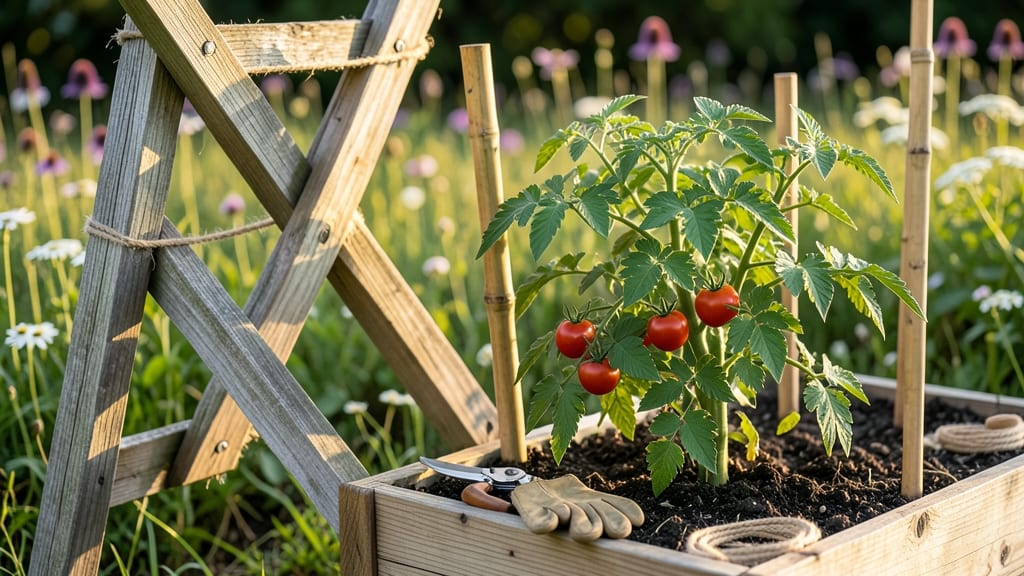
Making tomato trellises transforms floppy vines into productive, space-saving towers. 🌱 I learned the hard way—skipping supports last summer left my beefsteak tomatoes sprawled in the dirt, bruised and half-rotten. The right trellis keeps fruit clean, air circulating, and plants growing vertically instead of taking over your garden.
You don’t need fancy materials: sturdy bamboo stakes, wooden dowels, or even repurposed metal fencing work perfectly. For heirloom varieties, aim for 5-6 feet tall supports that can handle 10+ pounds of fruit. I use a simple A-frame design with crossbars for determinate tomatoes and individual stakes for indeterminates.
By mid-summer, your plants will climb like jungle vines, and you’ll harvest tomatoes that stay disease-free and sun-ripened. The best part? You’ll reclaim garden real estate for other crops—no more sacrificing space to sprawling vines. Works for containers, raised beds, or in-ground planting.
Here’s how to build one that lasts all season.
📚 In This Guide
- What you need
- Instructions
- Tips and common mistakes
- Wrapping up and next steps
What you need
- ● Support Structure: Wooden stakes (4–6 ft tall, 2–4 inches in diameter) – 2–4 per trellis
- ● OR Metal T-posts (3–5 ft tall, ½-inch thick) – 2–4 per trellis
- ● OR Sturdy bamboo poles (3–5 ft tall, 1–2 inches in diameter) – 2–4 per trellis
- ● Cross Supports: Wooden dowels (¼–½ inch in diameter, 2–4 ft long) – 4–6 per trellis
- ● OR Garden twine or jute twine (for a rustic look)
- ● OR Chicken wire (18–24 inches wide) – 1 roll per trellis
- ● Fasteners: Galvanized screws or nails (2–3 inches long) – 10–20 per trellis
- ● OR Zip ties (for metal/bamboo structures)
- ● Extras: Post-hole digger or shovel
- ● Hammer or drill
- ● Measuring tape
- ● Level (to keep trellis straight!)
- ● Staple gun (if using chicken wire)
- ● Wood stain or paint (for longevity)
- ● Concrete mix (to anchor stakes securely)
- ● Garden twine or soft ties (for securing vines)
- ● Decorative elements (e.g., lattice panels, solar lights)
How to build sturdy tomato trellises for heavy vines
Here’s my go-to method for creating supports that handle 20+ pound tomato plants without bending or breaking.
🪴 Step 1: Gather Materials for Maximum Strength
For 4 trellises, you’ll need 4 pieces of 2×4 lumber (8 feet long), 4 T-posts (5 feet tall), heavy-duty zip ties (100-count), and galvanized screws (1.5-inch). I opt for cedar or pressure-treated wood because it resists rot and lasts multiple seasons. Avoid untreated pine—it warps when wet and fails under fruit weight.
Pre-cut the 2×4s into 5-foot sections (you’ll use two per trellis). Sand any rough edges to prevent splintering, which can damage delicate tomato stems. Store materials in a dry place until assembly—moisture weakens wood before installation.
✂️ Step 2: Assemble the Trellis Frame
Place one 5-foot 2×4 vertically and attach it to a T-post using two 1.5-inch screws—one at the top and one at the bottom. The T-post should be driven 18 inches into the ground for stability. Repeat with the second 2×4 to create a double-rail frame, spacing them 6 inches apart. This design prevents vines from slipping through gaps as they grow.
For extra reinforcement, add a horizontal crossbar halfway up the frame using a shorter 2×4 piece. Secure it with screws to both vertical supports. This creates a ladder-like structure that gives vines multiple points to climb, distributing weight evenly.
🌿 Step 3: Install and Secure the Trellis
Drive the T-posts into moist, well-drained soil—sandy loam works best for anchoring. The trellis should stand upright and plumb (use a level to check). If your soil is rocky or compacted, dig a 6-inch-deep hole, add a handful of gravel for drainage, then set the post before backfilling.
Once installed, immediately attach zip ties to the vertical rails at 12-inch intervals. These will hold the tomato strings or twine later. I like to use red or black twine because it’s UV-resistant and won’t degrade in sunlight. Avoid plastic ties—they can cut into stems as vines thicken.
💧 Step 4: Add Climbing Support for Vines
Wrap twine or jute string around the trellis rails, securing it at the base with a bowline knot (this prevents slipping). Stretch the twine upward in a spiral pattern, leaving 6-inch gaps between loops. This gives vines multiple handholds as they grow, reducing strain on individual stems.
For indeterminate varieties (like Brandywine or Cherokee Purple), extend the twine all the way to the top of the trellis. Determinate types (like Roma) only need support up to 4 feet. Watch for vine tips brushing the ground—this signals it’s time to guide them upward.
☀️ Step 5: Maintain and Reinforce as Plants Grow
Check trellises weekly for loose screws or sagging wood. Tighten any wobbly connections before heavy fruit sets—a single 1-pound tomato can bend a poorly secured trellis. If vines outgrow the twine, add extra loops or a second string to prevent tangling.
After harvest, remove all plant debris and store trellises in a dry place. I coat mine with linseed oil annually to preserve the wood. This simple maintenance keeps them ready for next season’s vines.
Tips & tricks for sturdy tomato trellises
Building trellises that can handle heavy tomato vines takes a few key strategies—here's what I've learned after years of trial and error in the garden.
Material Selection Matters: Cedar and pressure-treated lumber are your best bets because they resist rot and warping, especially in moist soil conditions. I've ruined three trellises using untreated pine that swelled after heavy rains. If you must use pine, seal it with exterior-grade paint or waterproofing sealant before installation—this simple step adds years to your trellis's lifespan.
The Double-Rail Advantage: The 6-inch spacing between your two vertical 2×4s in Step 2 creates a self-supporting structure that prevents vines from slipping through. I've seen gardeners skip this and end up with vines that tangle and break under fruit weight. Think of it like a ladder—each rail shares the load, just like how two people can carry more than one alone.
Twine Placement Technique: When wrapping twine in Step 4, create those 6-inch gaps between loops to give vines multiple points of attachment. I learned this the hard way when my first trellises had vines that grew between the twine and snapped under heavy tomatoes. The spiral pattern also creates natural handholds for vines to curl around, which reduces stem damage when you guide them upward.
Maintenance is Non-Negotiable: That weekly check in Step 5 isn't just about aesthetics—it's about preventing disaster. I've seen perfectly good trellises collapse under 20-pound tomato loads because someone ignored the sagging wood until it was too late. Keep a small toolkit handy with extra screws and zip ties for quick repairs. A 5-minute check now prevents a 5-pound tomato from becoming a 5-pound hammer on your trellis.
Pro Tips for Make Tomato Trellises
- Building trellises that can handle heavy tomato vines takes a few key strategies—here's what I've learned after years of trial and error in the garden.
- Material Selection Matters: Cedar and pressure-treated lumber are your best bets because they resist rot and warping, especially in moist soil conditions.
- The Double-Rail Advantage: The 6-inch spacing between your two vertical 2×4s in Step 2 creates a self-supporting structure that prevents vines from slipping through.
Frequently asked questions
about tomato trellises—because even the best gardeners have questions! Here are answers to the most common ones to help you grow like a pro.What’s the best material for a DIY tomato trellis?
It depends on your needs! Bamboo stakes or wooden dowels are lightweight and easy to assemble, while metal cages or PVC pipes offer durability for heavy vines. For budget-friendly options, repurposed fencing or sturdy branches work too. Choose based on your garden size and tomato variety!
When should I set up tomato trellises?
Install trellises as soon as seedlings are transplanted (4–6 weeks after sowing). For indeterminate tomatoes (like Roma or Cherry), add support early—they grow fast! For determinate types (like Bush Early Girl), wait until vines reach 12–18 inches. Pro tip: Bury stakes 6–8 inches deep for stability.
Can I use tomato cages instead of trellises?
Yes, but with caveats! Cages are convenient but often too flimsy for heavy fruit or windy conditions. If using them, opt for heavy-duty wire cages (5+ feet tall) and reinforce with stakes. For sprawling varieties, a combination of cages + string trellis works best. Think of cages as a shortcut—not a permanent fix.
How do I keep pests away from my trellised tomatoes?
Prevent pests with these tricks:
- Prune regularly to improve airflow (pests love crowded vines).
- Use row covers early in the season to block insects.
- Apply neem oil or companion plants (like basil or marigolds) to deter pests.
- Check leaves daily for early signs of aphids or hornworms.
What if my trellis collapses under the weight of tomatoes?
Don’t panic! Reinforce it by:
- Adding extra stakes or cross-bracing for support.
- Tying vines gently but securely with soft plant ties (avoid wire!).
- Harvesting ripe tomatoes frequently to reduce weight.
- For extreme cases, switch to a freestanding A-frame trellis or cattle panel arch.
Wrapping up and next steps
Building your own tomato trellis is a simple yet rewarding way to maximize your garden’s potential! With just a few materials and a little creativity, you can create sturdy supports that help your tomato plants thrive—producing healthier vines, better air circulation, and bigger, tastier fruit. 🌱
Now that you’re equipped with the know-how, why not take the next step? Start small with a single trellis, experiment with different designs, or even turn it into a fun DIY project for the whole family. Your garden—and your tomatoes—will thank you!