
Companion Plants
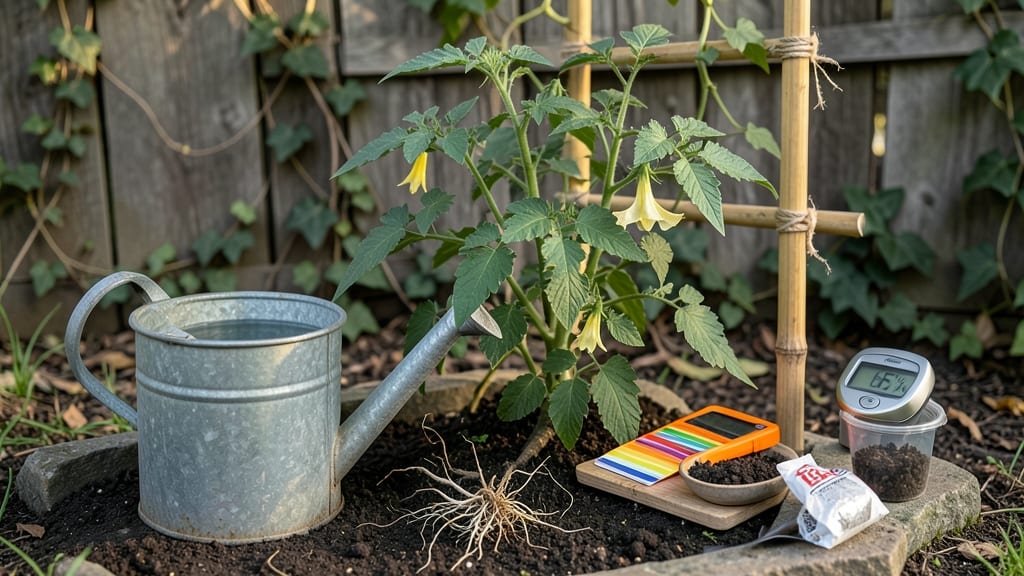
Why aren’t my tomato plants growing? They’re throwing a leafy party while refusing to produce fruit—sound familiar? 🍅 I’ve spent years watching my own vines do the same, and the culprits are usually hiding in plain sight: too much nitrogen, not enough sunlight, or even sneaky pests sucking the life out of your plants before they can set fruit.
The first step is diagnosing the real issue: check your soil for that telltale green, leafy growth (a nitrogen overdose) or inspect stems for tiny webs or holes (pests). Most gardeners fix the wrong problem first—like adding more water when the plant actually needs less.
A simple soil test or quick leaf inspection can save you weeks of frustration.
Once you pinpoint the issue, the fixes are straightforward: balance your fertilizer, prune for better airflow, or introduce beneficial insects. I’ve gone from all-leaf, no-fruit disasters to baskets of ripe tomatoes by addressing just one of these common fixes. The key is patience—tomato plants bounce back faster than you think.
This works for container gardens, raised beds, or in-ground plots—no matter your setup, the same principles apply. Let’s turn those leafy vines into fruit machines by tackling the real roadblocks, one at a time.
Why it happens
H2: The Real Culprits Behind Stalled Growth
If your tomato plants are throwing a leafy but fruitless tantrum, don’t panic—you’re not alone. 🌱😅 The issue usually boils down to a mix of environmental stress, nutritional gaps, or even sneaky pests playing hide-and-seek.
Let’s break down the top scientific reasons your plants are all leaves and no love (for your salsa dreams).
🌡️ Temperature & Heat Stress
Tomatoes are warm-weather babies—they thrive between 70–85°F (21–29°C) during the day and 55–65°F (13–18°C) at night. If temps dip below 50°F (10°C) or soar above 90°F (32°C) for days, growth grinds to a halt. Here’s why:
- Cold snaps: Chilly weather slows photosynthesis (the plant’s food-making process) and can trigger blossom drop—where flowers abort before fruiting. 🌸💔
- Heatwaves: High temps cause pollination failure—tomato flowers may not open properly, or the pollen becomes sterile. Even if they do, the plant diverts energy to leaf production (shade protection) instead of fruit.
- Frost damage: Young plants or tender leaves can blacken or curl, stunting growth entirely. 🥶
Pro tip: Use row covers for early-season protection or shade cloth (30–50%) during heatwaves. Mulch also keeps roots cool.
💧 Water Woes: Too Much or Too Little
Tomatoes are thirsty divas—they need 1–2 inches of water per week (more in heat). But inconsistency is their kryptonite. Here’s how water plays villain:
- Underwatering: Leads to wilting and stunted roots, so the plant focuses on survival (leaves) over reproduction (fruit). 💧🚫
- Overwatering: Causes root rot (from Fusarium or Phytophthora fungi), which drowns the roots and halts nutrient uptake. 🌧️💀
- Inconsistent watering: Stress from dry spells followed by sudden soaking triggers blossom end rot (calcium deficiency) and cracked fruit.
Fix it: Water deeply 2–3 times per week (early morning) and use drip irrigation to avoid wetting leaves (which spreads disease).
🍽️ Nutrient Imbalances: Starving for Love
Leafy tomatoes often mean your plant is overfed with nitrogen (the "green monster" fertilizer) but starving for fruit-specific nutrients. Here’s the science:
| Nutrient | What’s Happening | Fix It With |
|---|---|---|
| Nitrogen (N) | Too much = lush leaves, no fruit. The plant prioritizes foliage over flowers/fruit. | Switch to a balanced 5-10-10 or low-N, high-P (phosphorus) fertilizer (like 3-6-6). |
| Phosphorus (P) | Critical for flower and fruit development. Deficiency = weak stems, purple leaves, no tomatoes. | Add bone meal or rock phosphate at planting. Use a tomato-specific fertilizer mid-season. |
| Potassium (K) | Helps with fruit set and disease resistance. Lack of it = weak vines, poor flavor, blossom drop. | Use wood ash or greensand. Banana peels (composted) add potassium too! |
| Calcium (Ca) | Blossom end rot = classic calcium deficiency. Also causes weak cell walls. | Apply crushed eggshells, lime, or calcium nitrate. Keep soil pH 6.0–6.8 for uptake. |
💡 Pro tip: Do a soil test before fertilizing—overdoing it can burn roots and make the problem worse!
☀️ Light Limitations: Not Enough Sun
Tomatoes are sun worshippers—they need 6–8+ hours of direct sunlight daily. Without it:
- Weak stems: Plants stretch (etiolate) toward light, becoming leggy and prone to snapping. ☀️🚫
- Fewer flowers: Low light = reduced photosynthesis = less energy for blooms.
- Poor fruit quality: Sunlight triggers lycopene (the red pigment in tomatoes), so shade = pale, tasteless tomatoes.
Fix it: Move containers to sunnier spots or prune nearby trees/shrubs. If indoors, use grow lights (12–16 hrs/day).
🐛 Pests & Diseases Sabotaging Growth
Hidden invaders can suck the life out of your tomatoes without you noticing. Watch for:
- Aphids/Whiteflies: Pierce leaves to steal sap, causing stunted growth and sticky honeydew (which attracts mold).
- Spider Mites: Tiny pests that web leaves, leading to yellowing and leaf drop.
- Fungal Diseases (Early Blight, Septoria): Dark spots on leaves = reduced photosynthesis and premature leaf death.
- Root-Knot Nematodes: Microscopic worms that gall roots, stunting water/nutrient uptake.
Combat them: Spray with neem oil (for pests) or copper fungicide (for diseases). Rotate crops yearly to break disease cycles.
🌱 Poor Soil or Container Issues
If your soil is compacted, waterlogged, or nutrient-poor, roots can’t do their job. Tomatoes need:
- Well-draining soil: Clay or heavy soil = root suff
Fix Your Tomato Plants Fast
Now that you know the culprits behind your leafy but fruitless tomato vines, let’s roll up our sleeves and get growing! 🌱🍅 Below are practical, step-by-step fixes tailored to each common issue—plus prevention tips to keep your plants thriving.
---
If your tomatoes are all leaves and no love, they’re likely starving for key nutrients or stuck in subpar soil.
#### How to Fix It: 1. 🔥 Test Your Soil Grab a soil test kit (or send a sample to your local extension office) to check pH and nutrient levels. Tomatoes thrive in slightly acidic soil (pH 6.0–6.8).
2. 🍳 Feed Them Right - Nitrogen-heavy greens? Switch to a balanced fertilizer (10-10-10 or 5-10-10) or a tomato-specific blend once flowers appear. - For blossom-end rot (calcium deficiency): Sprinkle crushed eggshells or use a calcium nitrate supplement. - Yellowing leaves? Add iron or magnesium sulfate (Epsom salt works for magnesium).
3. 👨🍳 Boost Organic Matter Mix in compost, well-rotted manure, or worm castings to improve soil structure and nutrient availability.
#### 💡 Prevention Tips: - Rotate crops—don’t plant tomatoes in the same spot yearly (depletes nutrients). - Mulch heavily (straw or grass clippings) to retain moisture and slow nutrient loss. - Avoid over-fertilizing with nitrogen after flowering—it promotes leaves, not fruit!
---
Tomatoes need 6–8 hours of direct sunlight daily. Too little? They’ll stretch and leaf out. Too much? They’ll bolt (flower too early) or scorch.
#### How to Fix It: 1. 🌡️ Adjust Sun Exposure - Shade cloth (30–50%) if your plants are wilting in intense heat (especially in hot climates). - Move containers to a sunnier spot if indoors or in partial shade.
2. 🎯 Prune Wisely - Trim suckers (side shoots) to redirect energy to fruit production. - Remove lower leaves to improve airflow and sunlight penetration.
#### 💡 Prevention Tips: - Choose the right variety—some (like ‘Solar Fire’) tolerate heat better. - Water deeply in the morning to prevent afternoon wilting from heat stress. - Use reflective mulch (like white plastic) to bounce extra light onto plants.
---
Inconsistent watering causes blossom drop, cracking, or weak growth. Tomatoes hate dry feet and soggy roots.
#### How to Fix It: 1. 🔥 Water Like a Pro - Deep watering (1–2 inches per week)—soak the soil until it’s moist 6 inches down. - Morning watering prevents fungal diseases (like blight) that thrive in damp leaves.
2. 🥘 Fix Overwatering - Let soil dry slightly between waterings (stick your finger in—if it’s wet past 2 inches, hold off). - Improve drainage with sand or perlite if planting in containers.
#### 💡 Prevention Tips: - Drip irrigation or soaker hoses deliver water directly to roots (less waste, no leaf wetness). - Mulch with straw to retain moisture and reduce evaporation. - Avoid wetting leaves when watering (use a watering wand with a nozzle).
--- Aphids, hornworms, and fungal infections sap energy from your plants, leaving them weak and fruitless.
#### How to Fix It: 1. 🔪 Pest Control - Handpick hornworms (they’re huge and easy to spot!). - Spray neem oil or insecticidal soap for aphids/whiteflies. - Introduce beneficial bugs (ladybugs, lacewings) to eat pests naturally.
2. 🍎 Disease Defense - Prune infected leaves (especially with spots or mold) and sterilize pruners with rubbing alcohol. - Copper fungicide for early blight; baking soda spray (1 tsp baking soda + 1 quart water + a drop of soap) for powdery mildew.
#### 💡 Prevention Tips: - Rotate companion plants (basil, marigolds, or nasturtiums repel pests). - Space plants 18–24 inches apart for airflow (reduces humidity = fewer diseases). - Water at the base (never overhead) to keep foliage dry.
--- Tomatoes hate extremes—below 50°F or above 90°F can stall growth.
#### How to Fix It: 1. 🌡️ Adjust for Heat - Shade cloth during heatwaves (especially for young plants). - Whitewash containers to reflect sunlight.
2. ⏰ Protect from Cold - Row covers or cold frames for early spring/fall planting. - Move potted tomatoes indoors (near a sunny window) if frost is forecasted.
#### 💡 Prevention Tips: - Choose heat-tolerant varieties (e.g., ‘Heatmaster,’ ‘Solar Fire’). - Plant in late spring after the last frost date. - Use black plastic mulch to warm soil faster in cool climates.
--- Cramped tomatoes compete for nutrients, leading to weak vines and fewer fruits.
#### How to Fix It: 1. 🔪 Prune & Thin - Remove suckers (the small shoots in the leaf axils). - Stake or cage plants to improve airflow (use tomato cages, trellises, or bamboo stakes).
2. 🌱 Repot or Transplant - If in containers, upgrade to a larger pot (5+ gallons). - Thin seedlings to 12–24 inches apart in the garden.
#### 💡 Prevention Tips: - Start with proper spacing (check seed packet guidelines). - Train vines upward to save space (especially in small gardens). - Avoid over-fertilizing—it encourages lush foliage but fewer fruits.
--- Even if conditions are perfect, poor pollination can leave you with leafy but fruitless plants.
#### How to Fix It: 1. 🐝 Hand-Pollinate - Gently shake plants in the morning (when humidity is low). - Use a small paintbrush to transfer pollen between flowers.
2. 🌿 Attract Pollinators - Plant bee-friendly flowers (basil, marigolds, borage) nearby. - Avoid pesticides that kill bees.
#### 💡 Prevention Tips: - Choose self-pollinating varieties (most heirlooms are fine, but some hybrids need help). - Avoid over-pruning—too few leaves = less pollen production.
--- 🎯 Ready to Turn Things Around? Pick the issue that matches your plants’ symptoms, follow the fixes, and watch those tomatoes start forming within weeks! For best results, combine 2–3 solutions (e.g., fertilize + prune + mulch). Happy growing! 🍅✨
Frequently asked questions
Why are my tomato plants growing leaves but no fruit?
This classic "leafy but fruitless" issue usually means your plants are getting too much nitrogen (promoting foliage) or not enough phosphorus/potassium (needed for fruit development). Check your fertilizer ratio—switch to a balanced 5-10-10 or tomato-specific blend when flowers appear. Also verify they're getting 6-8 hours of sunlight daily and proper spacing.
Can I fix my tomato plants if they're already leggy and overgrown?
Yes! Prune aggressively by removing lower leaves (up to the first flower cluster) and suckers (side shoots). Stake or cage the plants immediately to support new growth. For containers, upgrade to a 5+ gallon pot with fresh potting mix. This redirects energy to fruit production instead of excessive foliage.
How do I know if my tomato plants need more water or less?
Check soil moisture by sticking your finger 2 inches deep—if it's dry, water deeply until moisture reaches 6 inches down. Yellowing leaves at the bottom suggest overwatering, while crispy edges mean underwatering. Morning watering prevents fungal diseases while keeping roots consistently moist. Mulch helps maintain even moisture levels.
What should I do if my tomato plants suddenly stop growing after flowering?
This often signals temperature stress (below 50°F or above 90°F) or nutrient deficiency. For cold: use row covers. For heat: provide afternoon shade. Check for blossom end rot (calcium deficiency) and apply crushed eggshells or calcium nitrate. If growth halts completely, test for pests like spider mites or whiteflies that drain plant energy.
Are my tomato plants getting enough sunlight if they're indoors?
Tomatoes need 12-16 hours of light daily indoors. Place them in the sunniest window (south-facing) and supplement with grow lights (LED or fluorescent) for 14-16 hours/day. Rotate plants weekly to prevent lopsided growth. If leaves stretch toward light, you're not providing enough—upgrade to stronger lights or move to a brighter location.