
Planting
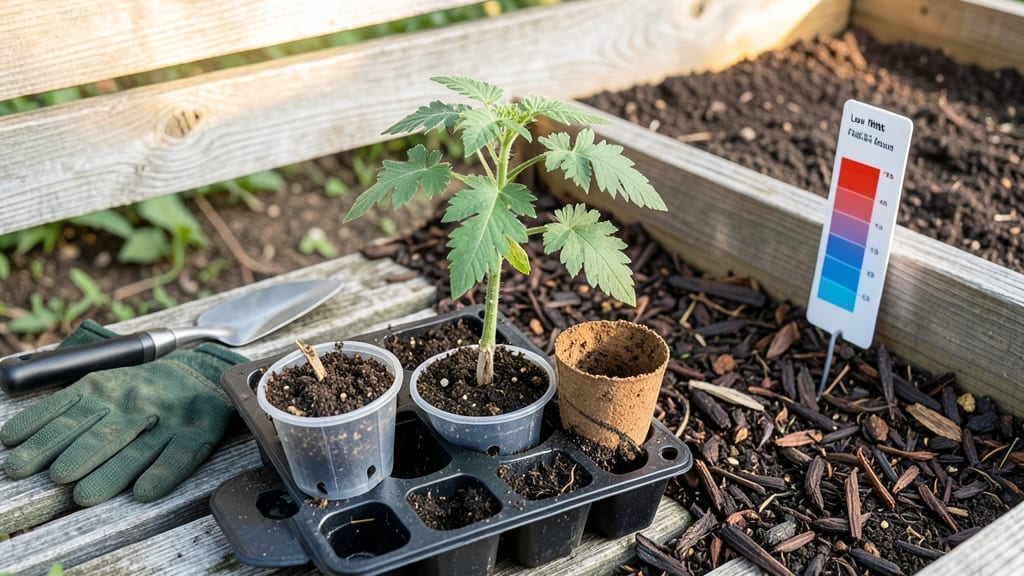
Planting beefsteak tomato seeds is where the magic of summer begins—those 6-foot vines start with just a pinch of soil and a sprinkle of patience. 🌱 I’ve learned the hard way that beefsteaks need special care: they’re slow to germinate (sometimes taking 10-14 days) and demand warmth, or they’ll just sit there like stubborn little seeds.
But once they break through, you’re on your way to slicing pound-heavy tomatoes straight from your garden. The secret to fast germination isn’t fancy—it’s consistent warmth (70-80°F) and just enough moisture to keep the soil damp, not soggy.
Too cold, and they’ll sulk; too wet, and they’ll rot before they even wake up. Start them indoors 6-8 weeks before your last frost, and use a seed-starting mix that drains like a dream. No compost-heavy soil here—beefsteaks hate soggy roots.
By the time you transplant them outside, you’ll have stocky, dark-green seedlings ready to outgrow anything from the nursery. The key? Harden them off slowly—start with 30 minutes in the shade, then gradually increase exposure.
These aren’t your average tomatoes; they need space to stretch, so give them 24-36 inches between plants when they hit the garden. Here’s the thing—beefsteaks are worth the extra effort.
One plant can feed a family for weeks, and the flavor? Nothing compares. Just watch out for overwatering (their roots hate wet feet) and give them a cage or trellis early—those vines grow fast, and they’ll take over your garden if you let them.
📚 In This Guide
- What you need
- Instructions
- Tips and common mistakes
- Wrapping up and next steps
What you need
- ● Beefsteak tomato seeds – Choose a determinate (bush) or indeterminate (vining) variety (e.g., 'Brandywine,' 'Big Beef,' or 'Cherokee Purple'). Aim for 5–10 seeds per plant.
- ● Seed-starting mix – A sterile, well-draining blend (avoid garden soil). A 10-quart bag is ideal for 10–12 seedlings.
- ● Seed trays or small pots – 2–3 inch deep with drainage holes. Use 1–2 seeds per cell or 1 seed per pot (4–6 inch pots work too!).
- ● Grow lights or a sunny windowsill – Seedlings need 12–16 hours of light/day. A full-spectrum LED grow light (or a sunny south-facing window) is perfect.
- ● Spray bottle with water – For gentle misting (avoid drowning seeds!).
- ○ Plastic wrap or humidity dome – Keeps moisture in until germination (optional but helpful!).
- ● Plant labels & marker – Track varieties (e.g., 'Early Girl' vs. 'Beefmaster').
- ○ Fertilizer (optional) – A balanced starter fertilizer (5-5-5 or 10-10-10) or fish emulsion (diluted per instructions).
- ○ Heat mat (optional) – Speeds up germination (70–80°F is ideal). A small 10x20-inch mat works for trays.
- ● Pruning shears or scissors – For transplanting or trimming later.
- ● Garden twine & stakes (future prep!) – Beefsteaks need support! 5–6 foot stakes or cages for indeterminate varieties.
- ● Timing – Start seeds 6–8 weeks before your last frost date (check your USDA zone!).
- ● Warmth – Seeds germinate best at 70–85°F. A basement or heated mat helps in cool climates.
- ● Patience – Germination takes 5–14 days (beefsteaks can be slow starters!).
Step-by-step instructions for planting beefsteak tomato seeds
Here's how to jumpstart beefsteak tomato germination for robust, early vines—no waiting weeks for sprouts.
🌱 Step 1: Prep Seeds for Faster Germination
Start by soaking your beefsteak seeds in lukewarm water for 12 hours to soften the outer coating. This cuts germination time by nearly half—you'll see sprouts in 3-5 days instead of 10-14. Use a small bowl or glass, cover loosely with a damp paper towel, and place in a warm spot like on top of the fridge.
After soaking, gently pat the seeds dry with another paper towel. This prevents mold while keeping them primed to sprout quickly. I like to label the towel with the variety and date—trust me, you'll forget which seeds you soaked if you don't. Keep them in a sealed plastic bag until planting to maintain moisture without drowning them.
🪴 Step 2: Fill Containers with Warm, Sterile Soil
Use a seed-starting mix (not garden soil) and fill your containers to within ½ inch of the rim. The mix should be warm—70-80°F is ideal—so I microwave a cup of mix for 2 minutes to heat it up before filling the pots. Press the soil down lightly to remove air pockets, then water gently until the top inch feels damp but not soggy.
Beefsteak tomatoes need room to grow, so I use 2-3 inch deep cells or small pots for each seed. If planting directly in the garden, create ¼ inch deep furrows with your finger—just enough to cradle the seeds without burying them too deeply. The key here is warmth and moisture, not depth.
💧 Step 3: Plant and Maintain Ideal Germination Conditions
Place 2-3 seeds per cell at a depth of ¼ inch, spacing them evenly. Cover lightly with a fine mist of water to settle the soil around them. Then, cover the entire container with a clear plastic dome or wrap tightly with plastic wrap to trap heat and humidity. This creates a mini greenhouse effect that speeds up germination.
Keep the soil consistently moist but never waterlogged—you'll know it's right when the surface looks damp but not glistening. Place the container in a warm spot, ideally 75-85°F, like on a seedling heat mat or near a sunny window. Check daily for condensation on the plastic; if it's foggy inside, your humidity is perfect. Within 3-5 days, you'll see the first tiny sprouts pushing through the soil.
☀️ Step 4: Provide Light Immediately After Sprouting
The moment you see first true leaves (not the initial cotyledons), remove the plastic cover and move the seedlings to a bright, sunny spot. Beefsteak tomatoes need 14-16 hours of light daily, so a south-facing window or a grow light is essential. If using a grow light, position it 2-4 inches above the seedlings and raise it as they grow to maintain that distance.
Leggy seedlings are a red flag—this means your light is too far away or not intense enough. You'll spot leggy growth as thin, stretched stems with leaves spaced far apart. To fix it, move the light closer immediately. Strong seedlings have thick stems, deep green color, and leaves that are close together. Rotate the pots daily so they grow straight and don't lean toward the light.
⏰ Step 5: Thin and Harden Off for Transplanting
Once seedlings have 2-3 sets of true leaves, thin to the strongest one per cell by snipping the weaker stems at the base with scissors. This reduces competition and gives your beefsteak tomato room to develop a strong root system. Water the remaining seedlings gently to help them recover from the thinning process.
Two weeks before your last frost date, start hardening off the seedlings by placing them outside in a sheltered spot for 1-2 hours the first day. Gradually increase their outdoor time by 1 hour daily over 10-14 days, slowly introducing them to wind and sun. This prepares them for the garden and prevents shock. Transplant on an overcast day or in the late afternoon to reduce stress, and water deeply at the base to help them establish roots quickly.
Tips & tricks for perfect beefsteak tomato germination
A few strategic moves can transform your seed-starting success rate from hit-or-miss to consistently robust. Here's what I've learned after years of growing beefsteak tomatoes from seed.
Soaking Science: The 12-hour lukewarm water soak is your secret weapon for breaking dormancy, but temperature matters. I use water that feels warm to your wrist—not hot enough to burn, but definitely above room temperature. If your kitchen runs cool, place the bowl on top of the fridge during soaking to maintain that ideal warmth. After soaking, I've found that using a paper towel to gently blot the seeds dry prevents them from sticking together in clumps—this makes planting much easier and ensures even spacing.
Soil Warmth Hack: While the instructions call for warming soil to 70-80°F, I've discovered a shortcut that works even better: place your filled containers in a warm spot for 24 hours before planting. The soil will naturally warm up from ambient heat, and you'll avoid the risk of uneven heating from microwaving. For garden soil direct planting, I create shallow furrows with a wooden skewer rather than my finger—it gives me more precise control over that critical ¼-inch depth without packing the soil too tightly.
Humidity Management: The plastic wrap creates a perfect greenhouse, but condensation is your friend here. I check daily and adjust by lifting the plastic for 10 minutes if I see excessive condensation—this prevents mold while maintaining humidity. For extra insurance, I place a small tray of water near the containers to boost moisture levels in dry climates. The moment you see sprouts, remove the plastic completely to prevent any risk of damping-off disease, which can wipe out seedlings overnight.
Light Transition Strategy: Beefsteak tomatoes need that 14-16 hours of light, but I've learned to ease them into it. On day one after removing the plastic, I place them under light for just 8 hours, then gradually increase by 2 hours daily. This prevents shock and gives their delicate stems time to strengthen. For grow lights, I use LED bulbs with a full spectrum—red and blue wavelengths are particularly important for young seedlings. The 2-4 inch distance is a good starting point, but I adjust based on leaf color: if they're pale, the light's too far; if they're dark green with purple stems, it's too close.
Pro Tips for Plant Beefsteak Tomato Seeds
- A few strategic moves can transform your seed-starting success rate from hit-or-miss to consistently robust.
- Soaking Science: The 12-hour lukewarm water soak is your secret weapon for breaking dormancy, but temperature matters.
- Soil Warmth Hack: While the instructions call for warming soil to 70-80°F, I've discovered a shortcut that works even better: place your filled containers in a warm spot for 24 hours before planting.
Frequently asked questions
Got questions about growing beefsteak tomatoes from seed?
You’re not alone! Here are answers to the most common queries—so you can plant with confidence and avoid pitfalls.
When is the best time to plant beefsteak tomato seeds indoors?
Start seeds 6–8 weeks before your last frost date (typically February–March in most U.S. zones). Beefsteaks need warmth to germinate—aim for 70–85°F (21–29°C) soil temps. Use a heat mat if your home runs cool. Pro tip: Check your frost date here!
How deep should I plant beefsteak tomato seeds?
Plant seeds ¼ inch deep in moist seed-starting mix. Press lightly to ensure contact with soil but don’t bury too deep—beefsteak seeds need light to germinate. Use a fine spray bottle to keep soil damp (not soggy) until sprouts appear (5–14 days).
Why aren’t my beefsteak tomato seeds germinating?
Common culprits: cold soil, dry conditions, or old seeds. Troubleshoot with these fixes:
- Warmth: Move trays to a sunny windowsill or use a seedling heat mat.
- Moisture: Cover trays with plastic wrap until sprouts emerge.
- Seed viability: Test a few seeds in damp paper towels—if none sprout in 10 days, try fresh seeds.
Can I plant beefsteak tomato seeds directly outside instead of indoors?
Yes, but only in warm climates (zones 8–10) or after your last frost when soil is at least 60°F (15°C). Direct-sow seeds ½ inch deep in full sun. However, indoor starts yield bigger, earlier fruit—ideal for beefsteaks’ long growing season (80–90 days).
How do I prevent leggy seedlings when growing beefsteak tomatoes?
Leggy seedlings = weak stems = floppy plants. Fix it with:
- Light: Place trays under grow lights 12–16 hours/day (sunny windowsills work too).
- Spacing: Thin seedlings to 2 inches apart to avoid competition.
- Fertilizer: Use a low-nitrogen seedling mix (like 5-10-5) to encourage sturdy growth.
What’s the best fertilizer for beefsteak tomato seedlings?
Start with a balanced fertilizer (10-10-10) when seedlings have 2–3 true leaves. Once transplanted outside, switch to a tomato-specific feed (high in phosphorus & potassium, like 5-10-10 or 3-4-6). Avoid high-nitrogen fertilizers—they boost leaves, not fruit! Pro tip: Compost tea or worm castings are great organic alternatives.
Wrapping up and next steps
Planting beefsteak tomato seeds is a rewarding journey that leads to juicy, homegrown giants—perfect for burgers, salads, or just fresh snacking! 🍅 With the right prep, patience, and a few pro tips, you’ll soon be harvesting monster-sized tomatoes that taste like summer in every bite.
The key is consistency: keep those seeds cozy, monitor moisture, and give your vines the love they crave.
Now that you’re armed with knowledge, take the next step—grab those seeds and start planting! Whether you’re a first-timer or a seasoned gardener, your beefsteak tomatoes are waiting. Happy growing! 🌱