
How To
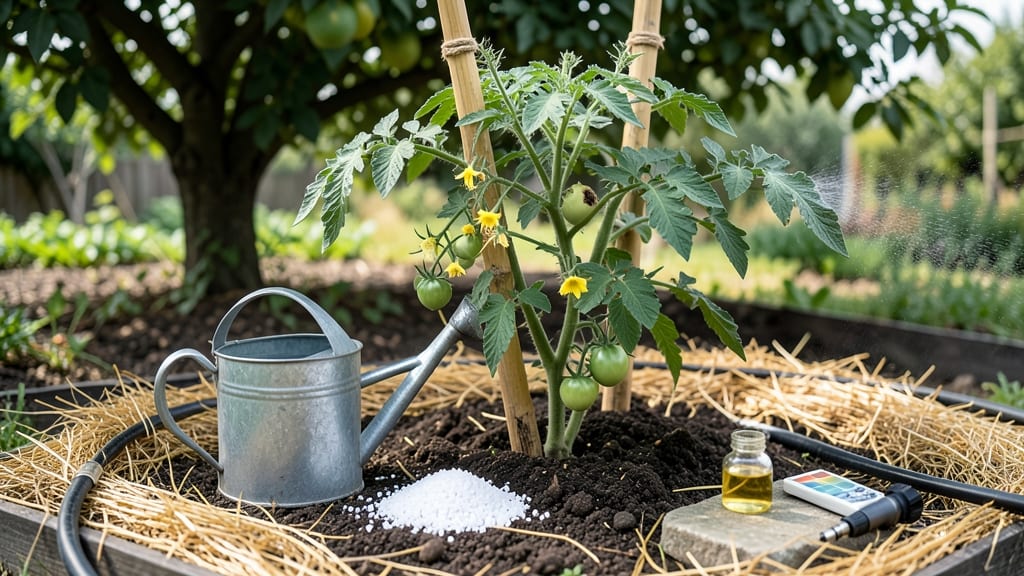
How to stop blossom end rot on tomato plants turns your tomato harvest into a sad, puckered mess—until you know the calcium boost fixes that actually work. 🌱 I’ve lost more tomatoes to this stubborn problem than I care to admit, but after years of trial and error, I’ve cracked the code on prevention and repair. The issue starts with inconsistent watering or soil calcium levels, not just "not enough water." Dark, sunken spots on the blossom end? That’s your plant screaming for better moisture management and a quick calcium fix. The good news? You don’t need fancy tools—just a few targeted tweaks to your watering routine and soil. With the right approach, you’ll see fewer (or no!) affected fruits within weeks. Your plants will keep producing plump, red tomatoes instead of shriveled rejects. And yes, this works for both container-grown and in-ground tomatoes—no exceptions. Here’s the step-by-step fix that’s saved my harvests year after year. No more wasted effort or grocery store tomato shame.
Root Causes of Blossom End Rot
Blossom end rot is a frustrating sight for any gardener—those dark, sunken patches on the bottom of your tomatoes signal a hidden struggle beneath the soil. While it might look like a disease, it’s actually a calcium deficiency disorder, triggered by a mix of environmental and physiological factors.
Let’s break down the real culprits behind this common tomato woe.
Calcium is essential for cell wall strength in developing tomatoes, and when the fruit grows faster than the plant can supply it, calcium uptake fails. Here’s why it happens:
- Rapid Fruit Growth: Tomatoes expand quickly during flowering and fruiting.
If the plant can’t absorb enough calcium from the soil to keep up, the youngest fruit (often the first to bloom) suffers first. - Poor Root Uptake: Even if calcium is present in the soil, roots may struggle to absorb it due to: - Dry Soil Conditions – Calcium moves through water in the plant.
When the soil dries out, roots can’t deliver it efficiently to the fruit. - Compacted or Poor Soil – Roots need loose, well-aerated soil to access nutrients.
Clay-heavy or waterlogged soil restricts calcium movement. - High Soil pH (Alkaline Conditions) – Calcium binds tightly to alkaline soils, making it unavailable to plant roots.
Pro Tip: 💡 Test your soil’s pH—ideal for tomatoes is 6.0–6.8. If it’s higher, amend with sulfur or peat moss to lower it.
Tomatoes are sensitive to temperature fluctuations, especially during flowering and fruiting. Here’s how heat and cold play a role:
- Hot Days + Cool Nights: Rapid temperature changes stress the plant, disrupting calcium metabolism. The fruit can’t absorb enough calcium to develop properly. - Cold Soil: When nighttime temps drop below 50°F (10°C), root activity slows, reducing calcium uptake.
Early-season tomatoes are especially vulnerable. - Heat Stress: Temperatures above 90°F (32°C) can cause blossom drop (flowers fall off) or stunt fruit development, leaving them calcium-deficient.
Pro Tip: 🌡️ Mulch your plants with straw or grass clippings to regulate soil temperature and retain moisture.
Watering isn’t just about keeping plants alive—inconsistent moisture levels are a major trigger for blossom end rot.
- Uneven Watering: Tomatoes need 1–2 inches of water per week, but fluctuations cause problems:
- Drought Stress → Roots prioritize water over calcium, starving the fruit.
- Overwatering → Leads to anaerobic soil (low oxygen), where roots can’t absorb nutrients efficiently.
- Surface Watering: Watering the leaves or fruit (instead of the soil) dilutes calcium uptake and can introduce fungal issues.
- Drip Irrigation Timing: If water is applied only during the hottest part of the day, evaporation reduces calcium availability.
Pro Tip: 💧 Water deeply at the base in the early morning (6–9 AM) to maximize root absorption.
While calcium is the star of the show, other nutrients can interfere with its uptake:
- Excess Phosphorus or Potassium: These nutrients compete with calcium for absorption. A soil test can reveal imbalances—look for a calcium-to-magnesium ratio of 4:1 or higher. - Low Organic Matter: Poor soil structure limits calcium mobility.
Amend with compost, worm castings, or bone meal (a natural calcium source). - Sodium or Chloride Buildup: Fertilizers high in these can block calcium uptake, especially in container-grown tomatoes.
Pro Tip: ✨ Use a balanced fertilizer (like 5-5-5) and side-dress with crushed eggshells or gypsum for a slow-release calcium boost.
Tomatoes under stress divert energy away from fruit development, worsening calcium deficiency:
- Too Much Nitrogen: Lush foliage at the expense of fruit? High nitrogen delays flowering and reduces calcium allocation to tomatoes.
- Transplant Shock: Moving young plants (especially from containers) can disrupt root systems, slowing calcium absorption for weeks.
- Pests or Diseases: Aphids, whiteflies, or fungal infections weaken the plant, reducing its ability to transport calcium.
Pro Tip: 💪 Hardening off seedlings (acclimating them to outdoor conditions) and avoiding heavy nitrogen feeds during fruiting can help.
Fixing Blossom End Rot Fast
Blossom end rot doesn’t have to mean the end of your tomato harvest—with the right fixes, you can turn things around and prevent future outbreaks. Below are targeted solutions based on the most common causes, plus prevention tips to keep your plants thriving. Let’s get your tomatoes back on track!
Blossom end rot thrives in inconsistent watering. Here’s how to fix it:
- 🔥 Water Deeply & Consistently - Use drip irrigation or soaker hoses to deliver water slowly and evenly at the soil level (avoid overhead sprinklers). - Aim for 1–1.5 inches of water per week, including rainfall.
Let the top inch of soil dry out between waterings to encourage deep root growth.
- 👨🍳 Adjust Your Schedule
- Water early in the morning (before 10 AM) to reduce evaporation and fungal risks.
- Avoid weekend watering binges—rot loves sudden moisture swings!
- 🌡️ Mulch to Lock in Moisture
- Spread 2–3 inches of organic mulch (straw, wood chips) around plants to keep soil evenly moist and cool.
💡 Pro Tip: If your soil feels dry just below the surface, it’s time to water—don’t wait until the top layer is bone-dry!
Calcium is the secret weapon against blossom end rot. Here’s how to replenish it:
- 🍳 Quick Fix: Calcium Supplements - Crushed eggshells: Dry and grind eggshells, then sprinkle 1–2 tablespoons around each plant.
Water it in. - Calcium nitrate or gypsum: Mix 1 tablespoon of gypsum (calcium sulfate) per gallon of water and apply as a soil drench every 2 weeks. - Lime (sparingly): If your soil is highly acidic (pH < 6.0), add pelletized lime (follow package rates) to raise pH slightly.
- 🥗 Soil Boost for Long-Term Health
- Test your soil’s calcium levels with a home kit or send a sample to your local extension office.
- Amend soil with compost or well-rotted manure to improve calcium availability naturally.
✨ Prevention Hack: Start prepping soil before planting—add compost or bone meal (high in calcium) to the planting hole.
Temperature swings stress plants and halt calcium uptake. Try these fixes:
- 🌿 Shade Cloth for Scorching Heat
- If temps hit above 90°F (32°C), drape 30–50% shade cloth over plants during peak afternoon sun.
- Use row covers for early-season cold snaps (below 50°F/10°C).
- 💧 Cool Soil Tricks
- Water more frequently in heatwaves to keep roots cool.
- Plant in raised beds or containers for better temperature control.
- 🌱 Choose Heat-Tolerant Varieties
- Swap out sensitive types for heat-resistant tomatoes like ‘Solar Fire’ or ‘Heatmaster.’
🎯 Prevention Tip: Monitor weather forecasts and adjust watering/protection plans 24–48 hours in advance.
Compacted or nutrient-poor soil strangles roots and calcium uptake. Here’s how to fix it:
- 🔪 Loosen Compacted Soil
- Gently fork or till the top 6–8 inches of soil around plants to improve aeration (do this after watering to avoid root damage).
- Mix in perlite or vermiculite (1 part to 3 parts soil) for better drainage.
- 📊 Soil Test & Amend
- Ideal pH for tomatoes: 6.2–6.8. Adjust with lime (to raise pH) or sulfur (to lower pH) if needed.
- Add compost tea or fish emulsion for a nutrient boost.
💡 Pro Tip: If you’re in a container, repot into a larger planter with fresh calcium-rich potting mix if rot persists.
Harsh chemicals can disrupt nutrient absorption. Try these alternatives:
- 🌿 Switch to Organic Pesticides
- Use neem oil, insecticidal soap, or pyrethrin-based sprays instead of synthetic pesticides.
- Hand-pick pests (like hornworms) in the early morning when they’re sluggish.
- 🐝 Encourage Beneficial Insects
- Plant basil, marigolds, or dill nearby to attract ladybugs and lacewings, which eat tomato pests.
🔥 Prevention Reminder: Always follow label rates—even organic sprays can overstress plants!
Overcrowded or stressed plants are more prone to rot. Fix it with these steps:
- ✂️ Prune Aggressively (But Strategically)
- Remove suckers (side shoots) to improve airflow and reduce competition for nutrients.
- Trim lower leaves touching the soil to prevent disease.
- 🪑 Provide Sturdy Support
- Use cages, stakes, or trellises to keep plants upright and improve air circulation.
- Weave tomato vines gently to avoid breaking stems.
🌱 Bonus: Pinch off flowers on heavily affected plants to redirect energy to root and stem health.
🎯 Final Prevention Checklist: ✅ Water deeply and consistently (drip irrigation > hose). ✅ Add calcium supplements (eggshells, gypsum, lime). ✅ Mulch to retain moisture and cool roots. ✅ Test soil pH and calcium levels annually. ✅ Avoid chemical overuse—opt for organic pest control. ✅ Prune and support plants to reduce stress.
With these fixes, your tomato plants should bounce back in 2–4 weeks, and your future harvests will stay rot-free! 🍅✨
Frequently asked questions
Can I still eat tomatoes with blossom end rot?
Yes, but cut out the affected areas! The rot only damages the bottom portion, while the rest of the tomato is perfectly safe to eat. Just slice off the dark, sunken spot before using it in salads or cooking.
How quickly will my plants recover after fixing the problem?
You’ll typically see improvement within 2-4 weeks after implementing fixes like consistent watering and calcium supplements. New fruit developing after treatment should be rot-free, while existing affected tomatoes won't recover but won't spread the issue either.
Will crushed eggshells really help prevent blossom end rot?
Eggshells are an excellent natural calcium source. After drying and grinding them into a fine powder, sprinkle 1-2 tablespoons around each plant base every few weeks. The calcium becomes available to roots over time, helping prevent future rot issues.
Can container-grown tomatoes get blossom end rot too?
Yes, container tomatoes are especially vulnerable because their root systems have less access to calcium. Use a calcium-rich potting mix and water consistently. Consider adding gypsum to your soil mix at planting time for extra protection.
Is there a way to prevent blossom end rot before it starts?
Yes! Start with well-draining soil (pH 6.2-6.8) and add compost or bone meal at planting. Use drip irrigation for consistent moisture, and mulch heavily to maintain even soil conditions. These preventative measures create ideal growing conditions that minimize rot risk.