
Planting
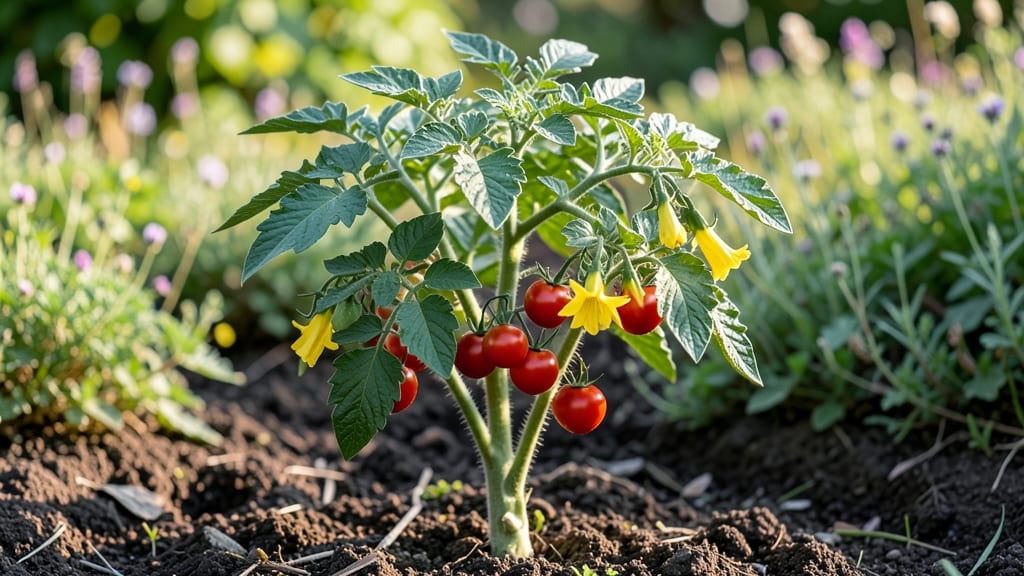
Growing Husky cherry tomatoes means sweet, cold-tolerant harvests even when your neighbors are still shivering. 🌱 I planted mine last spring in zone 4, and by July, I was drowning in 1-inch red jewels that tasted like summer itself—no matter how chilly the mornings stayed.
These tomatoes thrive where most varieties would freeze, making them the perfect choice for early starts and late finishes.
The secret to their success lies in their roots: Husky cherries handle cooler soils better than most tomatoes, which means you can set them out 2-3 weeks earlier than regular varieties.
They also stay productive longer into fall, giving you a 6-8 week extension on your harvest season. Just give them full sun, well-draining soil, and consistent moisture—no fancy tricks needed.
What you’ll love most is how effortlessly they produce. Clusters of 1-inch tomatoes form without heavy pruning, and the flavor is concentrated sweetness with just a hint of tang. Even my black thumb couldn’t kill these plants last year—they kept growing even after a late frost nipped at the leaves.
For zones 3-7, this variety is a game-changer. Start seeds indoors 6-8 weeks before last frost, transplant carefully, and watch them outperform standard tomatoes. The only real challenge? Keeping up with the harvest before birds or squirrels discover your bounty first.
📚 In This Guide
- What you need
- Instructions
- Tips and common mistakes
- Wrapping up and next steps
What you need
- ● Husky Cherry Tomato Seeds or Seedlings: 3–5 plants (for a small harvest) or 10+ (for a bountiful yield). Look for Lycopersicon esculentum 'Husky Cherry' varieties.
- ● Well-Draining Potting Mix: 5–10 gallons (for containers) or enrich your garden soil with compost (aim for 2–3 inches mixed into the top 12 inches of soil).
- ● Fertilizer: Balanced 10-10-10 fertilizer (1 tbsp per plant at planting).
- ● Slow-release tomato-specific fertilizer (follow package instructions for feeding schedule).
- ● Support Structures: Cages (5–6 ft tall) or stakes (6 ft long) for indeterminate varieties.
- ○ Trellis or tomato clips (optional but helpful for air circulation).
- ● Garden Trowel or Transplant Spade (for planting seeds/seedlings).
- ● Watering Can or Hose with Adjustable Nozzle (gentle watering prevents soil erosion).
- ● Pruning Shears (to remove suckers and dead leaves).
- ● Mulch (Straw or Shredded Leaves) (2–3 inches to retain moisture and suppress weeds).
- ● Gloves & Sun Hat (for comfort during planting/harvesting).
- ● Row Covers or Frost Blankets (for early/late-season protection in Zones 3–4).
- ● Drip Irrigation System (to keep soil consistently moist).
- ● Epsom Salt (1 tbsp per gallon of water, sprayed on leaves for magnesium boost).
- ● Beneficial Insects (Ladybugs or Lacewings) (to deter pests naturally).
Step-by-Step guide to growing Husky cherry tomatoes in cold climates
Cold-hardy Husky cherry tomatoes love crisp mornings and cooler nights—here's how to coax them into producing sweet fruit even when temperatures dip.
🌱 Step 1: Start Seeds Indoors 6-8 Weeks Before Last Frost
Fill seed trays with sterile seed-starting mix and plant Husky cherry seeds ¼ inch deep. These tomatoes germinate best at 75-85°F, so use a seedling heat mat if your home runs cooler. Keep the soil consistently moist but never soggy—you'll know it's right when the surface feels like a damp sponge.
Place trays under grow lights 2-3 inches above seedlings for 14-16 hours daily. Without enough light, seedlings stretch toward windows, creating weak stems that can't support heavy cherry tomatoes. You'll see strong seedlings with dark green leaves and thick stems within 10-14 days.
🪴 Step 2: Harden Off and Transplant After All Frost Risk Passes
Two weeks before your last frost date, move seedlings outdoors for 1-2 hours daily, gradually increasing exposure. Start with shade and add direct sun over 7-10 days. Husky cherries tolerate cooler soil better than most tomatoes, but avoid transplanting until nighttime temperatures stay above 50°F.
Choose a sunny spot with 6-8 hours of direct sun and well-draining soil. Bury stems slightly deeper than in containers—this encourages stronger root systems. Space plants 18-24 inches apart in rows 24-30 inches apart to allow airflow and prevent disease.
☀️ Step 3: Support Plants and Provide Consistent Care
Install cages or stakes at transplant time—Husky cherries grow 4-5 feet tall and need support. Weave vines through cages as they grow to prevent breakage. Water deeply 1-2 times per week, aiming for 1 inch of water per week. Let the top 2 inches of soil dry between waterings to prevent blossom-end rot.
Fertilize with balanced organic fertilizer at planting and again when flowers appear. Too much nitrogen makes plants leafy but fruitless. You'll know your care is working when you see compact clusters of yellow flowers followed by bright red cherries within 60-70 days of transplanting.
✂️ Step 4: Prune and Harvest for Maximum Yield
Pinch off suckers (shoots in leaf axils) to direct energy to fruit production. Remove only those growing between main stems and branches—leave suckers that grow upward. Prune lower leaves when plants reach 3 feet tall to improve airflow and reduce disease risk.
Harvest cherries when they're fully colored and slightly soft to touch. Pick consistently to encourage more production. Store in the fridge for up to 2 weeks or use immediately in salads, sauces, or fresh eating. You'll get 10-20 pounds per plant in a season with proper care.
Tips & tricks for growing cold-hardy Husky cherry tomatoes
These practical strategies will help you coax maximum production from your Husky cherry tomato plants, even in challenging climates.
Lighting Strategy: The 14-16 hours of daily grow light in Step 1 is non-negotiable for strong seedlings. I use a simple LED grow light on a timer—it's more energy-efficient than fluorescent bulbs and provides the full spectrum Husky cherries need. Place it just 2-3 inches above the seedlings to prevent leggy growth. If you notice seedlings stretching toward the light, lower it immediately or increase light duration to 16 hours.
Temperature Secret: While the ideal germination temperature is 75-85°F, I've found that Husky cherries actually tolerate cooler nighttime temperatures better than most varieties once established. This cold hardiness is why they thrive in Zones 3-7! For better flavor, let nighttime temps drop to 50°F or above after transplanting—this triggers natural sweetness development. Just avoid transplanting until you're certain frost risk has passed.
Support System: Install those cages or stakes at transplant time—don't wait until plants are lush and heavy! Husky cherries can reach 4-5 feet tall, and their fruit clusters can weigh down stems quickly. I use sturdy 5-foot tomato cages buried halfway into the soil for stability. For windy areas, add a second stake tied to the main stem for extra support. Weave vines through the cage as they grow to prevent breakage during storms.
Watering Wisdom: The 1-2 inches of water per week guideline works, but timing matters more than total volume. Water deeply in the morning so foliage has time to dry before evening—this prevents fungal diseases like early blight. Let the top 2 inches of soil dry between waterings to prevent blossom-end rot, but never let the soil become bone-dry. Mulch with straw to maintain even moisture levels and reduce watering frequency by 20-30%.
Pro Tips for Husky Cherry Tomato Plant
- These practical strategies will help you coax maximum production from your Husky cherry tomato plants, even in challenging climates.
- Lighting Strategy: The 14-16 hours of daily grow light in Step 1 is non-negotiable for strong seedlings.
- Temperature Secret: While the ideal germination temperature is 75-85°F, I've found that Husky cherries actually tolerate cooler nighttime temperatures better than most varieties once established.
Frequently asked questions
Got questions about growing Husky Cherry Tomato plants? You’re not alone! Here are answers to the most common queries—from planting tips to troubleshooting—so you can grow these cold-hardy beauties with confidence.
How cold can Husky Cherry Tomatoes tolerate?
These tomatoes are seriously tough! They can handle light frosts down to 28°F (-2°C) and even survive brief dips to 20°F (-7°C) if protected. Start seeds indoors 6-8 weeks before your last frost for the best early harvests.
When is the best time to plant Husky Cherry Tomatoes?
For Zones 3-7, plant after the last frost date (when soil is at least 50°F/10°C). In cooler zones, opt for early spring planting or use row covers to extend the season. Transplant seedlings 18-24 inches apart for airflow.
Why aren’t my Husky Cherry Tomatoes ripening?
Common culprits include cool temps (below 55°F/13°C slows ripening), lack of sunlight (6+ hours daily), or overcrowding. Try pruning suckers, using black plastic mulch to warm soil, or harvesting green tomatoes indoors to ripen later.
Can I grow Husky Cherry Tomatoes in containers?
They thrive in 5-gallon+ pots with well-draining soil and support stakes. Use a balanced fertilizer (like 10-10-10) every 3-4 weeks and ensure pots get full sun. Dwarf varieties like ‘Tiny Tim’ are perfect for containers.
What pests should I watch for with Husky Cherry Tomatoes?
Keep an eye out for hornworms, aphids, and whiteflies. Handpick hornworms (they’re huge and easy to spot!) or spray with neem oil for aphids. Row covers can prevent early-season pests, and companion planting with basil or marigolds deters bugs naturally.
Wrapping up and next steps
Growing Husky Cherry Tomato plants is a rewarding experience, especially for gardeners in colder climates like Zones 3-7! 🌱 These cold-hardy varieties bring sweet, flavorful rewards with minimal fuss—just provide the right soil, sunlight, and a little patience.
Whether you're a beginner or a seasoned gardener, their resilience and productivity make them a must-try for any veggie patch.
Ready to harvest the joy? Start by picking your favorite Husky Cherry variety, prepping your garden bed, and planting seeds or seedlings this season. Before you know it, you’ll be savoring homegrown tomatoes straight from the vine—what’s next? Get your gloves on and dig in! 🌿